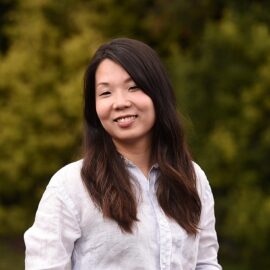
How my story begins: It was the end of 2020 during COVID, and I took the annual health check in the U.S. for the first time. My pap came back abnormal with the positive result of the HPV test. I remember I had abnormal paps from time to time in Japan, but every time I re-did the tests, it came back normal. The doctors told me it was nothing to worry about and suggested I take the pap test yearly. I never missed it, which saved my life, but it didn't prevent me from having cancer.
Life before my diagnosis: I was born and raised in Japan. I came to the U.S. at the age of 27 for work.
How I felt after diagnosis: It was entirely out of the blue as I had no symptoms I was aware of then. I regretted my ignorance and wish I could have known better when I had the abnormal pap test results.
My treatment: We hoped to have a hysterectomy only and be done with the treatment. However, my doctor decided that I should get radiation after the surgery. I kept my ovaries and had them transported out of the radiation site. Even though I only had one month between the diagnosis and the surgery, I was able to have an IVF cycle right before the surgery.
What was most difficult for me: Facing cancer during the pandemic made everything harder. Appointments took longer to schedule, and I often had to go through it alone. No one could accompany me to the hospital or visit after surgery. I struggled to sleep and balance full-time remote work while managing fear and uncertainty.
What I didn’t expect was how difficult things would feel even after treatment ended. When the hospital visits slowed down and everyone around me celebrated that I was “done,” I felt lost and emotionally exhausted. The quiet after treatment was when the weight of everything truly hit me, the fear of recurrence, the loss of fertility, and the question of how to move forward. It took time, therapy, and support from others to begin healing not just physically, but mentally as well.
What I did to help myself: I accepted all the help I could get. My husband helped me look for a therapist to whom I could talk. Some friends offered us meals and gifts, helped take care of our house, and gave us rides to the hospital. My mom flew all the way from Japan to take care of me. My managers and the HR department were very generous and supportive, allowing me to take leaves and work flexibly.
My life after cancer: I’m still learning to adapt to my “new normal.” My doctor once compared radiation to climbing a mountain —the further you go, the more lasting effects you feel. I deal with long-term side effects related to urination and bowel movements, and I continue therapy to manage anxiety about recurrence. But I’ve also regained much of my strength and rediscovered joy in everyday life.
Where I am today: I’m proud to say that I’m in a happy, peaceful place. I became a mom through surrogacy, something that once felt impossible, and I’m filled with gratitude every day. My priorities are clearer, my bonds with loved ones are stronger, and I try to live with intention and appreciation for each moment. Cancer taught me that life is fragile but also incredibly resilient, and I carry that lesson with me in everything I do.
What I want other women to know: Please get informed. Take care of yourself and your loved one. Do not miss cancer screenings.
How I will try to help others: I tell my story to prevent someone from having this terrible experience. There still are stigmas and misunderstandings around cervical cancer and HPV. Especially in my culture, we don't talk about these things. Cervivor taught me how important it is to raise your voice and advocate for yourself and the community you care about.