Hispanic Heritage Month

Did you know that Hispanic/Latina women have the highest incidence rate of cervical cancer in the U.S.? They undergo significantly fewer Pap tests than non-Hispanic white and black women and are less likely than women of other races/ethnicities to return for recommended follow-up after an abnormal Pap test.

These statistics from the American Cancer Society and Centers from Disease Control (CDC) are instructive to us at Cervivor to guide some of our educational efforts.

National Hispanic Heritage Month (celebrated Sept. 15 – Oct. 15 to correspond with the independence of many countries in Central America) honors Hispanic history, culture and contributions. Communities across the country mark the month with festivals and educational activities.

We want to halt cervical cancer in its tracks, in America and around the world. To do that most effectively, we need to be aware of the disparities in cervical cancer incidence and mortality among populations of women. 

For example, in the U.S., black women (followed by Hispanic women) have the highest death rate from cervical cancer. Mortality (death) rates of cervical cancer among Hispanic women are 50 percent higher than those of non-Hispanic women, and incidence rates among Hispanics are twice the rates of non-Hispanic women. Different populations bear different burdens of this disease, for different reasons.

Data from the American Cancer Society show that Hispanic women are less likely to get regular Pap tests. Hispanic and Latino Americans amount to an estimated 17.8% of the total U.S. population, making up the largest ethnic minority. This makes it a focus for our educational messages about cervical cancer prevention with Pap testing, HPV testing and HPV vaccination. This makes it a focus for our advocacy, education and personal Cervivor stories

What can we do as Cervivors?

  1. Familiarize yourself with Spanish-language educational resources and share them as part of your education and advocacy work. There is a downloadable Spanish-language “foto-novela” from the American Sexual Health Association, for example, fact sheets from the National Cancer Institute and cervical cancer screening patient information sheets from the American College of Obstetricians & Gynecologists. (These and many more Spanish language resources are available here.)
  2. Join Cervivor Español: Private Facebook Group For Latina Cervical Cancer Patients & Survivors.
  3. Support local and national cancer control and prevention programs and policies aimed at decreasing disparities in cervical cancer mortality. For example: health reform efforts to reduce discriminatory practices against cancer patients and survivors; policies to include no-cost cervical cancer screenings and HPV vaccination as a mandated part of insurance coverage, and initiatives to expand HPV vaccination. 
  4. Support the National Breast and Cervical Cancer Early Detection Program (NBCCEDP): The CDC’s NBCCEDP provides uninsured and underinsured women access to no-cost screening and diagnostic services, as well as a pathway to cancer treatment. Support federal and state funding for this program. Advocate for more funding to expand the reach of this lifesaving program. 
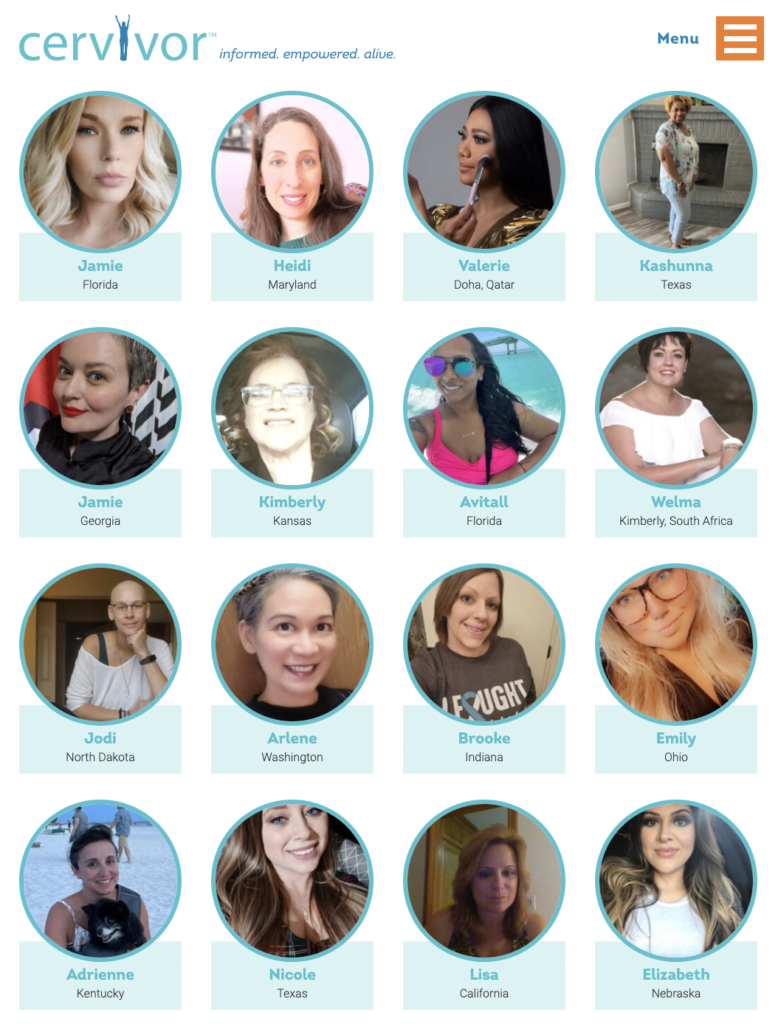
  5. Share your story. We’d love to have more representation from Latina Cervivors on our site. Submit your story here and come to one of our Cervivor Schools to learn more about bringing education and advocacy to your community. 
  6. Share Cervivor content on your social media platforms. You never know who might need this information.

We are all bonded by this disease. We are all motivated to ensure that no one else has to go through what we’ve gone through. Let’s be aware of the racial disparities in cervical cancer, address them head on, and put our support, stories and voices behind programs that can change cervical cancer statistics and save lives. 

Let’s celebrate National Hispanic Heritage Month by recognizing the power and strength of the Latino community and to doing what we can to expand education about cervical cancer screening and prevention. 

Without Patient Stories, We Walk into a Firefight with a Calculator

Storytelling is powerful. Storytelling is compelling. In this age of social media, stories have evolved from words and pages to photos, memes and videos. Unfortunately, “anti-vaccination activists have weaponized stories and weaponized misinformation” and have used their stories to undermine the broader adoption of the HPV vaccine around the world.

Dr. Noel Brewer, chair of the National HPV Vaccination Roundtable, shares why patient stories are essential to combating the anti-vaccination movement.

“Antivaccine activists rely on story telling. We scientists come back with statistics and numbers. While our statistics and facts may be true, they have little power in this arena. We walk into this firefight with a calculator.”

“In the real world, statistics and data don’t hold power, except on pages of a medical journal. What matters is people and their lived experience. Having powerful stories cuts through to what matters.”

Cervivor stories can help fight against the anti-vaccination narrative.

The power of the story in the hands of Cervivor can be used to grow cervical cancer awareness and expand HPV vaccination.

“Vaccine hesitancy is one of the global threats of public health. Legislators and policymakers increasingly seem to think vaccination is waning. That isn’t true. It’s just that the few anti-vaccine people are so loud. They have an outsized voice that is dangerous to the public’s health and well-being.” Their voice can cause people to hesitate, rather than to move forward with HPV vaccinations for their daughters and sons.

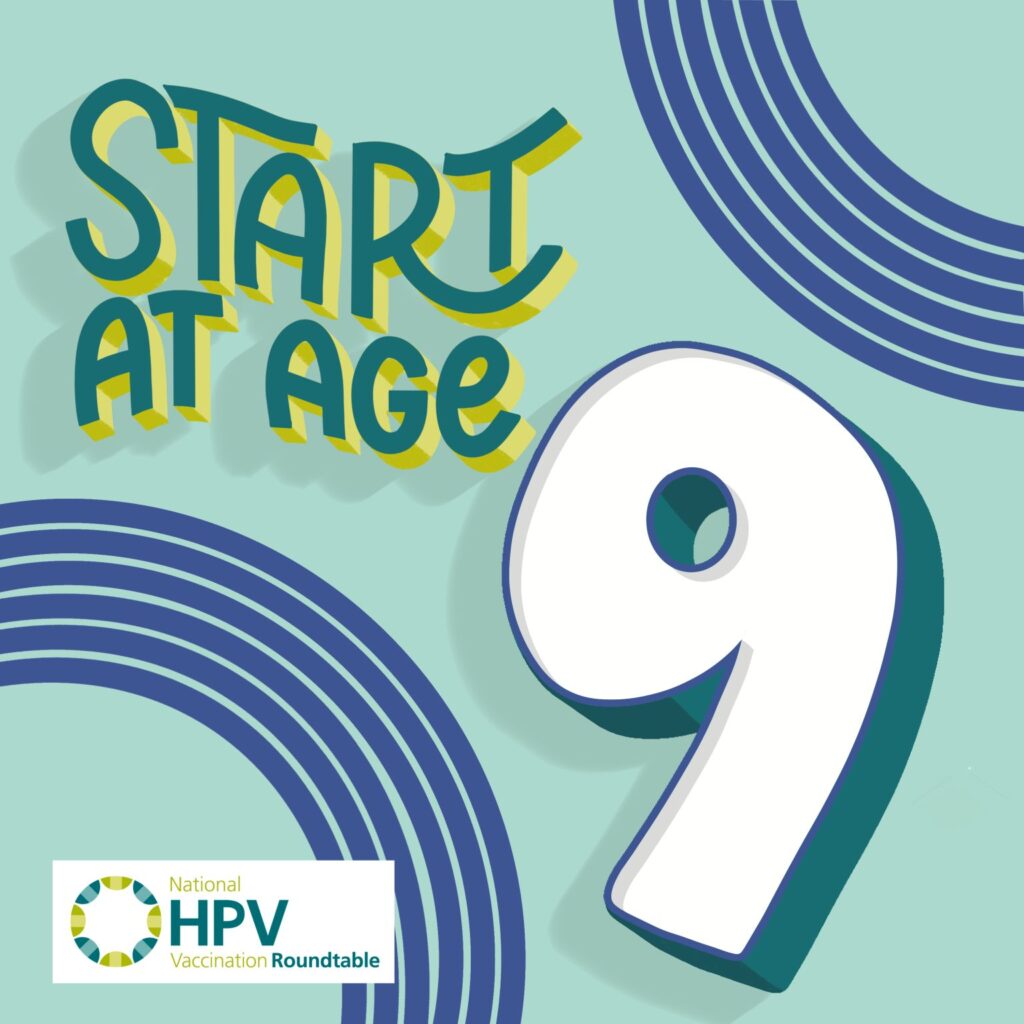
In the U.S., HPV vaccination is in fact drifting upward – around 66% of teens have had at least a dose, if not the full course, Dr. Brewer reports. “This is a big accomplishment. But our goal at the National HPV Vaccination Roundtable is to reach 80% having all the recommended doses. This vaccine will save tens of thousands of lives. It’s remarkable that people say ‘no’ to a cancer vaccine. The antivaccine movement and the stories and falsehoods they share play a role in that.”

We have to make our stories as loud and compelling as the stories of the anti-vaccine activists.

Dr. Brewer’s Advice to Cervivors: Have an Elevator Speech

“One thing I would encourage survivors to do: have the elevator speech of your story. There will be many many opportunities to tell your one minute version. It is not so often you have 20 minutes, or even five minutes. But when you introduce yourself, when you meet someone, when the opportunity arises, have your one minute story. Have a few different one minute versions of the different parts of your story. Talking about your lived experience is powerful, and you can have huge impact even in a short time frame.”

In fact, Dr. Brewer many times shares some of the one minute Cervivor Story videos on the CervivorTV Youtube channel. He and his colleagues have shown Lisa Moore’s video hundreds of times, at meetings all around the world, to focus audiences on “what really matters” when they are discussing the HPV vaccine. Lisa lost her life to cervical cancer in 2017, but her story has lived on in a hugely impactful way. All of our stories can have this impact too.

Do you have your elevator speech?

What will you share?

Tap in to Cervivor’s videos, resources and trainings to shape your story, enhance your advocacy and use your voice to end cervical cancer.

A professor of Health Behavior at the University of North Carolina Gillings School of Global Public, Dr. Noel Brewer studies health behaviors. He examines ways to increase HPV vaccine uptake, and his research led to the development of “The Announcement Approach” to train providers to communicate more effectively about HPV vaccination and other vaccines for adolescents. Dr. Brewer chairs the National HPV Vaccination Roundtable, which brings a wide cross-section of stakeholders together to raise HPV vaccination rates and prevent HPV-related cancers.