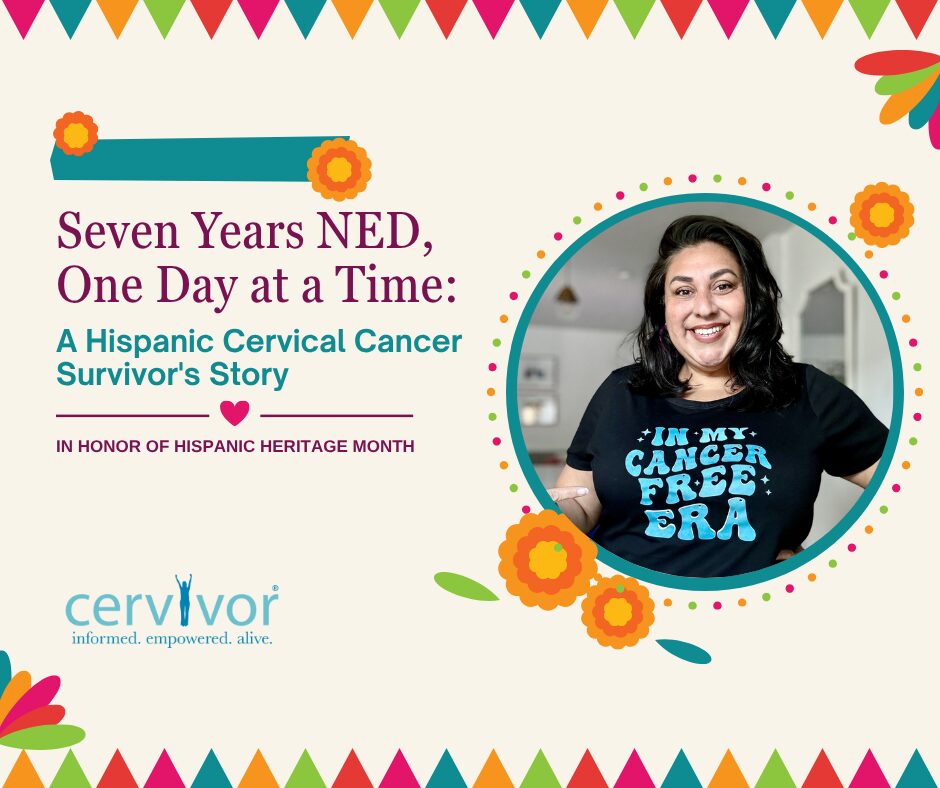
As Hispanic Heritage Month comes to a close, we’re not done highlighting the Latina voices in our Cervivor community who are breaking the silence around cervical cancer — and helping others feel less alone.
Their voices are especially important. According to the American Cancer Society, Hispanic women in the U.S. have cervical cancer rates 36% higher than White women. Yet stigma and shame surrounding cervical cancer can make it difficult to talk openly about a diagnosis, seek support, or ask questions.
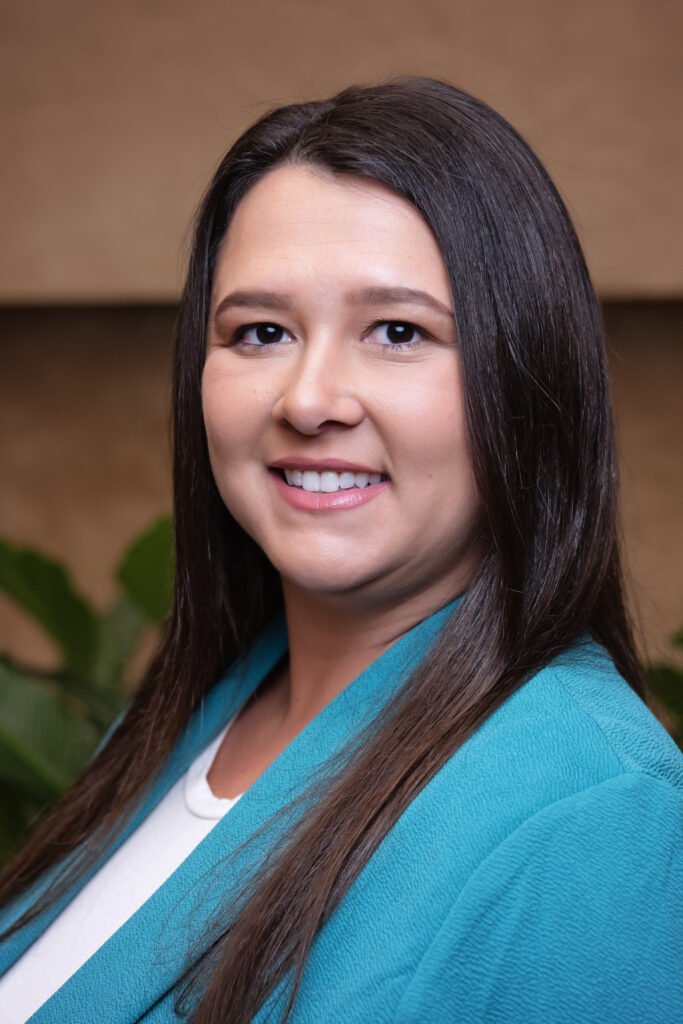
Hispanic cervical cancer survivor and Cervivor Ambassador Lisa Lakey knows what it’s like to carry that silence — and what it takes to break it. Her journey from a private diagnosis to outspoken advocacy was first featured in Patient Resource magazine. The magazine cover and Lisa’s original article are shown here.
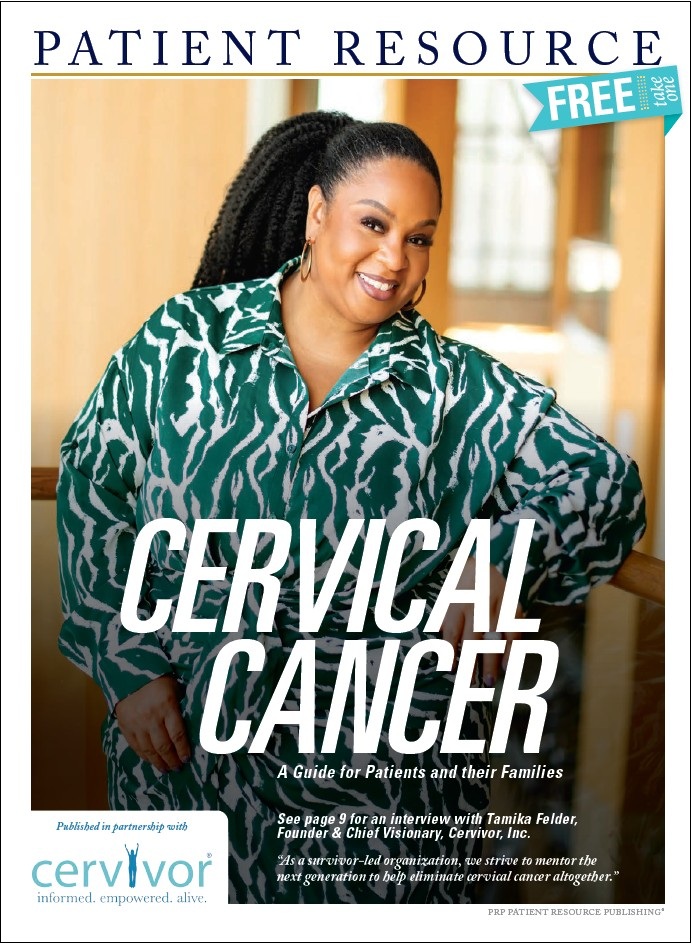
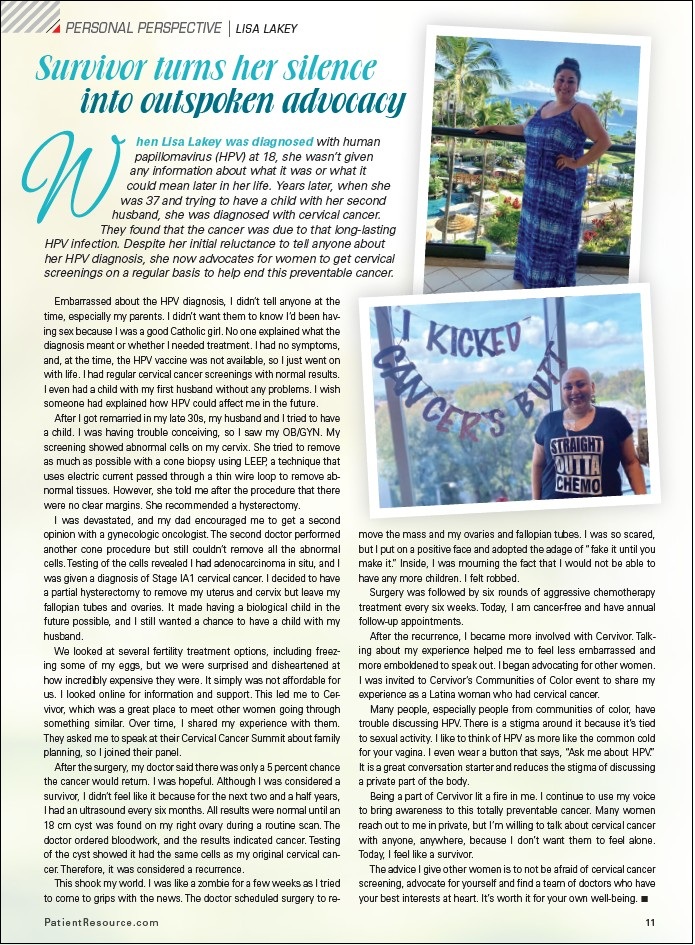
With permission from Lisa and Patient Resource, we’re republishing her story below, followed by new reflections on seven years with no evidence of disease (NED), the challenges of survivorship, and the message she hopes other Latina women and their families will hear.
Lisa’s Story in Patient Resource: “Survivor Turns Her Silence Into Outspoken Advocacy”
When Lisa Lakey was diagnosed with human papillomavirus (HPV) at 18, she wasn’t given any information about what it was or what it could mean later in her life. Years later, when she was 37 and trying to have a child with her second husband, she was diagnosed with cervical cancer. They found that the cancer was due to that long-lasting HPV infection. Despite her initial reluctance to tell anyone about her HPV diagnosis, she now advocates for women to get cervical screenings on a regular basis to help end this preventable cancer.
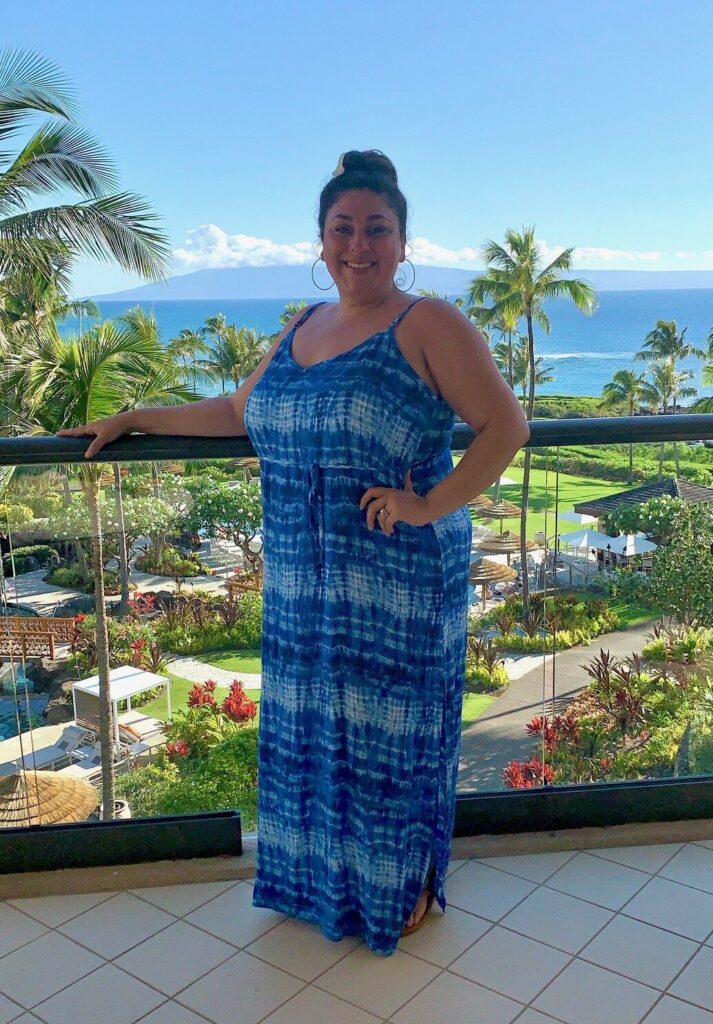
Embarrassed about the HPV diagnosis, I didn’t tell anyone at the time, especially my parents. I didn’t want them to know I’d been having sex because I was a good Catholic girl. No one explained what the diagnosis meant or whether I needed treatment. I had no symptoms, and, at the time, the HPV vaccine was not available, so I just went on with life. I had regular cervical cancer screenings with normal results. I even had a child with my first husband without any problems. I wish someone had explained how HPV could affect me in the future.
After I got remarried in my late 30s, my husband and I tried to have a child. I was having trouble conceiving, so I saw my OB/GYN. My screening showed abnormal cells on my cervix. She tried to remove as much as possible with a cone biopsy using LEEP, a technique that uses electric current passed through a thin wire loop to remove abnormal tissues. However, she told me after the procedure that there were no clear margins. She recommended a hysterectomy.
I was devastated, and my dad encouraged me to get a second opinion with a gynecologic oncologist. The second doctor performed another cone procedure but still couldn’t remove all the abnormal cells. Testing of the cells revealed I had adenocarcinoma in situ, and I was given a diagnosis of Stage IA1 cervical cancer. I decided to have a partial hysterectomy to remove my uterus and cervix but leave my fallopian tubes and ovaries. It made having a biological child in the future possible, and I still wanted a chance to have a child with my husband.
We looked at several fertility treatment options, including freezing some of my eggs, but we were surprised and disheartened at how incredibly expensive they were. It simply was not affordable for us. I looked online for information and support. This led me to Cervivor, which was a great place to meet other women going through something similar. Over time, I shared my experience with them. They asked me to speak at their Cervical Cancer Summit about family planning, so I joined their panel.
After the surgery, my doctor said there was only a 5 percent chance the cancer would return. I was hopeful. Although I was considered a survivor, I didn’t feel like it because for the next two and a half years, I had an ultrasound every six months. All results were normal until an 18 cm cyst was found on my right ovary during a routine scan. The doctor ordered bloodwork, and the results indicated cancer. Testing of the cyst showed it had the same cells as my original cervical cancer. Therefore, it was considered a recurrence.
This shook my world. I was like a zombie for a few weeks as I tried to come to grips with the news. The doctor scheduled surgery to remove the mass and my ovaries and fallopian tubes. I was so scared, but I put on a positive face and adopted the adage of “fake it until you make it.” Inside, I was mourning the fact that I would not be able to have any more children. I felt robbed.
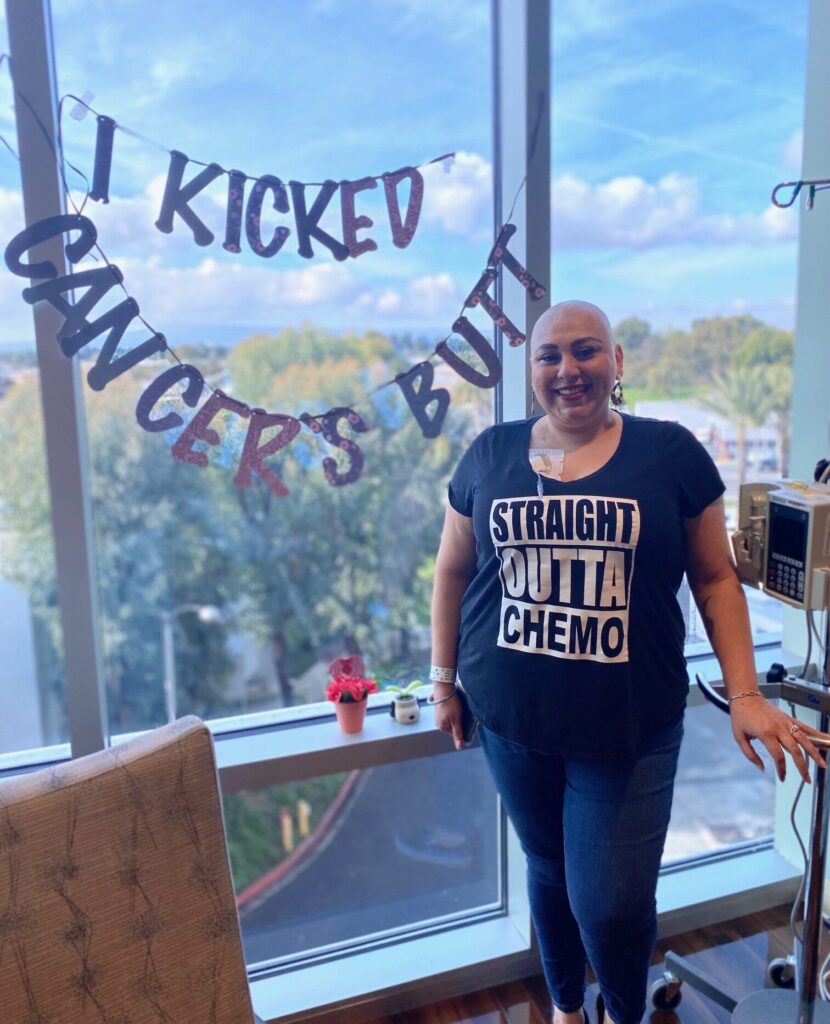
Surgery was followed by six rounds of aggressive chemotherapy treatment every six weeks. Today, I am cancer-free and have annual follow-up appointments.
After the recurrence, I became more involved with Cervivor. Talking about my experience helped me to feel less embarrassed and more emboldened to speak out. I began advocating for other women. I was invited to Cervivor’s Communities of Color event to share my experience as a Latina woman who had cervical cancer.
Many people, especially people from communities of color, have trouble discussing HPV. There is a stigma around it because it’s tied to sexual activity. I like to think of HPV as more like the common cold for your vagina. I even wear a button that says, “Ask me about HPV.” It is a great conversation starter and reduces the stigma of discussing a private part of the body.
Being a part of Cervivor lit a fire in me. I continue to use my voice to bring awareness to this totally preventable cancer. Many women reach out to me in private, but I’m willing to talk about cervical cancer with anyone, anywhere, because I don’t want them to feel alone. Today, I feel like a survivor.
The advice I give other women is to not be afraid of cervical cancer screening, advocate for yourself and find a team of doctors who have your best interests at heart. It’s worth it for your own well-being.
Reprinted with permission from Patient Resource LLC. Copyright 2026. Download or order a free copy of the Cervical Cancer issue featuring Lisa’s story.
Lisa Today: “Survivorship is a Day-by-Day Experience”
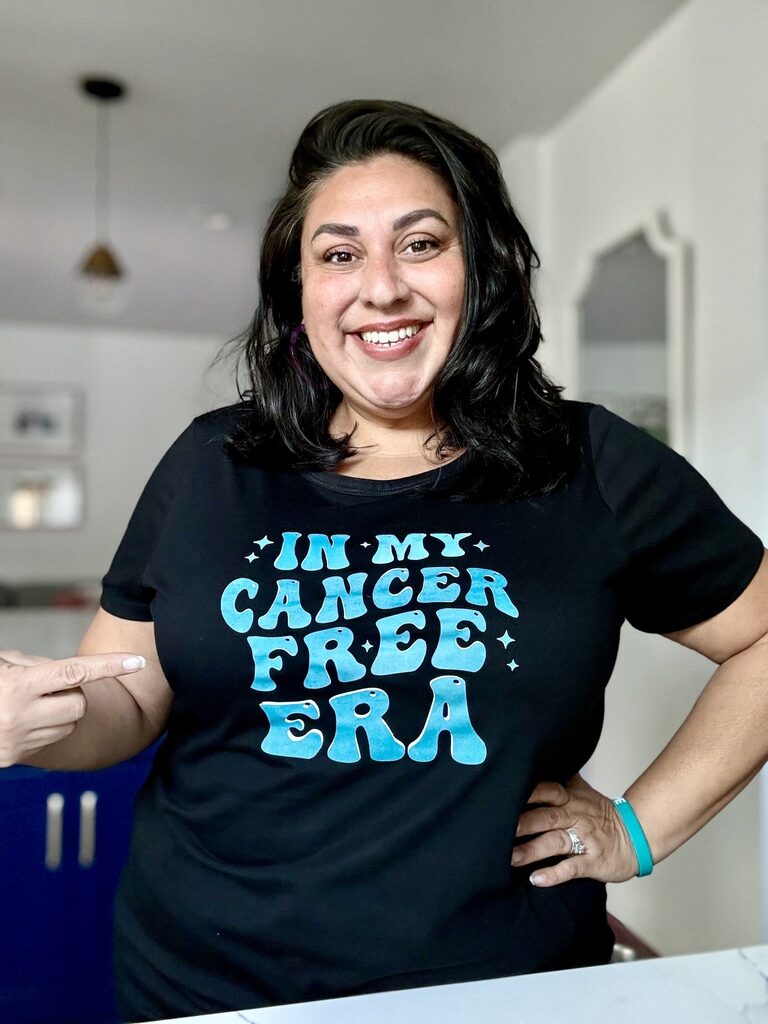
Seven years after reaching no evidence of disease (NED), Lisa continues to navigate the challenges of survivorship while helping others through education and advocacy. We caught up with her to hear how she’s doing today and what she’s learned along the way.
Q: What helps you keep going on the harder days of survivorship?
“Survivorship is literally a day-by-day experience. Some days are great, and after being NED for seven years, dare I say there are some days I don’t even think about my diagnosis. But the reality is it’s always there. Any ache or pain, you immediately think: it’s cancer. It doesn’t help that cancer seems to be all around us, so it feels like there is no escape.
For me, I’m still experiencing some of those fears with questionable scans and other issues that stem directly from my treatment, so I’m not as carefree as I’d like to be. But every day I live in the moment. I wake up and feel so blessed to be here, and I look into my family’s eyes and remember why I fight so hard not to let this disease or this experience get the best of me.
You have to be strong; you have to have faith and hope. And you have to learn not to predict the future. If you advocate for yourself through this journey, then you should also be able to TRUST your team.”
Lisa’s Message to Latino Families
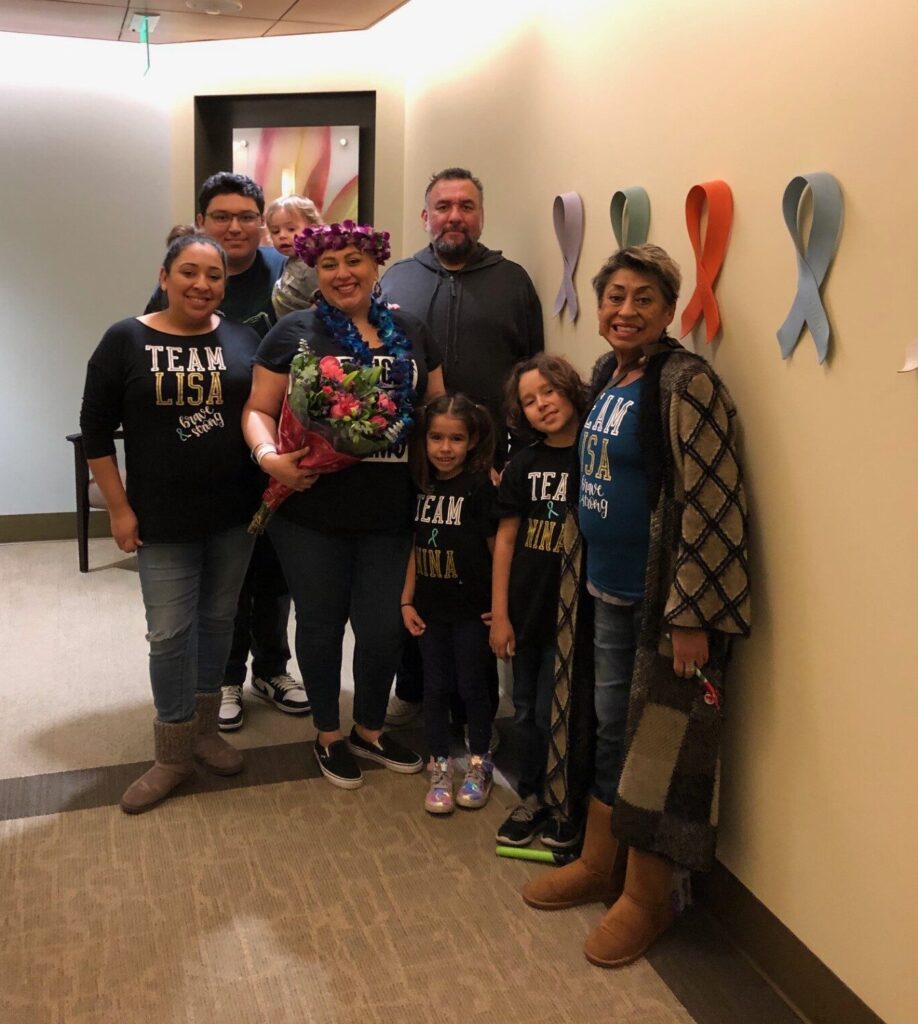
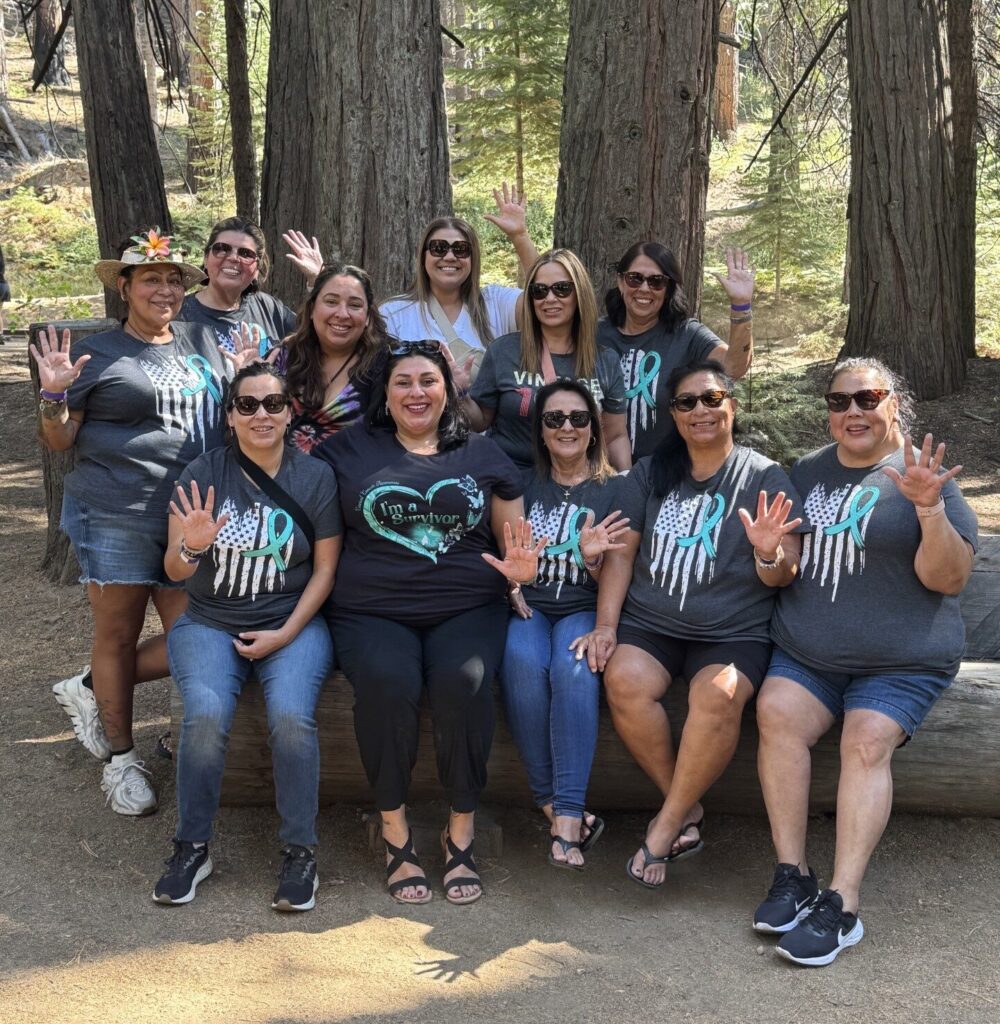
Q: As a Latina survivor, what would you tell Latino families when a loved one is diagnosed with cervical cancer?
“First and foremost, don’t be ashamed and don’t judge. Cervical cancer can feel like two diagnoses in one, but they did nothing wrong.
Second, I would let them know I am here for them for anything they need. When I was first diagnosed, I remember meeting someone with cervical cancer and weirdly being excited, because I had someone I could relate to.
If I have learned anything through Cervivor, it’s to be there for others: to share your story, to answer questions, to share my knowledge. I wish I’d had someone with firsthand experience when I was first diagnosed. Maybe I would have felt less alone and a whole lot more confident.”
Advocacy on Her Own Terms
Q: How has your advocacy evolved since your story appeared in Patient Resource?
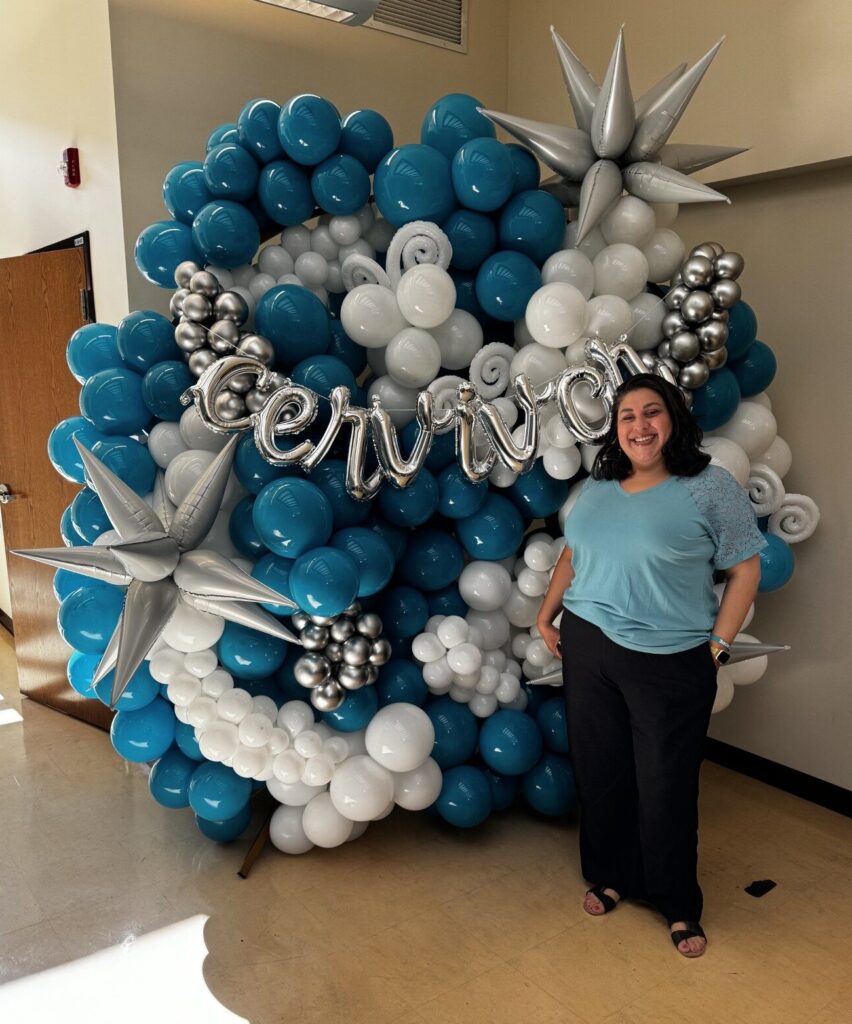
“My advocacy over the past few years has been a lot of storytelling. I’ve hit some major milestones, so it’s always good to share the success and let others know there is hope, and also what years of survivorship could look like. Many times the storytelling is one-on-one, and I’m able to share personal experiences or help calm nerves.
I’m also huge on pushing for and sharing how important the HPV vaccine is, and I consistently push for others to vaccinate themselves or their children. In addition, I belong to a Latino cohort at work, and I’ve been given a platform on a regular basis to share my story and statistics, and to answer questions.
When it comes down to it, advocacy is what you make of it, and making myself open and available has worked well for me, especially when I’m immersed in a community of people who might be a little more reluctant to talk about it.”
Make Lisa’s Story Matter
Lisa’s story is a reminder that breaking the silence can start with one conversation, whether that’s with a doctor, a sister, a coworker, or a friend who was just diagnosed. As she puts it, advocacy is what you make of it.
This Hispanic Heritage Month and beyond, we invite you to carry her message forward:
- Talk about it. Cervical cancer is nothing to be ashamed of. Open, judgment-free conversations help the women we love feel less alone.
- Protect the next generation. The HPV vaccine prevents the infections that cause most cervical cancers. Talk to your doctor about vaccination for yourself and your children.
- Get screened. Regular Pap and HPV tests can find changes early, when they’re most treatable.
- Share your story. Like Lisa, your experience could be exactly what someone else needs to hear.
- Find your community. Join Cervivor Español and connect with other Hispanic cervical cancer survivors at our next virtual Café con Leche meetup! Check our Events page for upcoming gatherings.
Thank you, Lisa, for your courage, your honesty, and for always showing up for others. We’re grateful to have you in the Cervivor family.