In Memoriam

We have to talk about the other side of cervical cancer. The side of loss.

These are just some from our community and beyond who have died from cervical cancer. Their stories not only matter, they need to be perpetually in motion. Everything we do as an organization includes their footprint — their hope for a different future.
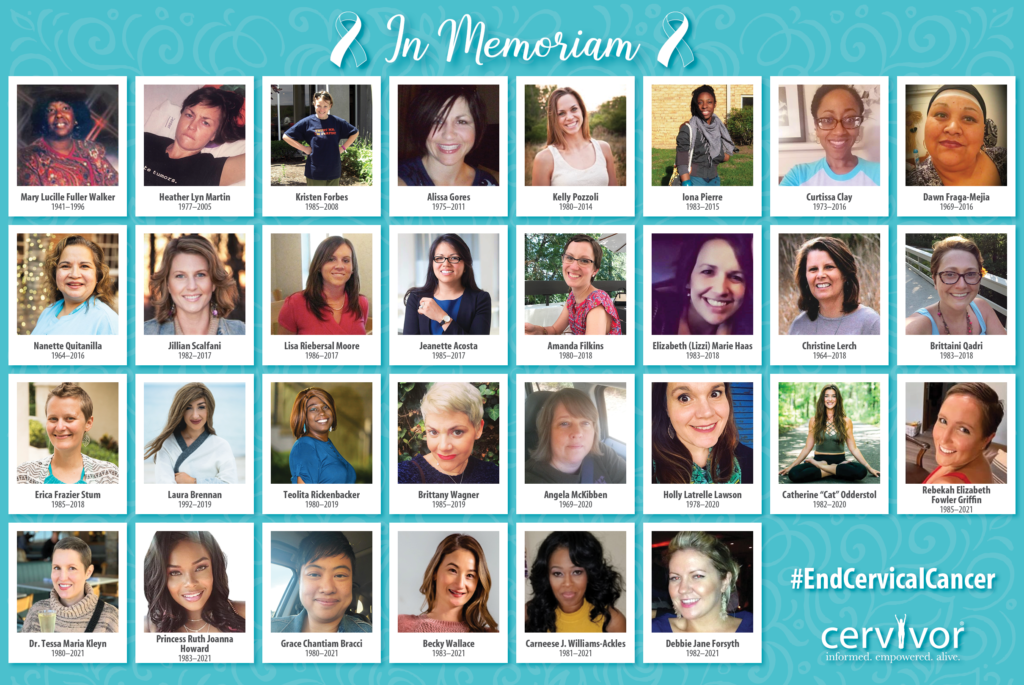
We met some of them from attending Cervivor Schools together, and others we got to know in virtual settings like Creating Connections and through our Facebook group I’m A Cervivor!. Some people come into our community seeking support from others who truly understand the burden of cervical cancer and others decide that patient advocacy is their calling.

It is truly our stories that connect us. These stories that we read and reread, often finding an intersection with so many of them. These stories continue to fuel us, inspire us and give us our wings, as Holly Lawson would often say.

Many of these women never hesitated in offering support to others. Each brought their own strength, humor and honesty to so many inside and outside of Cervivor. Like Grace, who found Cervivor in 2020 and was a huge presence within our virtual community. Many were also dedicated advocates who were shame resilient and knew they wanted to transform the narrative of cervical cancer.

Nothing about having or living with cervical cancer is easy and dying from it brings a great sadness that ripples through our community, leaving us devastated yet profoundly grateful for the experiences we shared. Together we find comfort and the strength to move forward with purpose.

The fact that our sisters, mothers, daughters, partners and friends continue to die from cervical cancer means our work and support is crucial. We will always remember those who sought connection, an understanding of their disease or the willingness to shine a light on cervical cancer.

Cervical cancer is the fourth most common cancer in women. In 2018, there were approximately 570,000 new cases of cervical cancer diagnosed globally and about 311,000 died from the disease. Cervivor wants to change these statistics.

By honoring these and so many other women, we make a promise to carry on their legacies in the work we do every day. Together. We will not stop.

Jeanette Acosta… We will not stop.

Grace Chantiam Bracci… We will not stop.

Laura Brennan… We will not stop.

Curtissa Clay… We will not stop.

Amanda Filkins… We will not stop.

Kristen Forbes… We will not stop.

Debbie Jane Forsyth… We will not stop.

Rebekah Elizabeth Fowler Griffin… We will not stop.

Dawn Fraga-Mejia… We will not stop.

Lisa Riebersal Moore… We will not stop.

Alissa Gores… We will not stop.

Elizabeth (Lizzi) Marie Haas… We will not stop.

Princess Ruth Joanna Howard… We will not stop.

Dr. Tessa Maria Klein… We will not stop.

Holly Latrelle Lawson… We will not stop.

Christine Lerch… We will not stop.

Heather Lyn Martin… We will not stop.

Angela Mckibben… We will not stop.

Catherine “Cat” Odderstol… We will not stop.

Iona Pierre… We will not stop.

Kelly Pozzoli… We will not stop.

Brittaini Qadri… We will not stop.

Nanette Quitanilla… We will not stop.

Teolita Rickenbacker… We will not stop.

Jillian Scalfani… We will not stop.

Erica Frazier Stum… We will not stop.

Brittany Wagner… We will not stop.

Mary Lucille Fuller Walker… We will not stop.

Becky Wallace… We will not stop.

Carneese J. Williams-Ackles… We will not stop.

If you would like to honor a loved one who has passed from cervical cancer, please fill out this form.
Being A Warrior Is In My Blood

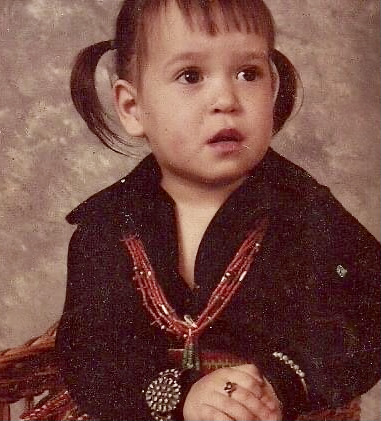
My name Kristine Bahe-Sprigler. I am half Native American and half Caucasian. When I was diagnosed with cervical cancer I had to lean on my heritage for my source of strength. It was a great reminder of the those that came before me and what it meant to have their blood run through mine.

I am from the “Zuni” Clan which is my father’s mother’s clan and “The Water Flow Together” Clan is my paternal grandfather’s clan. This is what defines me as Navajo and is determined from matrilineality.

Navajo women are the matriarch and we (all Navajo’s) introduce ourselves by clan which identifies and defines relationships between individuals and families. When you meet someone with one or more of your same clan, you become related by clan. You can also tell a region by someone’s clan.

The Navajo Nation occupies portions of Southeastern Utah, Northeastern Arizona, and Northwestern New Mexico – the capital being Window Rock, AZ.

You can find hogans on the reservation, which are primarily built from logs and mud. The door always faces East to welcome the sun each morning for wealth and good fortune. Some are used for dwellings, but others are used for ceremonial purposes and regarded as sacred.

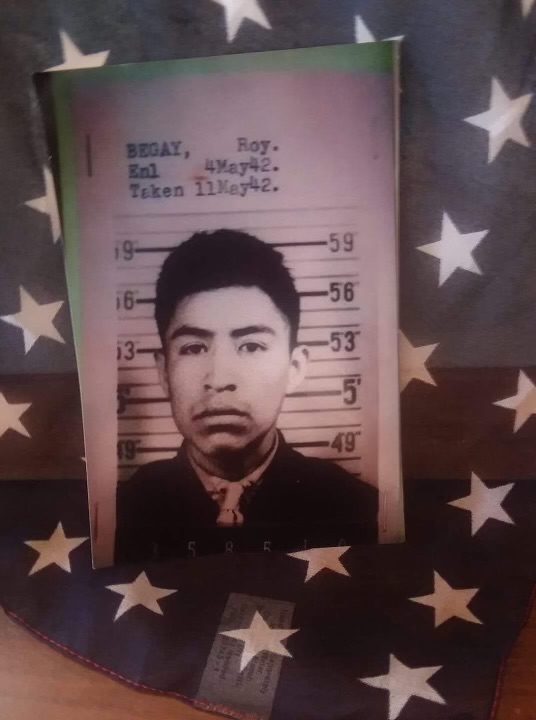
My grandfather, Roy Begay, was part of the original 29 U.S. Marines that were recruited and served as a Navajo Code Talker in World War II. He proudly served his country and is a recipient of Congressional Medal of Honor.

My mother is of Irish, English and German heritage. She comes from a very creative line. My grandfather was a musician and played in the U.S. Army band traveling around the bases and performing. He came from a very musical family. I learned to love music by watching my grandfather play while growing up. I chose to play alto sax and piano starting in the fifth grade and played in Jazz and marching bands. My grandmother was a professional dancer traveling between New York and Cuba performing with a partner until she chose to stop dancing to start a family.

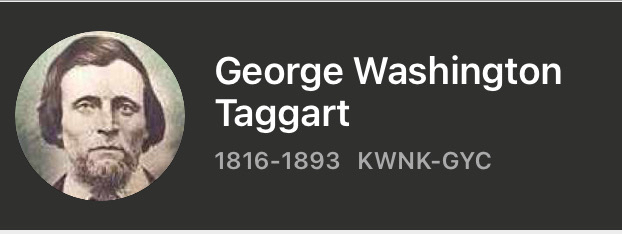
My great-great grandfather on my mothers side, George Washington Taggart, was part of the journey of the Mormon Battalion, which was comprised of about 500 Latter-Day Saints that joined the U.S. Army during the Mexican American war, which made several contributions to the settlement of the American West.

I believe my strength comes from both sides of my family. We come from a long line of warriors. I was diagnosed with stage I cervical cancer in 2012 when I was 34 years old to which I received a radical hysterectomy. The decisions leading to that were difficult and heart wrenching as I wasn’t sure our family was complete. I suffered from anxiety and depression for a few years after. Being diagnosed with cancer is difficult – it teaches you humility and vulnerability all the while showing you what strength you possess even years later.

November is Native American Heritage Month, a month dedicated to paying tribute to the ancestry and traditions of Native Americans. I would be remiss if I didn’t mention the disparities American Indian and Alaska Native women are facing with cervical cancer. According to the American Indian Cancer Foundation, American Indian and Alaska Native women are nearly twice as likely to develop cervical cancer compared to white women and four times as likely to die from it.

Those are statistics I would like to help change. Cervical cancer is preventable. I share my story to remind you to be proactive with your health. Make those uncomfortable gynecologist/prevention visits and ask about the HPV vaccination for your child(ren).

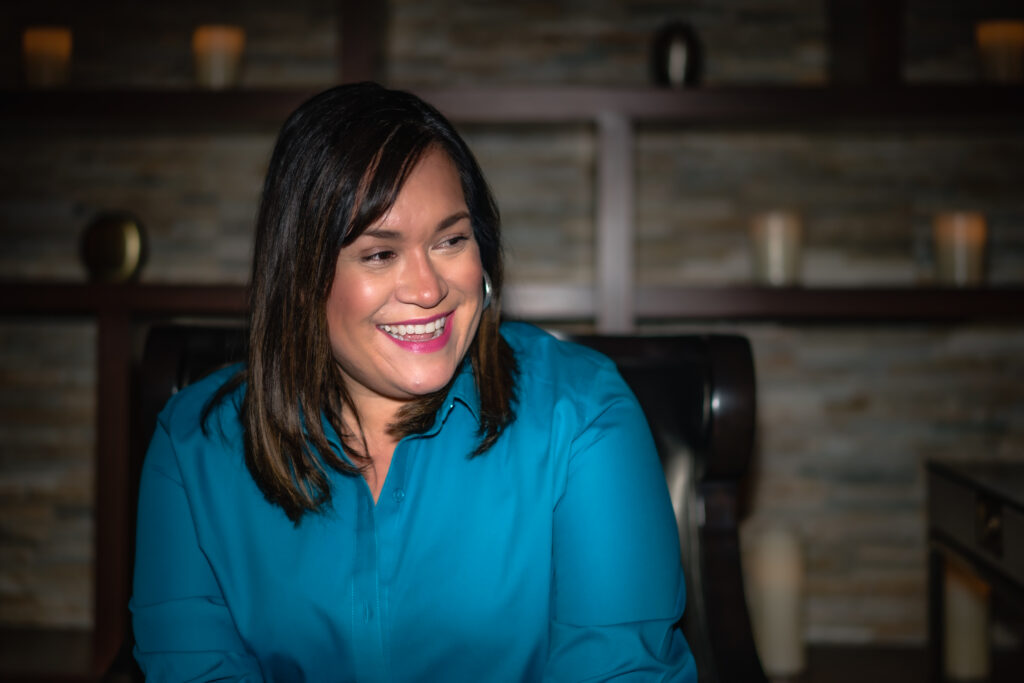
At the age of 34, Kristine was diagnosed with stage I squamous cell carcinoma. She has found healing and purpose in sharing her story and in advocacy. After her dark and lonely experience with cancer, her goal was and continues to be to empower others to be shame resilient. She became a Cervivor Ambassador after attending Cervivor School in 2016 and she is currently in her 9th year of survivorship with no evidence of disease.