Wellness After Cancer: What Healing Really Looks Like

By Cervivor Communications Director Sara Lyle-Ingersoll

When people hear the word “wellness,” they usually think of exercise, healthy eating, good sleep, managing stress, and other types of self-care. But for cancer survivors, wellness can be, well, complicated — and much more personal.

Even after treatment ends, survivors may continue navigating fatigue, pain, hormonal changes, fear of recurrence, financial stress, changes in relationships, shifts in identity, and the lasting emotional impact of a life-changing diagnosis.

Tamika Felder

That’s why wellness after cancer takes many forms. For some, it means rebuilding strength. For others, it means setting boundaries or finding a therapist. 

“Cancer brings chapters of its own — diagnosis, treatment, survivorship, and, for some, recurrence. Each asks something different of us,” says Cervivor Founder and Chief Visionary Tamika Felder. “I’ve learned that survivorship isn’t always about thriving or reaching some finish line. Sometimes, it’s simply about getting through today.”

During National Wellness Month, Cervivor is taking a closer look at what wellness after cancer really means, with cervical cancer survivors and experts sharing insights on healing, peer support, and finding your own path forward.

Wellness After Cancer Doesn’t Mean “Back to Normal”

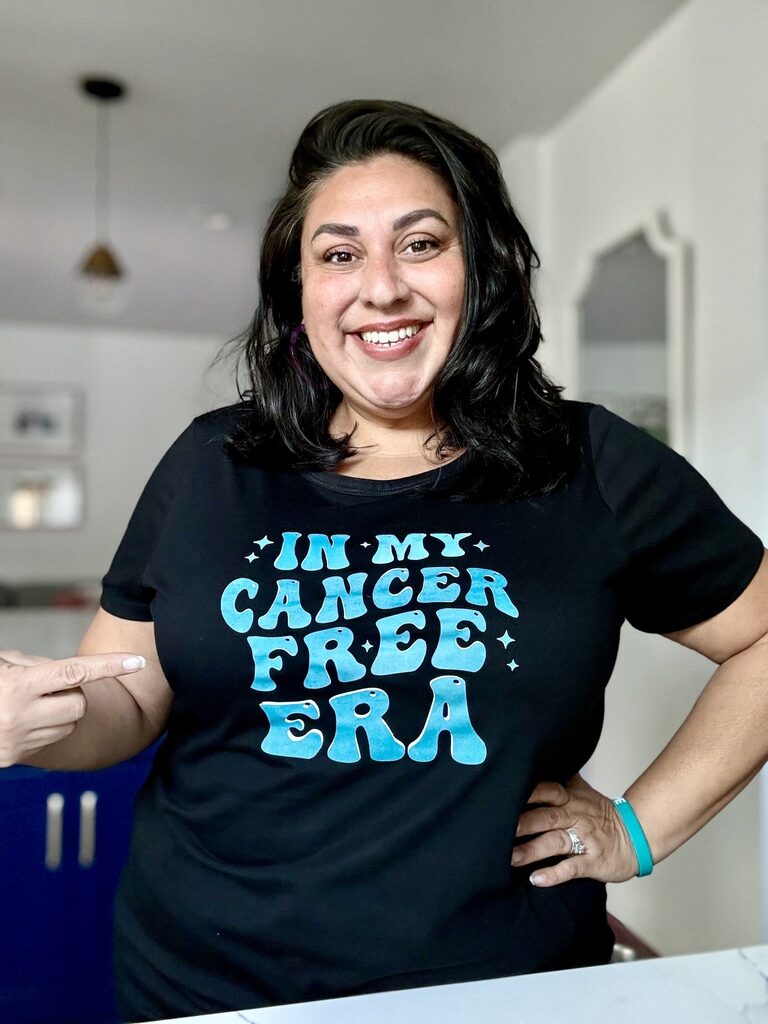
Cervical cancer survivor Patti Murillo-Casa knows exactly how complicated life after treatment can be.

“Unfortunately, many people think that once they hear the words, ‘You’re cancer-free,’ they’ll simply be able to pick up where they left off,” says Patti, who recently celebrated her 17th cancerversary. “But survivors know that’s rarely the case.”

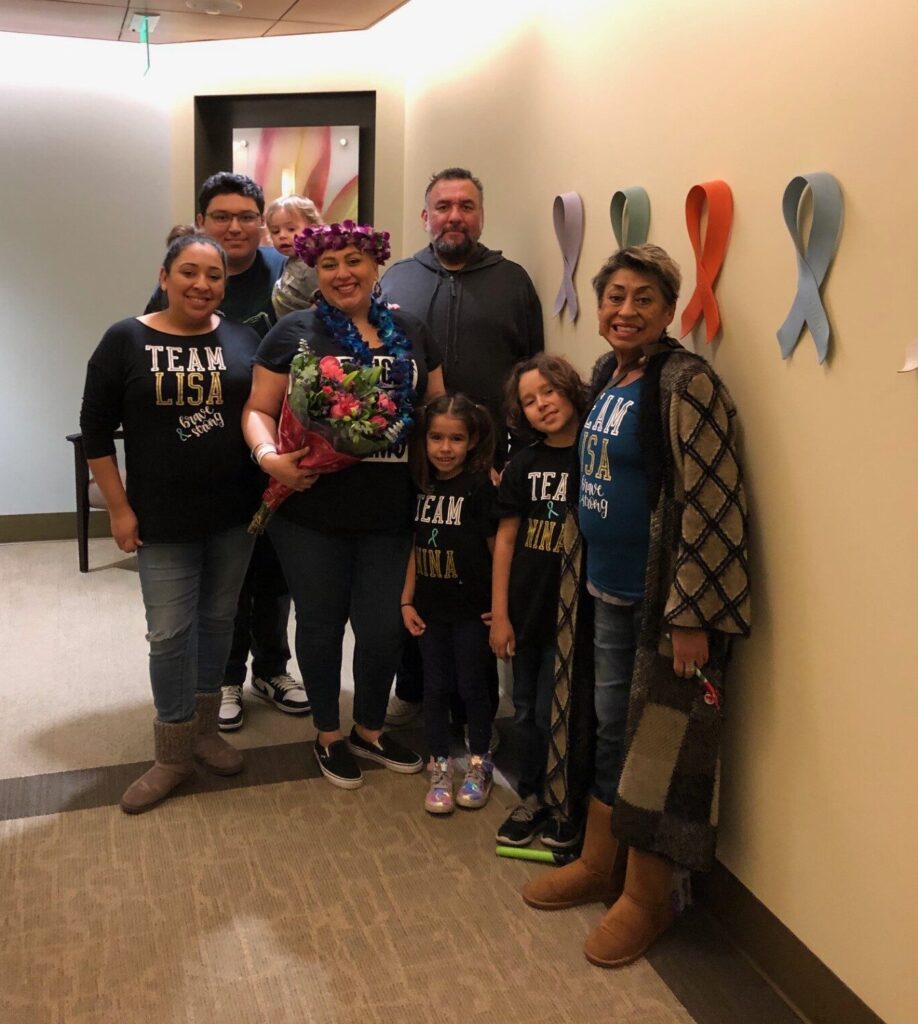
Patti remembers feeling lost after treatment. “I couldn’t find the old me, and I struggled with depression for a while,” she says. During that time, she turned to food for comfort, eventually reaching 238 pounds and developing type 2 diabetes, high cholesterol, and high blood pressure. “Coming back takes time.”

That struggle to find your footing after treatment is something cancer support professionals see often. 

“Finishing treatment is often described as a finish line, but for many people, survivorship brings a whole new set of challenges,” says Bonnie Dockham, LMSW, Executive Director of Cancer Support Community (CSC) Greater Ann Arbor, part of the broader CSC/Gilda’s Club network

Those challenges can include fear of recurrence, changes in relationships or identity, lingering side effects, and fertility concerns and financial stress — both of which can be particularly acute for adolescents and young adults with cancer — along with the question: “What does life look like now?”

There are physical reasons recovery can be complicated, too.

“Cancer treatment may end on a certain date, but recovery doesn’t necessarily end with it,” says Dr. Marcelle Pignanelli, MD, a board-certified endocrinologist at New York Endocrinology with expertise in obesity medicine, women’s health, and disorders of metabolism. 

The effects of surgery, chemotherapy, radiation, and other treatments can persist for months or years, she explains. For cervical cancer survivors, those effects may include changes in sexual and hormonal health, bowel or bladder function, bone health, and more. Pelvic radiation, for example, can damage ovarian function and lead to early menopause, with potential effects on bone density, cardiovascular and metabolic health, and quality of life.

That’s why Dr. Pignanelli encourages survivors to think of survivorship as another phase of care, not the absence of it. “The goal after cancer isn’t just survival — it’s helping you live as healthy and fully as possible,” she says. 

Wellness Looks Different for Every Survivor

So, what does wellness look like after cancer? There is no one-size-fits-all answer.

“For one person, wellness might mean reaching a physical goal, such as running a race, while for another it might mean being able to walk into their physician’s office without fear or anxiety,” Bonnie says.

Patti describes her own approach to wellness after cancer through three pillars: mind, body, and spirit. “When you work on all three together, you become stronger,” she says. “If you only focus on one, the other two suffer.”

Ana Reyes

Wellness looks different across the Cervivor community, too.

For Ana Reyes, a 2018 Cervivor School graduate and nine-year cervical cancer survivor, it means protecting her energy: “Wellness after cancer for me means giving my energy to things that bring me joy — and not feeling guilty for saying ‘no’ to things that don’t.”

Now three years NED, Emily Heitman describes wellness through everyday choices: eating more whole foods while still enjoying the “not-so-good” foods sometimes, embracing movement without making it so structured that she dreads it, reading instead of scrolling, meeting with her therapist, and recently taking up watercolor painting. 

“This journey hasn’t been easy and has come with lots of ups and downs and setbacks,” Emily says. “Taking life day by day and enjoying the small pleasures has helped.”

For Lynn Douillette, wellness exists alongside ongoing health challenges. More than six years after cervical cancer treatment, she continues to deal with radiation-related pelvic damage, neuropathy, and mobility issues. After reaching five years NED, she was also diagnosed with breast cancer. Still, she says, “I won’t give in to that ‘C’ word.” 

Progress, Not Perfection

When survivors are ready to make changes to support their health and well-being, Patti’s advice is simple: Start small.

She knows firsthand that lasting change takes time. After reaching a low point following cancer, she made what she calls a “U-turn” toward better health. Through portion control and exercise, she lost 113 pounds in 14 months.

“Nothing happens overnight, and creating new habits takes time,” she says.

That philosophy is at the heart of Survivor Slimdown, Cervivor’s wellness program, which dates to 2009, when Tamika and Cervivor Ambassadors Cindy Craddock and Pamela Akers began training for a triathlon. Cervivor relaunched the program in 2018 to help cancer survivors build healthier, more balanced lives, with Patti — now, a retired New York City police officer and Health Coach Alliance Registered Health Coach — at the helm. 

After cervical cancer, Patti struggled with depression and turned to food for comfort. Today, she draws on her own wellness journey to help other survivors through Cervivor’s Survivor Slimdown program.

These days, the program makes wellness approachable through “Daily Upgrades” — practical tips on fitness, nutrition, sleep, stress management, heart health, and more. Monthly challenges give members another way to work toward their goals together, from last month’s 20-Day Arm Challenge to this month’s 31-Day Dopamine Challenge. On August 26, Patti and Cervivor Ambassador Karla Chavez will also co-host a virtual National Wellness Month workshop exploring the three pillars of wellness.

But progress doesn’t mean perfection. When life gets in the way, Patti encourages survivors to give themselves some grace. “Missing one day doesn’t erase your progress,” she says. “Don’t fall into a cycle of guilt — just get back on track.”

Dr. Pignanelli points to another often-overlooked part of wellness: making room for it. If possible, outsourcing or delegating tasks like cleaning, grocery shopping, meal prep, or childcare can free up time and energy for exercise, medical appointments, nourishing meals, sleep, or simply rest.

“Taking something off your plate isn’t indulgent if it allows you to prioritize your health,” she says.

Connection Is Wellness, Too 

Even with loving family and friends, cancer can be an isolating experience. As Jackie Herigodt, Director of Partnerships and Engagement at Imerman Angels, explains, there is a different kind of understanding that comes from talking with someone who has actually been there.

Jackie Herigodt

“Someone who has been through cancer can say, ‘I understand,’ and truly mean it,” she says.

Co-founded by cancer survivor Jonny Imerman, Imerman Angels connects cancer fighters, survivors, previvors, and caregivers with trained Mentor Angels who have faced similar experiences and are discouraged from giving advice. “Sometimes the most meaningful support isn’t someone telling you what to do,” Jackie says. “It’s having someone who can sit in that uncertainty with you, listen without judgment, and remind you, ‘You don’t have to figure this out alone.’”

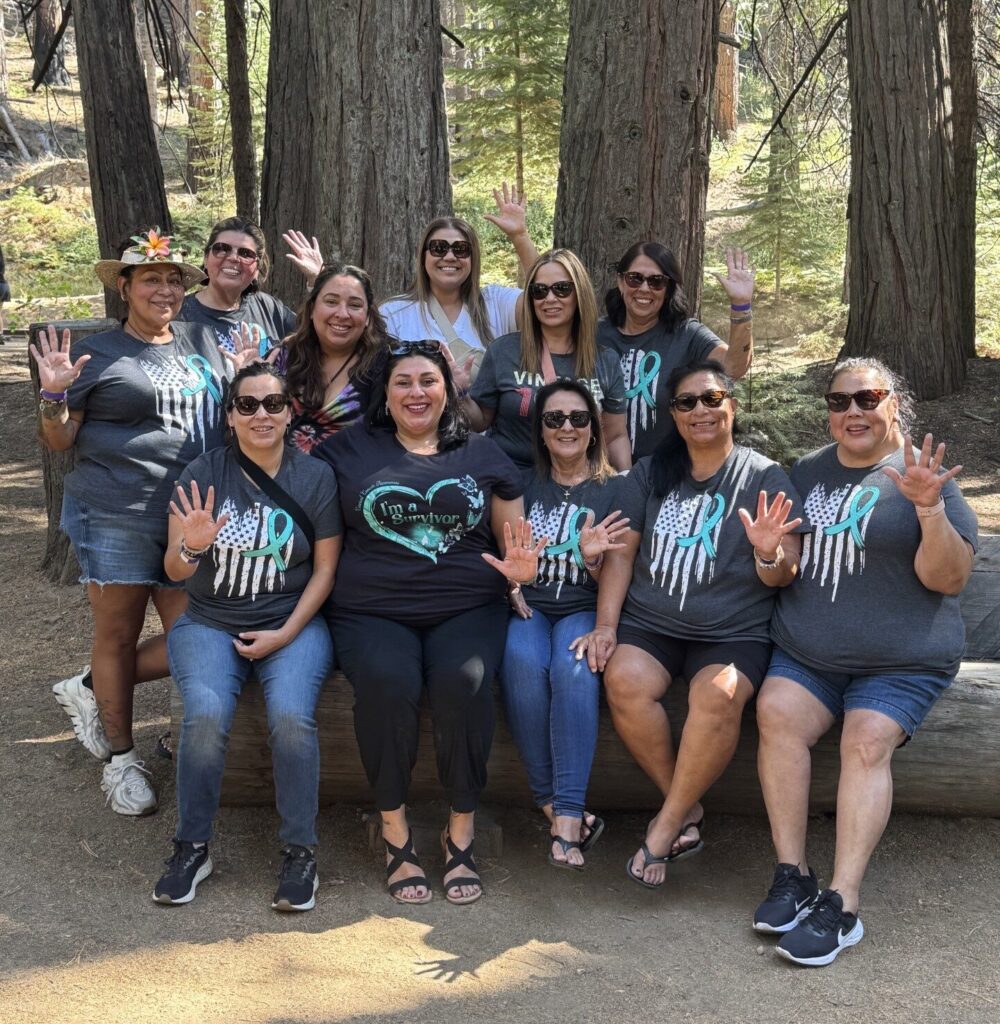
That exchange of lived experience can also help survivors navigate wellness after cancer. Cervivor community member Lynn says she has learned much of what she knows about survivorship from other survivors. “I’ve learned everything I know from this group and a nephrostomy group,” she says of Cervivor’s private Facebook group. “They’re both filled with great people.”

For some survivors, supporting others can become meaningful in its own right. Cervivor Ambassador Lorie Wallace, who has served as a mentor and cancer support coach through Cervivor and Imerman Angels, has found purpose in helping others. “Through advocacy, I’ve reclaimed my purpose,” she has shared. “This work has been as healing for me as it has been impactful for others.”

Hear more about the power of peer support from Lorie and Jackie on the Cervivor Podcast.

But community isn’t only about navigating what’s difficult. Sometimes it’s a Friday Dance GIF Battle, a birthday celebration, or marking a cancerversary together. Joy matters and laughter really is good medicine.

Support for Wellness After Cancer

Unfortunately, there is no checklist for doing survivorship correctly. Fortunately, you don’t have to do it alone. Whether you’re looking for healthier habits, trusted information, peer connection, or simply a place where people understand, support is available within Cervivor and beyond.

In addition to the organizations above, the American Cancer Society provides guidance on survivorship programs and clinics, while Triage Cancer offers free resources to help navigate practical and legal concerns, including finances, health insurance, employment, disability, and more.

Additional Cervivor resources include:

As Bonnie encourages survivors, asking for support “isn’t a sign of weakness — it’s an act of courage and strength.”

National Wellness Month is a reminder that small, intentional acts of self-care can add up over time. For cancer survivors, there is no perfect path to wellness and no finish line. Start where you are, give yourself grace, and know that you don’t have to navigate it alone.

About the Author

SARA LYLE-INGERSOLL is a content and communications expert dedicated to transforming lived experiences into impactful stories. Her award-winning magazine feature about a close friend who died from cervical cancer in their twenties led her to Cervivor, and solidified her commitment to cervical cancer awareness and prevention. Now, as Cervivor’s Communications Director, Sara brings this mission full circle.

Building Trust in HPV Cancer Prevention — One Conversation at a Time

By Cervivor Communications Director Sara Lyle-Ingersoll

Twenty years ago, the HPV vaccine changed the future of cancer prevention. It now protects against six HPV-related cancers: cervical, anal, vulvar, vaginal, penile, and oropharyngeal (throat) cancers.

Yet scientific progress alone isn’t enough.

While the nation’s Healthy People 2030 initiative has set a goal of 80% of adolescents completing the HPV vaccine series, only about 62% of U.S. teens are currently up to date. Coverage varies widely across the country, with some states reporting fewer than half of adolescents completing the series.   

As National Immunization Awareness Month (NIAM) highlights the lifesaving impact of vaccines, public confidence in immunization is being tested by misinformation, growing distrust, and legal challenges to evidence-based vaccine recommendations.

Portrait of Tamika Felder, a 25-year cervical cancer survivor, founder of Cervivor, and advocate for HPV vaccination and cervical cancer prevention.
Tamika Felder

For 25-year cervical cancer survivor and Cervivor Founder and Chief Visionary Tamika Felder, safeguarding the next generation is personal.

“When I was diagnosed with cervical cancer, there wasn’t a vaccine that could have prevented what happened to me,” she says. “Today’s young people have that opportunity. Protecting that progress means making sure families have access to accurate information, trusted guidance, and the confidence to choose prevention.”

That commitment extends to public policy. Last month, Cervivor joined dozens of leading medical, public health, and patient advocacy organizations in signing an amicus brief in the federal lawsuit American Academy of Pediatrics v. Kennedy, supporting evidence-based vaccine recommendations and the scientific integrity of the nation’s immunization policies.

For National Immunization Awareness Month, we asked HPV cancer survivors, physicians, and public health leaders a simple but urgent question: How do we build trust in the HPV vaccine?

The Evidence Has Never Been Stronger

In countries with high HPV vaccination rates, the impact is unmistakable. A landmark 2026 study from England found that cervical cancer deaths among young women offered the HPV vaccine at ages 12 to 13 had fallen close to zero.

Here in the U.S., researchers continue to document declines in cervical precancers and HPV infections among vaccinated generations. A recent June 2026 clinical trial of adults treated for anal or vulvar precancer reinforced what scientists already know: Early vaccination is one of our strongest tools for preventing HPV-related cancers.  

However, despite decades of compelling evidence, misinformation continues to circulate online. A 2024 study found that HPV vaccine misinformation tends to cluster around four themes:

  • Safety concerns
  • Claims that the vaccine is unnecessary or that “natural” approaches are sufficient
  • Conspiracy theories
  • Distrust of medical authorities

Dr. Michelle Fiscus, MD, FAAP, Chief Medical Officer of the Association of Immunization Managers, has heard them all.

Dr. Michelle Fiscus

“We have been using the HPV vaccine to prevent HPV-related cancers for more than 20 years,” she says. “Vaccines undergo more safety monitoring than any other medical product in the United States, and the HPV vaccine has been used in more than 80 countries. Our safety monitoring systems continue to watch for even rare safety signals, and the HPV vaccine has proven to be extremely safe.”

When people argue that natural immunity is better than vaccination, she offers a perspective that’s difficult to forget.

“The immune response the vaccine creates is natural. The vaccine teaches our immune system to recognize the virus and eliminate it before it can go on to cause cancer,” she says. “What isn’t natural is the surgery, chemotherapy, and radiation needed to treat these cancers after they become established.”

Trust is the Missing Ingredient

If the evidence supporting HPV vaccination is stronger than ever, why do misinformation and misconceptions continue to gain traction?

No one understands that challenge better than physician, healthcare technology leader, and best-selling author Dr. Geeta Nayyar, MD, MBA. In her book, Dead Wrong: Diagnosing and Treating Healthcare’s Misinformation Illness, she examines why misinformation spreads.

Portrait of Dr. Geeta Nayyar, physician, healthcare technology leader, and bestselling author who studies healthcare misinformation and trust.
Dr. Geeta Nayyar

“Facts matter enormously,” she says. “But facts alone do not create trust. When someone is frightened or feels dismissed, presenting more data can sometimes make them feel as though we are arguing with them rather than listening to them.”

According to Dr. Nayyar, people don’t evaluate health information in a vacuum. Their experiences, beliefs, and trust in the messenger shape how they receive new information.

Part of the reason misinformation spreads so easily, she says, is that it rarely looks like misinformation.

“It is often packaged as protection: ‘I’m just asking questions,’ ‘Do your own research,’ or ‘They aren’t telling you the whole story,'” she explains. “That language can be compelling because it offers people a sense of agency while suggesting that trusted institutions are withholding the truth.”

The HPV vaccine presents an additional challenge because it touches on three deeply emotional subjects at once: children, sexuality, and cancer. “We cannot dismiss a parent’s instinct to protect their child,” Dr. Nayyar says. “We have to honor it while helping parents understand that vaccination is itself an act of protection against future cancers.”

From Information to Conversation

For immunization leader Dr. Fiscus, that starts with listening.

“When someone has genuine questions or hesitations about vaccines, I find it’s helpful to ask about the concern and the source of that information,” she says. “If it’s something I’ve heard before, I ask permission to share what I know. If it’s new information, I’ll tell them I understand why it would cause concern and offer to look into it and circle back.”

Dr. Nayyar agrees that people are far more likely to reconsider a belief when they feel respected.

“The goal of every conversation does not have to be immediate agreement. Sometimes the most meaningful outcome is simply leaving the door open. Trust is built through connection, humility, and consistency — not through winning an argument.”

When Survivors Lead, Conversations Change

Statistics tell us what the HPV vaccine can prevent. Survivor stories remind us why prevention matters.

“Survivors and organizations like Cervivor can share compelling stories and facts about the success of the HPV vaccine, not only in the U.S., but around the world,” says Dr. Fiscus. “They can share how much easier it is to prevent HPV-related cancers than to treat them after they have been established.”

Calvin Nokes

For HPV cancer survivor Calvin Nokes, the lesson came the hard way. “For years, whenever HPV was mentioned, it was almost always connected to women and cervical cancer,” he says. “I honestly believed it was something only women had to worry about. No one ever told me men could get HPV.”

Everything changed when he was diagnosed with anal cancer in 2009. 

“That’s why I say everywhere I go, ‘Men get HPV, too. Men get HPV-related cancers, too,'” he says. “HPV doesn’t care whether you’re male or female. Boys grow up to become men, and they should be vaccinated, too. We have the opportunity to protect today’s children before they ever face that risk.”

Cervical cancer survivor Athena Porter knows that building trust starts with understanding your audience. 

A Cervivor Ambassador, rural Iowa resident, and woman of faith, Athena leads Cervivor’s virtual Bible study. When questions arise about the persistent myth that the HPV vaccine somehow encourages promiscuity, she doesn’t argue. Instead, she gently reframes the conversation. 

“A person can be cautious and not engage in sexual relations until they get married,” she says, “but there is no guarantee that their future spouse did the same.”

For Athena, emphasizing that the vaccine is about cancer prevention — not sexual activity — helps families see the issue through a different lens. Since graduating from Cervivor School in 2025, she’s continued bringing that message to her community, including in a recent television interview about the importance of HPV vaccination.

Athena Porter, with her husband and their two daughters, who live in rural Iowa.

Protecting Progress Starts with Us

The HPV vaccine has already changed the future of cancer prevention. Protecting that progress, however, will require more than scientific breakthroughs. It will take trusted conversations, compassionate listening, and people willing to share their stories. 

As Tamika puts it, “Advocacy isn’t about having all the answers. It’s about being willing to listen, share your story, and help someone make an informed decision. If one conversation leads to one family choosing cancer prevention, that’s how real change happens.” 

Dr. Nayyar offers similar advice for anyone who wants to help build trust: “Begin with curiosity rather than correction. Ask, ‘What concerns you most about the vaccine?’ Then listen without interrupting or judging.”

Here’s how you can help protect progress:

  • If you’re a parent or caregiver: Talk with your child’s healthcare provider about the HPV vaccine. It’s routinely recommended for girls and boys at ages 11 to 12 and can begin as early as age 9.
  • If you’re an HPV-related cancer survivor: Your experience has the power to build trust in ways statistics alone cannot. Sharing your story may be the conversation that helps another family choose prevention.
  • If you’re ready to advocate: Register for Cervivor’s upcoming Gynecological Cancer Survivors Retreat and Advocacy Training (September 24 to 27) to strengthen your skills, connect with fellow survivors, and help advance HPV vaccination, early detection, and equitable care.
  • Wherever you are: Share credible information, lead with empathy, and keep the conversation going. Every respectful discussion is an opportunity to protect someone from an HPV-related cancer.

Because that’s how progress is protected — one conversation, one informed decision, and one less cancer diagnosis at a time.

About the Author

SARA LYLE-INGERSOLL is a content and communications expert dedicated to transforming lived experiences into impactful stories. Her award-winning magazine feature about a close friend who died from cervical cancer in their twenties led her to Cervivor, and solidified her commitment to cervical cancer awareness and prevention. Now, as Cervivor’s Communications Director, Sara brings this mission full circle.