By Kyle Minnis, Cervivor Communications Assistant
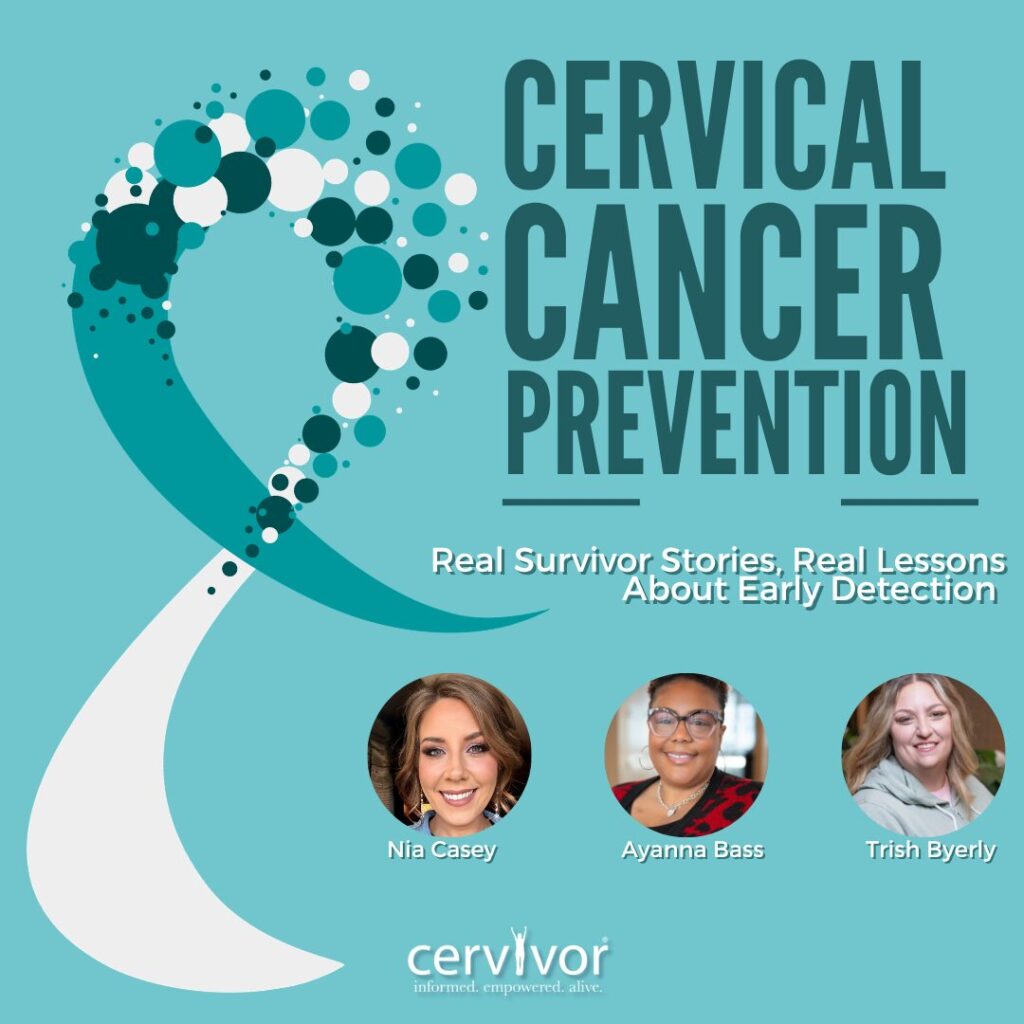
For Cervivor community members, cervical cancer prevention isn’t abstract — it’s personal. It’s the difference between a routine screening that catches precancer early and a diagnosis that comes too late.
That’s why National Cancer Prevention and Early Detection Month — first recognized last April — matters. More than 2 million Americans are diagnosed with cancer each year, yet many of these cases could be prevented or detected earlier with the tools we already have.
Cervical cancer is one of the clearest examples. With HPV vaccination and routine screening, it is largely preventable — and even on track for elimination in countries like Australia, Rwanda, and Sweden. Still, each year, about 13,000 people are diagnosed with cervical cancer and more than 4,000 die from the disease, according to the American Cancer Society.
So what’s getting in the way?
Too often, it’s missed screenings, delayed follow-up care, or the persistent myth that symptoms will appear first. They usually don’t. For many, unequal access to care plays a major role.
“We have the tools to stop cervical cancer before it starts or catch it early, when it’s most treatable,” explains Cervivor’s Founder and Chief Visionary Tamika Felder, a 25-year cervical cancer survivor. “But those tools only work if people have access, information, and the support to use them.”
Here’s what to know about cervical cancer prevention — and what real survivor stories reveal about early detection.
What Does Cervical Cancer Prevention Really Mean?
Before we dive into the stories, here’s a quick look at what cervical cancer prevention means. It’s not a single step — it’s a continuum focused on stopping cancer before it develops and catching changes early, before they become life-threatening.
- Primary prevention: The HPV vaccine protects against the virus responsible for nearly all cervical cancers, as well as five other HPV-related cancers.
- Secondary prevention: Routine screening (Pap and HPV testing) can detect precancer long before symptoms appear.
- Follow-up care: Abnormal results require timely monitoring or treatment — skipping this step is one of the biggest gaps in care.
When cervical cancer is found early, treatment is often simpler and more effective — sometimes requiring surgery alone — reducing the need for chemotherapy or radiation and, in some cases, helping preserve fertility.
But guidelines alone don’t save lives.
Cervical cancer survivor stories show what happens in the gaps — when screenings are delayed, or follow-up care is missed. Here are three Cervivor community members whose experiences highlight both the power of early detection and the consequences when prevention falls through.
Nia’s Story
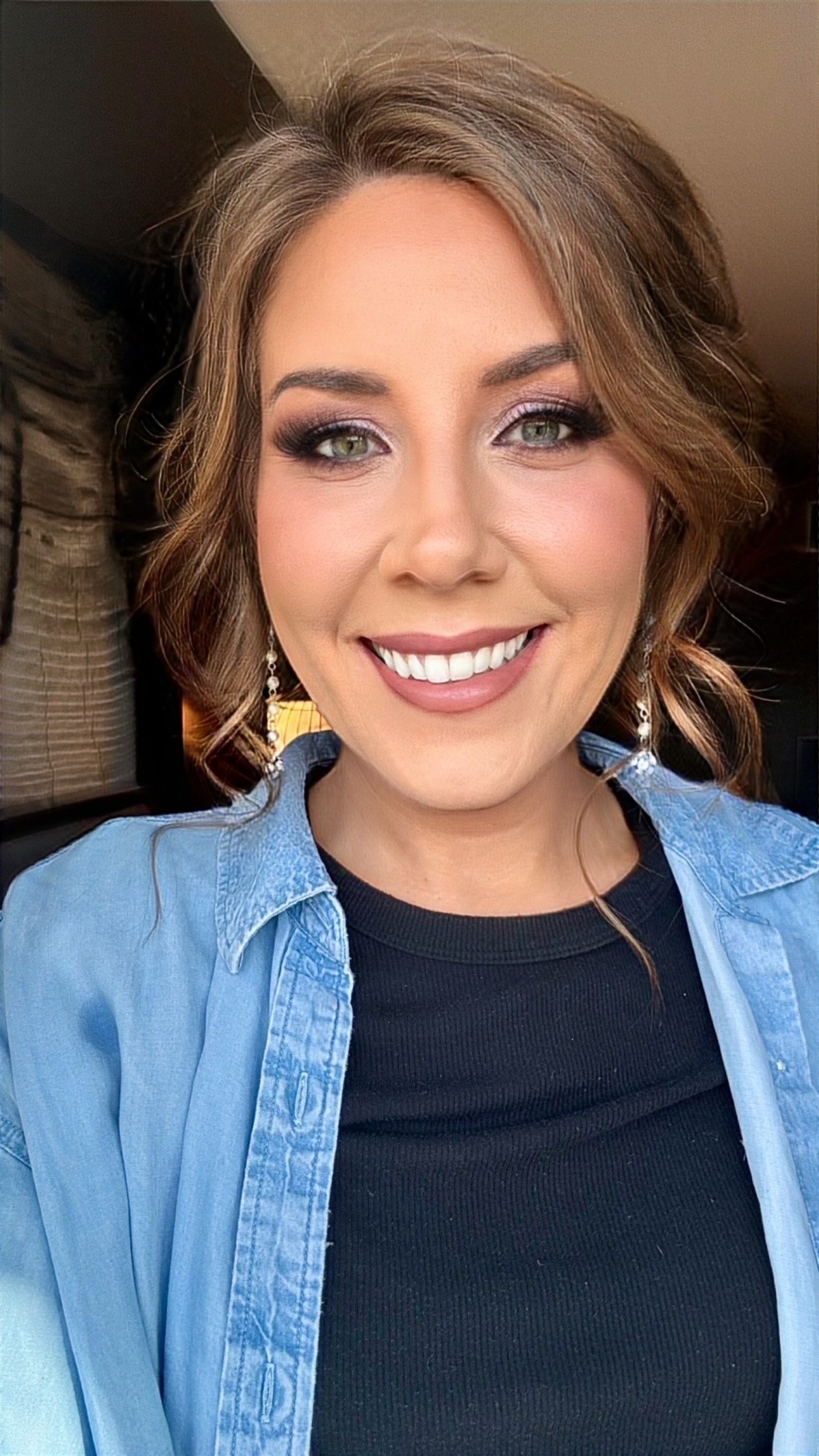
At 33, West Virginian Nia Casey was a busy mom of two, and routine gynecologic care had fallen off her radar. Years earlier, she’d had abnormal Pap results and follow‑up procedures, but life moved on. In 2024, despite feeling healthy, something prompted her to schedule a checkup. That decision changed everything. Her results came back abnormal, leading to additional testing, a procedure, and ultimately a cervical cancer diagnosis.
“I felt completely fine — no symptoms, nothing that would have made me think something was wrong,” she recalls. “If I had waited until I ‘felt’ something, my story could look very different.”
Because her cancer was caught early, her treatment was more straightforward, and her outcome was positive. “Routine screening is truly what saved me,” she says.
Looking back, she reflects on the gap in care. “Abnormal results don’t just ‘go away’ because time passes,” she says. “Life gets busy — I’m a mom, and I put myself on the back burner — but that gap could have cost me so much more.”
She continues, “Staying on schedule isn’t just a recommendation, it’s protection. Even if it’s been years, it’s never too late to go back.”
Now, her message is simple: “Don’t be scared of the appointment — be scared of skipping it. One simple check could save your life.”
Ayanna’s Story

Growing up in Texas, Ayanna Bass had never missed a Pap from age 18, and her September 2020 screening was normal — yet she still felt something wasn’t right. Since 2014, she had raised concerns about heavy cycles, but appointment after appointment, she was told it was likely related to having her tubes tied. Still, her instincts pushed her to keep asking questions.
An ultrasound finally raised a red flag. “Not even two minutes into the exam, she stopped and told me I needed a biopsy done to check for cancer,” Ayanna recalls. A week later, she learned she had cervical cancer, later staged at III.
The diagnosis hit hard as a mother of two girls. “The most difficult things for me were asking for help and not being able to take care of my kids,” she says. Treatment — including radiation, chemotherapy, and brachytherapy — took a heavy toll. She leaned on her faith and music, especially “You’re Gonna Get the Glory.”
For Ayanna, early detection was also about finally being heard. “Early detection isn’t just about routine screenings — it’s about advocating for yourself,” says Ayanna, who completed Cervivor School advocacy training in 2022. “There should be more listening, more follow-up, and less dismissal. If symptoms continue, there should always be a next step.”
Today, her message is clear: “If you feel like something is wrong, keep pushing until you get answers. Nobody knows your body like you.”
Trish’s Story

Trish Bylerly of Virginia first faced cervical precancer at 20, undergoing a cone biopsy and LEEP. After years of normal results, she was told at 38 she didn’t need a Pap that year — but something still felt off.
When her already heavy periods worsened, her primary care doctor listened, ordered an ultrasound, and “truly [became] my ally,” Trish says. A biopsy revealed a visible mass, and she was sent to Walter Reed National Military Medical Center for urgent evaluation.
Her diagnosis came quickly: stage IB2 cervical cancer. She chose a radical hysterectomy with lymph node removal — a decision that proved life-saving when cancer was found in her lymph nodes. She then completed radiation and chemotherapy.
The night before surgery, Trish decided to donate her reproductive organs and tissue for research at the National Institutes of Health and the National Cancer Institute. “If my contributions can help another woman avoid the path I’ve taken, then every moment has been worth it,” she says.
Radiation left lasting side effects, and adjusting to the “new me” took time. Today, the 2025 Cervivor School graduate encourages others to speak up, push for answers, and find providers who take their concerns seriously.
Prevention Works — But Only If We Use It
These survivor stories remind us what’s at stake: Delayed care can change the course of a life, while early detection can save one.
Preventing cervical cancer isn’t complicated. But the tools — HPV vaccination and screening — only work when people can access them, get accurate information, and have the support to take the next step.
As Cervivor founder Tamika Felder has shared, “Communities of color, people in rural areas, immigrants, people without reliable insurance, and those facing language or transportation barriers experience higher risks and lower access to vaccination, screening, and timely treatment.”
When we remove those barriers, prevention becomes possible — and lives are saved.
Want to learn how to advocate for yourself and others, like other Cervivor community members who’ve turned their pain into purpose? Join us at the upcoming Gynecological Cancer Survivors Retreat Powered by Cervivor School during the last week of September 2026. Register today!
About the Author

Kyle Minnis is a recent graduate of Strategic Communications at the University of Kansas with a passion for digital media, storytelling, and audience engagement.