March is a month of significance for many, particularly within the Cervivor community. It marks Surrogacy Awareness Month, a time to shed light on an alternative path to parenthood that holds profound meaning for those whose fertility has been impacted by cervical cancer treatments like hysterectomy and radiation therapy. Gestational surrogacy is the most common form of surrogacy that involves a surrogate carrying a fetus not genetically related to her. This method allows individuals or couples to have a child using their own genetic material or that of a donor, while the surrogate provides the nurturing environment for the pregnancy.
Cervical cancer survivors like Ginny, Tamika, Gina, Anna, and Kate all have something in common. They have each embarked on unique journeys of resilience, hope, and motherhood through the remarkable path of gestational surrogacy. Their inspiring stories shed light on the triumph over challenges and the profound joy of becoming a mother beyond cervical cancer.
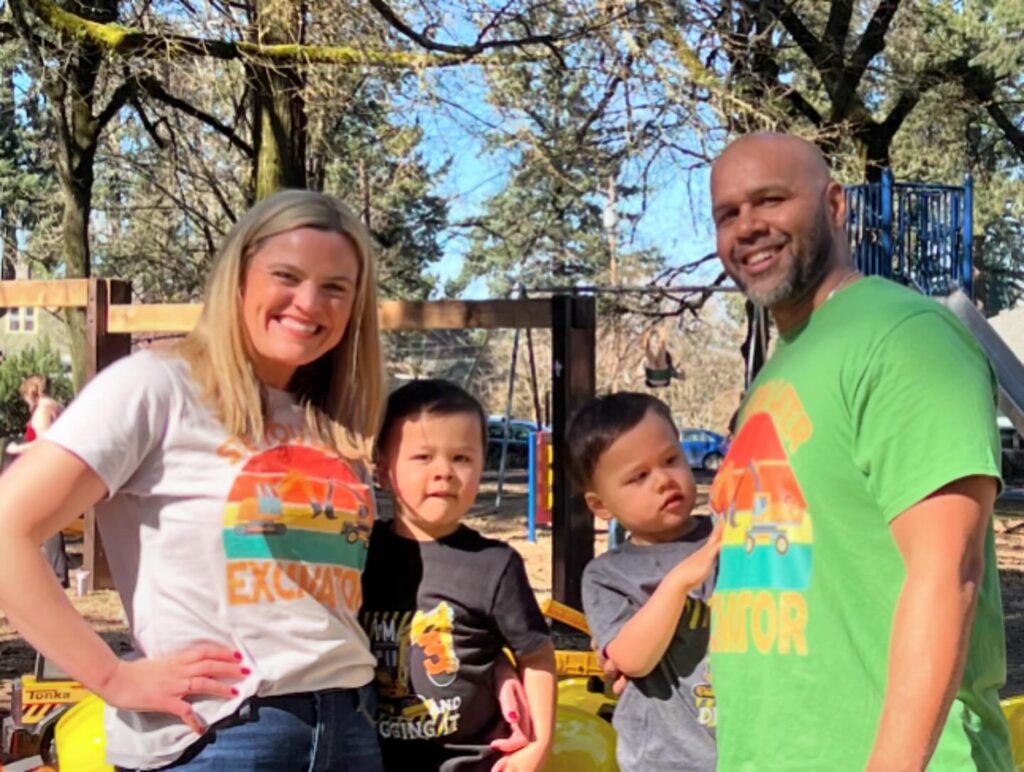
Ginny’s Journey
Ginny’s journey with cervical cancer was daunting, but her determination to become a mother never disappeared. Gestational surrogacy offered her a double dose of hope. With the support of her husband Sean, they embraced the path to parenthood, navigating the emotional ups and downs with grace. Today, Ginny cherishes every moment with her twin boys who celebrated their 3rd birthday. [Click here to watch Ginny’s Cervivor Story].

Tamika’s Path
At the young age of 25, Tamika received devastating news from her doctor: she was diagnosed with cervical cancer and faced the prospect of a life-saving radical hysterectomy, rendering childbirth extremely challenging. She never imagined that the option to have children would be taken away from her and for years she believed becoming a mother would never come true. Until one day, the most exceptional gift came from a woman she barely knew. [Read the Featured Article Here]
The surrogacy process is intricate, involving careful matching of surrogates with intended parents based on preferences and health criteria. Surrogacy agencies or programs often facilitate this matchmaking process, ensuring compatibility and support throughout the journey. Clear delineation of roles and responsibilities is essential in surrogacy arrangements. Surrogates have the autonomy to make health decisions during pregnancy and receive compensation for their invaluable contribution. Intended parents, on the other hand, assume the financial, legal, and medical obligations associated with the surrogacy journey.
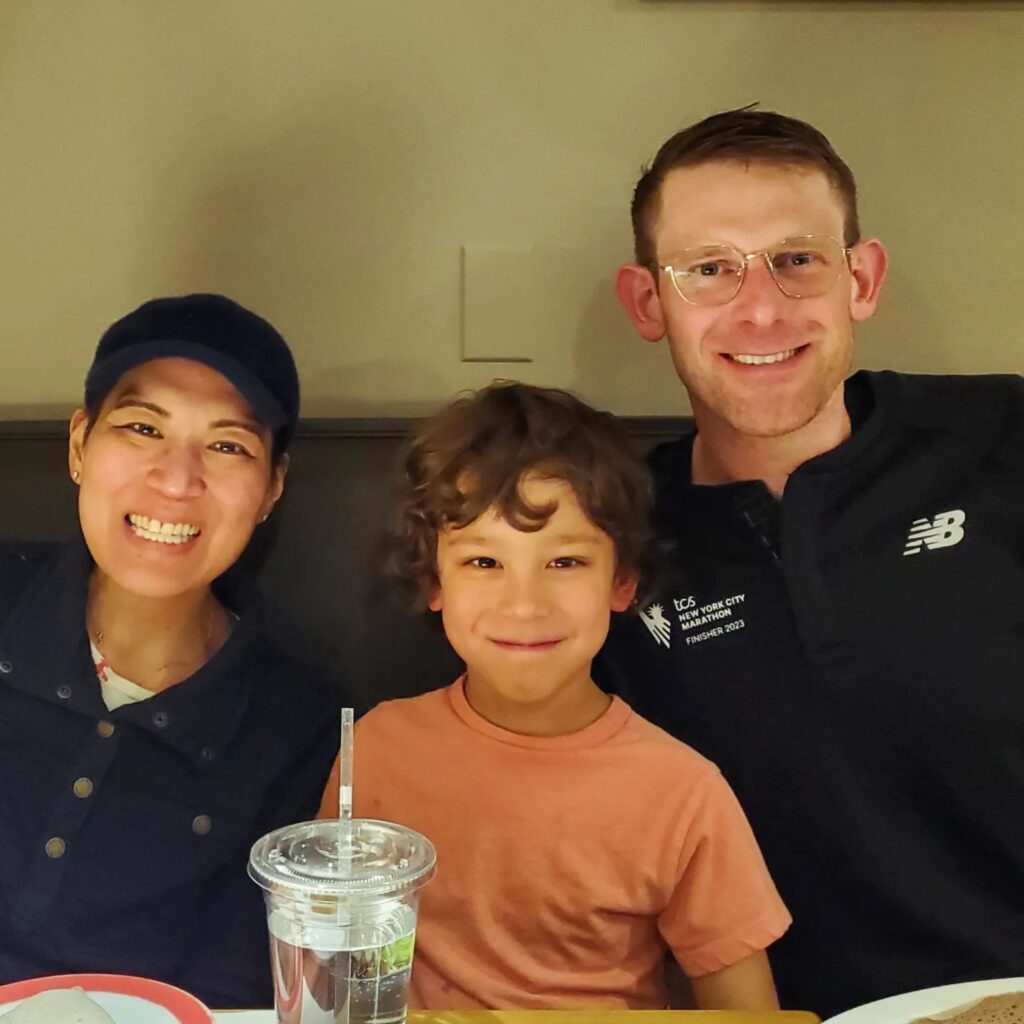
Gina’s Grace
In 2016, Gina and her spouse, Dan, received the joyous news of expecting a baby, only to be met with the harsh reality of Gina’s cervical cancer diagnosis. Amidst this challenging time, the medical team at the University of Washington Medical Center played pivotal roles in saving her life not once, but twice. However, the treatments rendered Gina unable to conceive naturally. With hope and determination, Gina turned to social media, where her friend generously volunteered to become their gestational carrier. [Read More of Gina’s Story].
Anna’s Adventure
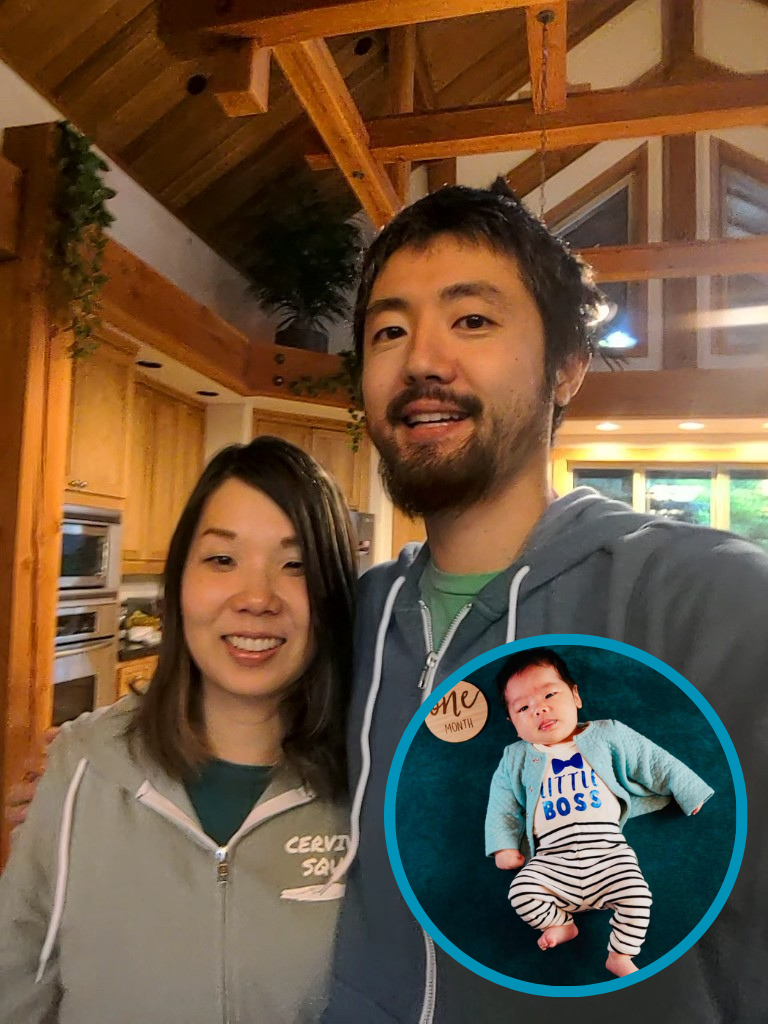
Anna, a resilient cervical cancer survivor, made a courageous decision with her husband, Soto in 2021 to undergo fertility preservation before embarking on her cancer treatments. Determined to preserve her dream of motherhood, she opted to freeze her embryos. Despite the uncertainties ahead, Anna held onto hope. In November 2023, her son entered the world through a gestational surrogate. Anna’s journey is a testament to the power of perseverance and the love of becoming a mother. [Read more of Anna’s Cervivor Story].
Kate’s North Star
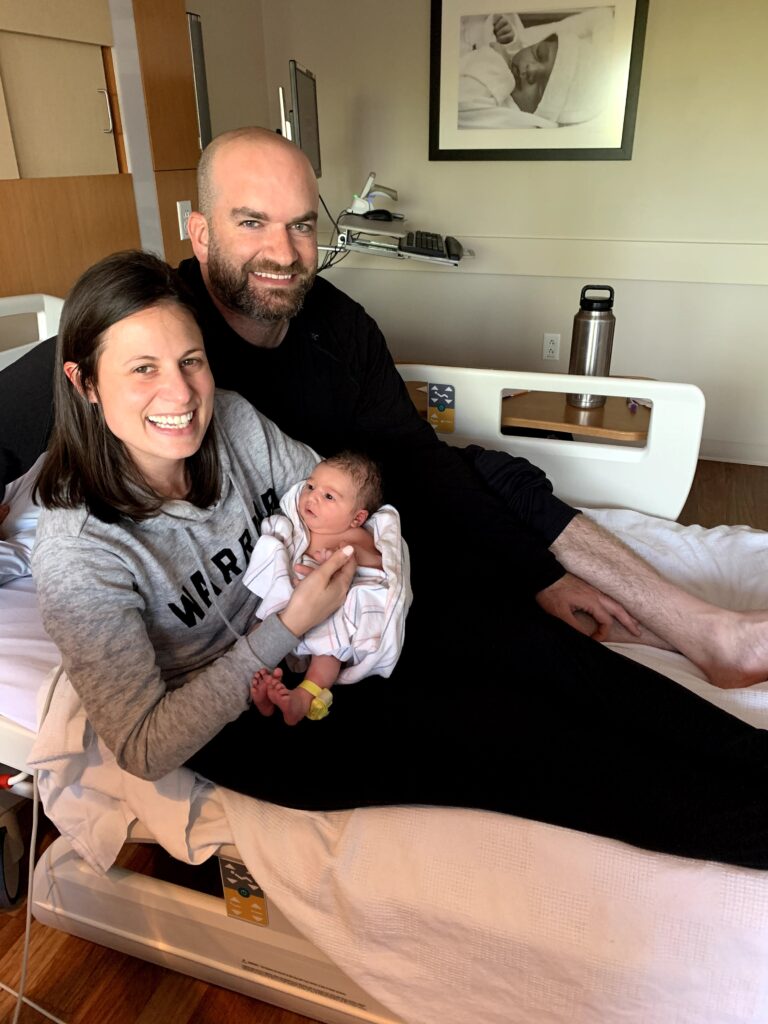
In the same appointment where she received the sobering diagnosis of cervical cancer at 30, Kate was also informed that carrying children would be an impossibility. Her oncologist presented her with a glimmer of hope, outlining options for biological children through surrogacy in the future. Without hesitation, she embarked on the journey of invitro fertilization, resulting in the preservation of nine healthy embryos. Later, she and her husband Matt dove into the intricate world of surrogacy, navigating through the complexities with the guidance of an agency. The process proved to be arduous, lengthy, and financially daunting. [Read Kate’s Blog].
As we read in Kate’s story above, one of the significant barriers to surrogacy is its cost, which can range from $60,000 to $150,000, covering legal fees, medical expenses, surrogate compensation, and other miscellaneous costs. This financial burden can be overwhelming for many individuals and couples aspiring to parenthood. In January of this year, Cervivor, Inc. established The Virginia “Ginny” Marable Cervivor Baby Gift Fund: Supporting Your Path to Parenthood. Initiatives like the Virginia “Ginny” Marable Cervivor Baby Gift Fund aim to alleviate these financial barriers and make surrogacy accessible to all. By supporting this fund, donors contribute to removing obstacles and providing hope to those navigating the journey to parenthood.
The stories of Ginny, Tamika, Gina, Anna, and Kate serve as powerful reminders of the resilience of the human spirit and the transformative power of gestational surrogacy. Through adversity, they found hope. Through uncertainty, they found courage. And through it all, they discovered their pathway to parenthood. Their journeys inspire us all to embrace life’s challenges with grace and to celebrate its blessings with gratitude. This Surrogacy Awareness Month, let’s come together to celebrate the gift of surrogacy and support initiatives like the Virginia “Ginny” Marable Gift Fund. Through awareness, understanding, and collective action, we can ensure that everyone, regardless of financial means, has the opportunity to build the family they’ve always dreamed of. Let’s break down barriers and cultivate inclusivity to ensure that parenthood remains within reach for everyone.
Are you a cervical cancer patient or survivor and would like to share your surrogacy or pathway to parenthood story with us? Email us at [email protected]!