One Acronym, Many Identities: Why Every AANHPI Cervical Cancer Story Matters

By Kyle Minnis, Cervivor Communications Assistant

Asian American, Native Hawaiian, and Pacific Islander (AANHPI) communities are often discussed as though they are a single group. In reality, they represent more than 25 million Asian Americans and roughly 1.7 million Native Hawaiians and Pacific Islanders in the United States alone, with roots tracing across dozens of countries and cultures spanning the largest geographic region in the world.

That diversity matters when it comes to cervical cancer prevention and care.

Different countries across Asia and the Pacific have vastly different rates of HPV infection, cervical cancer incidence, screening access, and vaccination uptake. Those differences don’t disappear once families immigrate to the United States. In fact, they often continue here, shaped by factors like language access, insurance coverage, cultural beliefs, immigration status, healthcare discrimination, and whether families have access to culturally relevant information.

But when all AANHPI people are grouped together in research and public health data, those differences can become invisible.

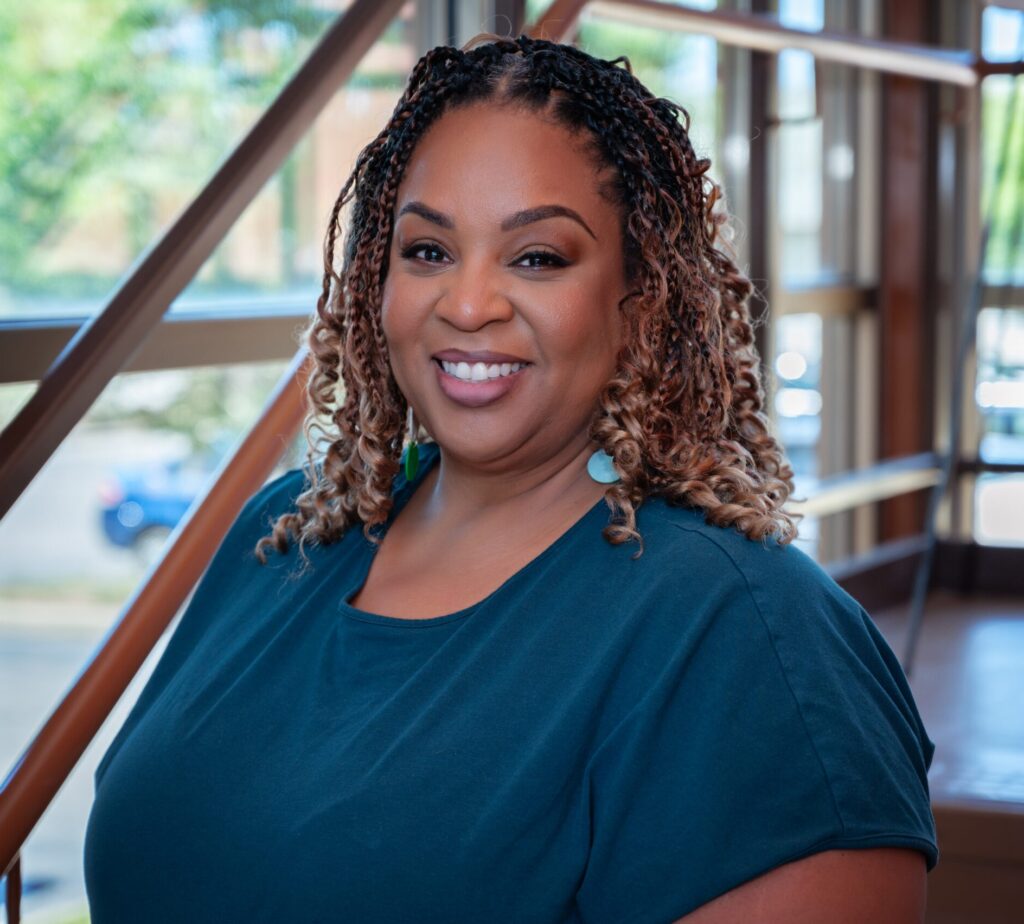
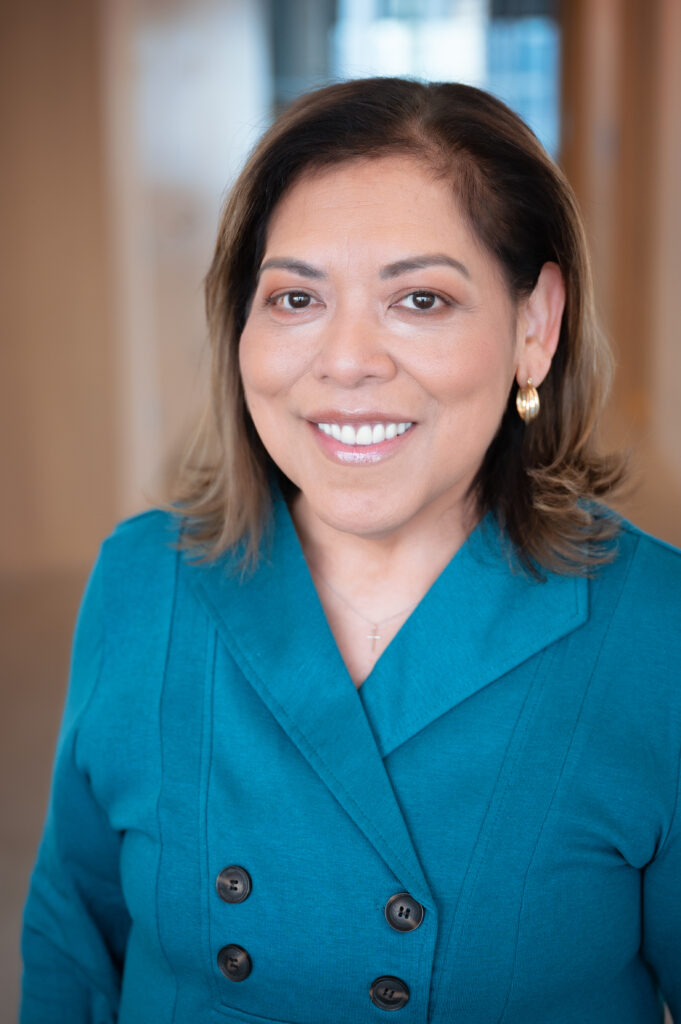
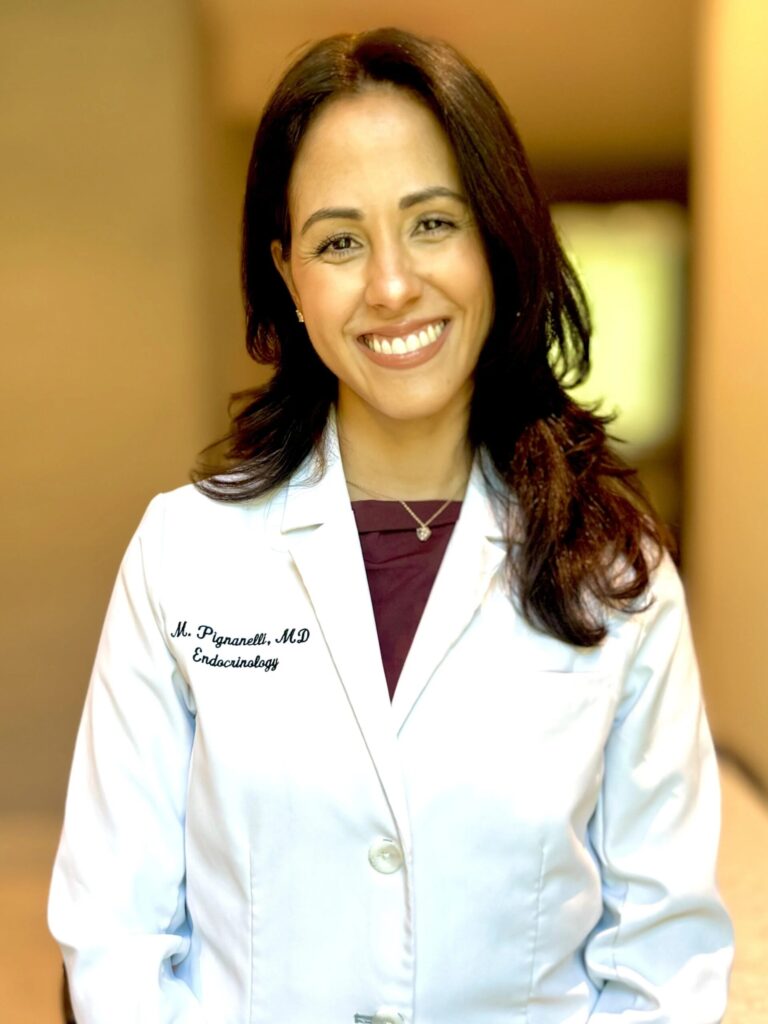
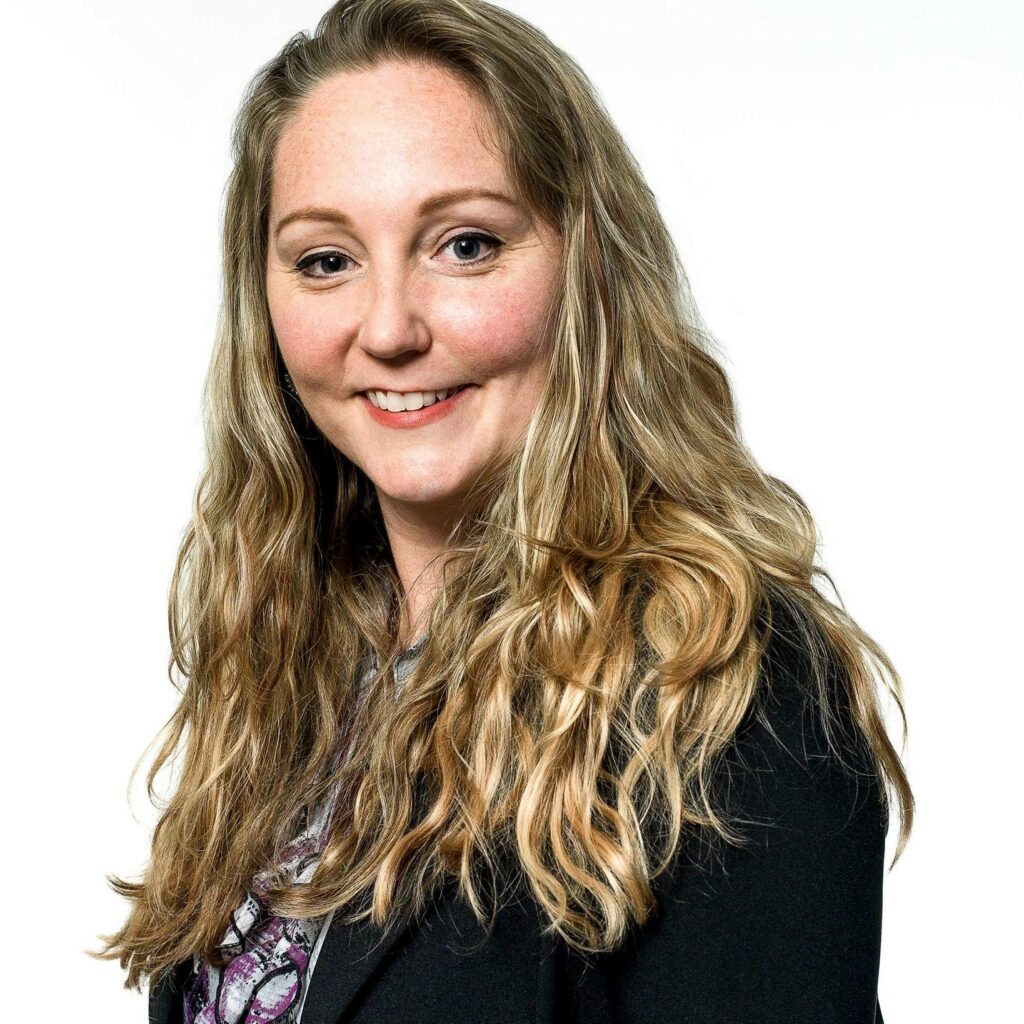
Dr. Mihae Song

“It’s so important to disaggregate cervical cancer data because we have seen how incidence, stage at diagnosis, screening rates, and cancer outcomes can vary widely across different AANHPI communities,” says Dr. Mihae Song, M.D., of the Gynecologic Oncology Fellowship Program at the City of Hope. “If we can better recognize and understand where disparities exist, we can then direct resources and interventions to the communities that need them most to overcome unique cultural and structural barriers they face.” 

This Asian American, Native Hawaiian, and Pacific Islander (AANHPI) Heritage Month, we’re exploring some of the factors behind these gaps while highlighting the experiences and voices of Cervivor community members. 

Dr. Song was a past guest on the Cervivor Podcast, discussing health disparities in the Asian American, Native Hawaiian, and Pacific Islander (AANHPI) community.

Where Disparities Exist in AANHPI Communities

While Asian American women overall appear to have lower cervical cancer rates than the national average, that broad data masks important disparities between communities:

  • Some Southeast Asian groups, including Vietnamese, Cambodian, and Laotian women, have historically faced significantly higher cervical cancer rates.
  • Native Hawaiian and Pacific Islander women experience disproportionately high cervical cancer mortality rates.
  • Asian American women have some of the lowest cervical cancer screening rates in the United States, often due to cultural stigma, modesty, language barriers, or lack of culturally competent care.
  • HPV vaccination and routine Pap and HPV testing can prevent nearly all cervical cancer cases, yet many AANHPI families still lack access to trusted, culturally resonant information and care.

These disparities reflect systemic inequities, not individual choices. 

Cultural Silence and the Weight of Stigma

Across many Asian and Pacific Islander cultures, deep-seated stigma around reproductive health can make cancer a taboo subject, leaving many survivors to navigate their diagnoses in isolation.

This silence is often compounded by cultural barriers like strict modesty, a traditional reluctance to burden family members, and the pervasive “model minority” myth, which frequently masks healthcare disparities in AANHPI communities and causes critical symptoms or screenings to be overlooked.

“In many Asian immigrant communities, people often do not grow up openly discussing gynecologic health, vaccines, or Pap smears — even within their families,” says Dr. Song, who is fluent in both English and Korean. “Language barriers, discomfort with pelvic exams, and cultural stigma can all contribute to lower screening rates and more advanced cervical cancer diagnoses.”

For Cervivor Founder and Chief Visionary Tamika Felder, creating a supportive community for AANHPI individuals to share openly comes from a personal place.

“We know there are more women out there who are suffering in silence and could benefit from safe spaces like Cervivor,” Tamika says. “We’ve lost women like Becky Wallace and Gina Gossett far too soon, and we owe it to them — and to the AANHPI individuals with cervixes who still haven’t shared their stories — to keep having these conversations openly and compassionately.”

Those conversations happen through programs like Cervivor’s Cervical Cancer Patient Advocacy for Communities of Color Retreat and Asian & Pacific Islander virtual meetups — empowering spaces where cervical cancer patients, survivors, and thrivers within the AANHPI community can speak freely, support one another, and feel seen. (The next virtual meetup is Tuesday, May 26, 2026, at 7 p.m. ET / 4 p.m. PT for those interested in joining.)

By sharing their experiences publicly, the following Cervivor community members hope to challenge stigma, encourage prevention, and help others in AANHPI communities feel less alone. 

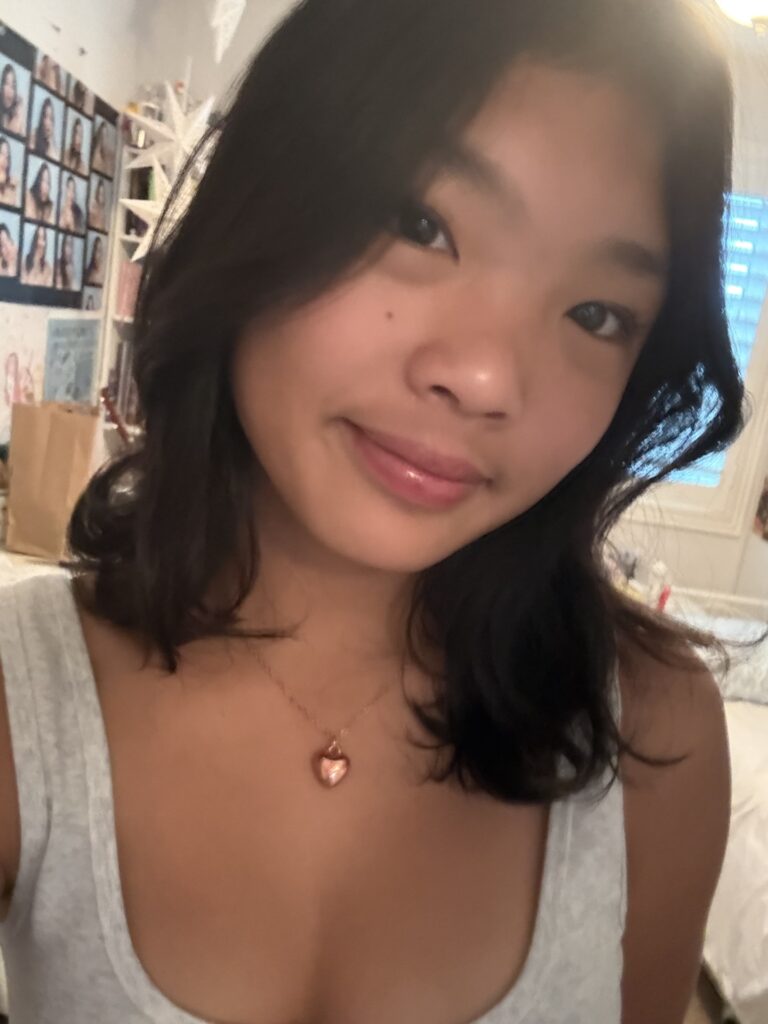
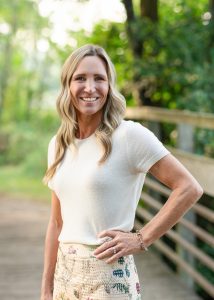
Janice’s Story: “Find Your People and Forget the Taboo”

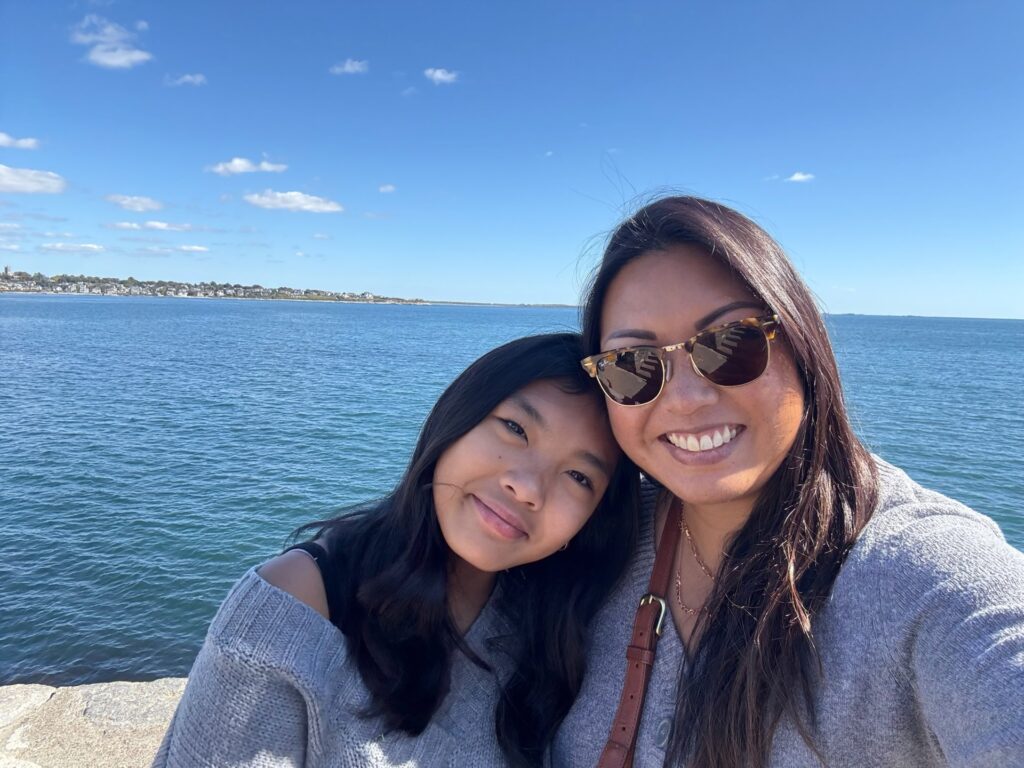
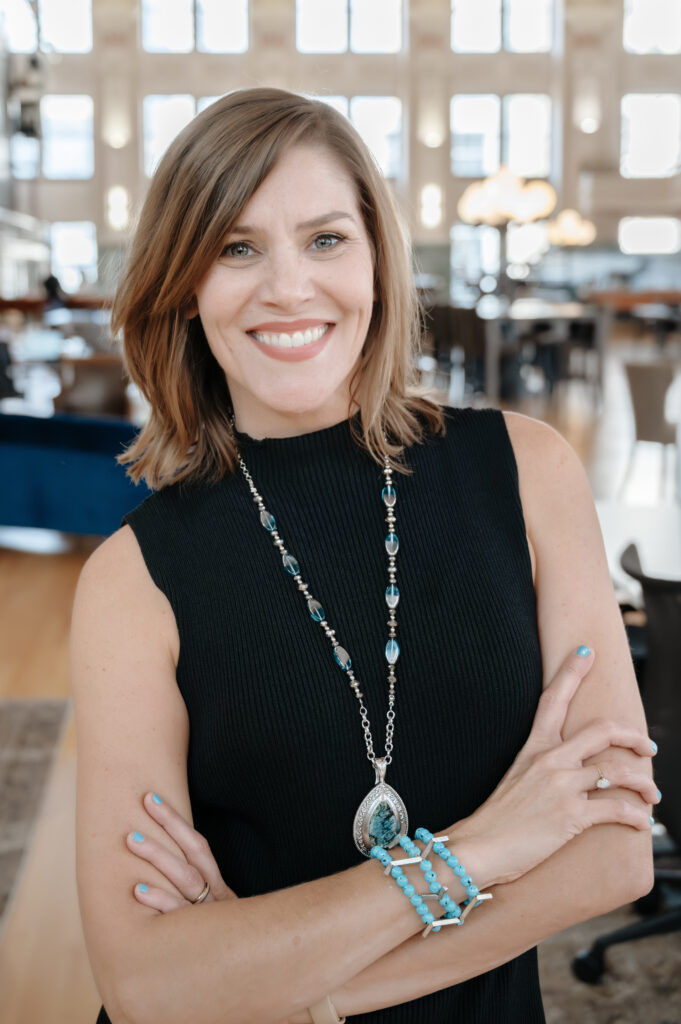
Janice Le-Nguyen

Nevada-based survivor Janice Le-Nguyen says cultural expectations shaped how she processed her cervical cancer diagnosis after being diagnosed with stage I endocervical adenocarcinoma at age 32 in 2021.  

Although she had been experiencing irregular periods, her previous Pap test had come back normal. So when she finally sought care during the pandemic, the diagnosis “was not even on the radar” for either her or her doctor. One of the hardest parts, she says, was figuring out how to tell her family.

“I was not the one to tell my parents after that doctor visit,” Janice shares. “I called my sister and asked her to tell them initially because I didn’t know how to tell them that their youngest daughter had cancer, and cervical cancer at that.” She also remembers struggling to even find the Vietnamese words to describe her diagnosis.

Janice underwent a LEEP procedure followed by a hysterectomy and lymph node dissection. Looking back, she wishes there had been more open conversations around HPV prevention and both Pap and HPV testing in her community. “While the conversations may be uncomfortable for the AANHPI population, I think current and future generations would benefit,” she says.

Today, nearly two years with no evidence of disease (NED), Janice is using her story to help others let go of stigma and prioritize their health.

“Find your people and forget the taboo,” she says. “You may be the one person who’s able to bring someone out of their shell to encourage them on the path to screening and advocating for their health if anything ever feels off.”

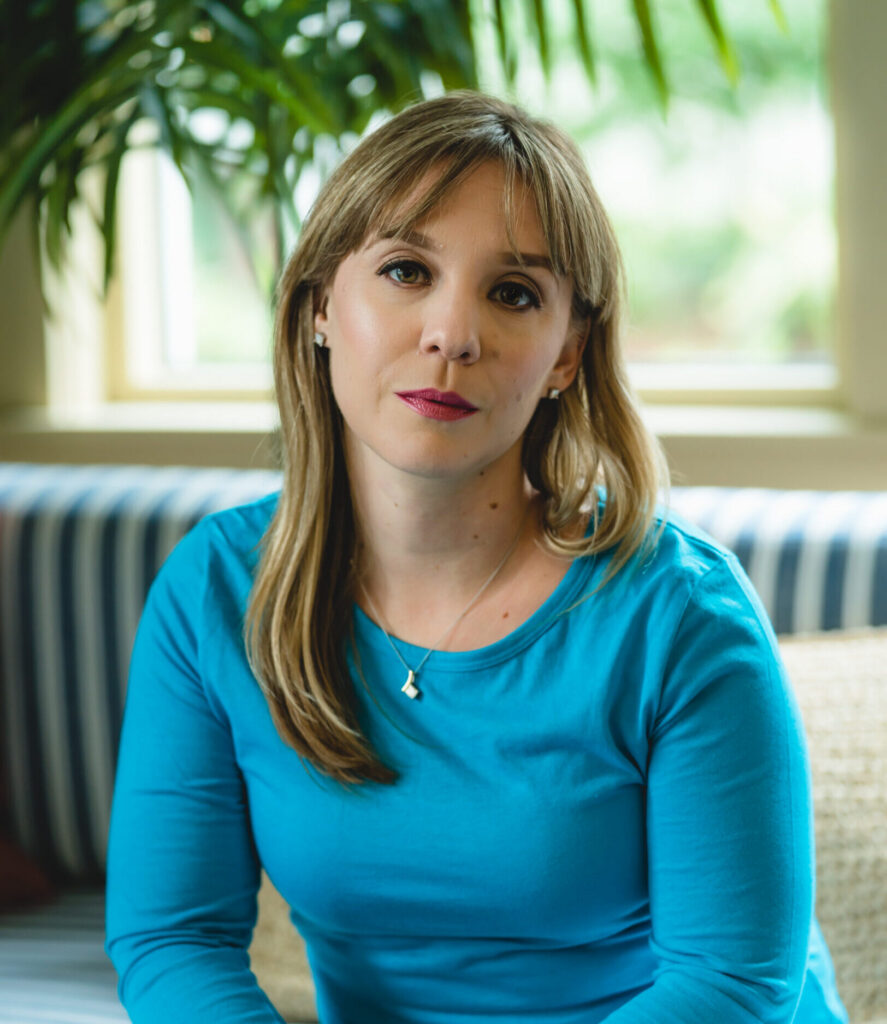
Satyani’s Story: From Silence to Self-Advocacy

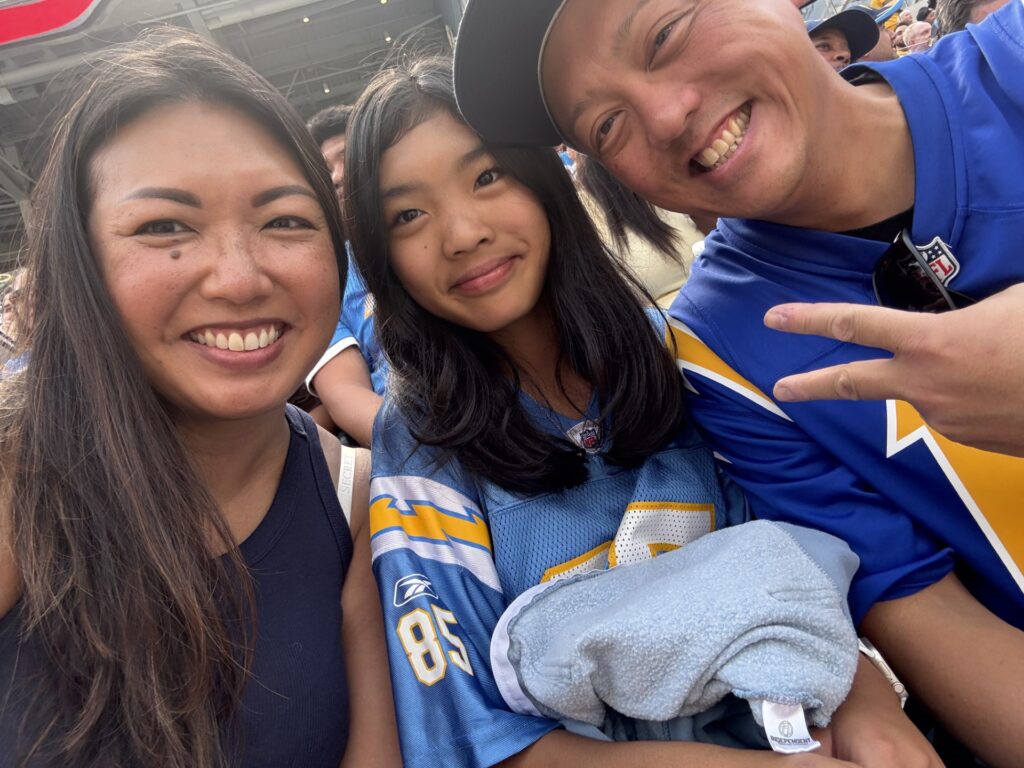
Satyani McPherson

For survivor Satyani McPherson, the silence surrounding sexual health was shaped not only by cultural stigma, but also by trauma.

Of Hawaiian, Chinese, English, African American, and Choctaw heritage, Satyani says many of the cultures she grew up around shared similar taboos surrounding sexuality and reproductive health. After surviving multiple instances of sexual assault beginning in childhood, conversations about sexual health became especially difficult. 

Negative healthcare experiences later reinforced those fears, making pelvic exams and screenings emotionally and physically uncomfortable over the years. After being diagnosed with a sexually transmitted disease in her twenties, Satyani recalls that “the doctor acted as though I had the cooties,” leaving her feeling “uncomfortable and hesitant to ask questions about the disease, its side effects, and treatment.”

In her fifties, doctors discovered abnormal cervical cells and recommended a hysterectomy, which she declined at the time. Years later, she was diagnosed with cervical cancer. Initially pursuing alternative therapies and holistic treatments, Satyani eventually underwent chemotherapy, radiation, and brachytherapy after the cancer progressed to stage II.

Treatment was physically and emotionally grueling, particularly given her history of trauma. Still, compassionate providers, mindfulness practices, and support from her husband helped carry her through. “I was not ready to resign my life to a cancer diagnosis,” she says, adding that her husband’s support helped her make the difficult decision to pursue conventional treatment.

Now, one year NED, Satyani is sharing her story publicly for the first time through Cervivor to encourage others to prioritize HPV vaccination, regular screenings, safe sex practices, and open conversations about sexual health. “I have been inspired to educate others so they can make conscious choices to avoid this devastating disease and treatment,” she says.

Why Storytelling Saves Lives

Some AANHPI subgroups face cervical cancer rates two or three times higher than the U.S. average, even though cervical cancer is largely preventable through HPV vaccination, regular screenings, and timely treatment. But data alone cannot tell the full story.

At Cervivor, we believe survivor stories create understanding, trust, and connection — especially in communities where silence around cancer and sexual health can still run deep. By speaking openly, sharing culturally relevant information, and advocating for equitable care, survivors and allies can help close these gaps and save lives.

This AANHPI Heritage Month, here are a few ways to support Cervivor’s mission and strengthen the community:

  • Share your story. Your experience may help someone else feel seen, understood, or encouraged to seek care.
  • Get screened and vaccinated. Schedule your Pap or HPV test, and encourage eligible loved ones to receive the HPV vaccine.
  • Join the Cervivor community. Support groups, advocacy programs, meetups, and Cervivor School offer connection, education, and empowerment.
  • Spread awareness. Challenge stigma and encourage conversations about prevention, screening, and survivorship in your own community.
  • Connect with us on socials or subscribe to our newsletter for the latest news, resources, and community events

Every story matters. Every community matters. And together, we can work toward ending cervical cancer for everyone.

About the Author

The image is a portrait of a young man with dark skin and short, curly black hair. He is wearing a blue collared shirt and black-framed glasses, and is smiling at the camera.
The man has dark skin and short, curly black hair.
His hair is cut close to his head, with a slight fade at the sides.
His eyebrows are thick and well-groomed.
He is wearing a blue collared shirt.
The shirt is a medium blue color and appears to be made of a lightweight material.
It has a relaxed fit and is buttoned up to the top.
He is also wearing black-framed glasses.
The frames are rectangular in shape and have a subtle curve at the temples.
The lenses are clear and do not appear to have any tint or coating.
The man is smiling at the camera.
His smile is wide and genuine, showing off his white teeth.
His eyes are crinkled at the corners, giving him a friendly and approachable appearance.
The background of the image is a plain gray color.
The gray is a medium tone, neither too light nor too dark.
It provides a neutral backdrop that allows the subject to stand out.
Overall, the image presents a friendly and approachable young man who appears to be confident and comfortable in front of the camera

Kyle Minnis is a recent graduate of Strategic Communications at the University of Kansas with a passion for digital media, storytelling, and audience engagement. He has experience in content strategy and media production. Kyle is especially interested in the intersection of media, branding, and digital growth.

We Are the Legacy: Black Survivor Voices Shaping a Future Without Cervical Cancer

By Kyle Minnis, Cervivor Communications Assistant

When we talk about Black History Month, we often focus on the names everyone knows: movement builders, artists, scientists, and changemakers whose impact is still felt today. In cervical cancer, there is another history — one often unnamed: a history of medical mistrust that continues to shape what Black individuals with a cervix experience in exam rooms and oncology wards.

At Cervivor School Kansas City, Tiera was named a 2025 Cervivor Champion.

Cervivor Ambassador and Lead of Cervivor Noir Tiera Wade, who recently wrote a blog post celebrating Black physicians addressing cervical cancer disparities, says this reality shaped her own experience. Many Black women report that their pain and symptoms are minimized or dismissed.

“I was experiencing back pain, vaginal bleeding, and pain during intercourse, but I didn’t realize it was all preventable,” says the Akron, Ohio, resident, who was diagnosed during COVID after waiting months to be treated. “If I had been properly educated and prioritized as an African American woman — made aware of what HPV was — I would have been more proactive.”

During a recent panel Tiera moderated at the 2026 Cervical Cancer Summit Powered by Cervivor, Inc., Dr. Paris Thomas, PhD, MS, of Equal Hope in Chicago, shared how her grandmother often told the story of why her own mother never delivered her children in a hospital. After losing a baby there, she believed hospitals were unsafe and never returned. That pain carried across generations.

“Trust starts in our homes,” Dr. Thomas explained. And rebuilding it requires working within communities — asking what they need and creating care that feels familiar and respectful.

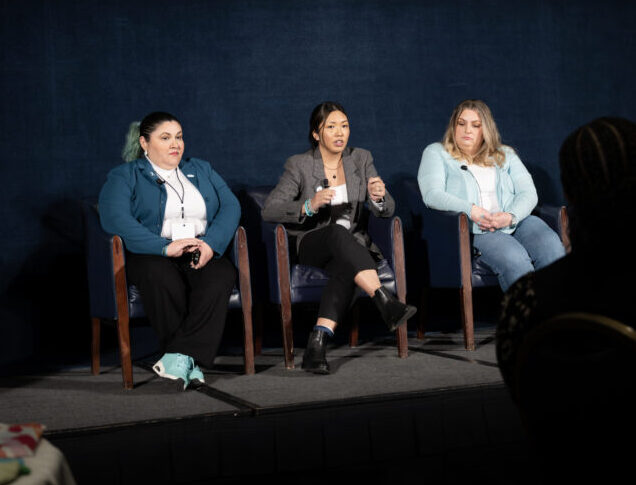
Tiera (second from left) moderated a Community In Action panel at the 2026 Cervical Cancer Summit featuring public health experts, including Dr. Thomas (at right). 

For Tiera, navigating treatment alone during the pandemic became an unexpected source of strength. “Because my treatment happened in the middle of COVID, I really had to use my voice,” she said. “I had to show up for myself. It gave me my power back.”

This February, Cervivor honors Black History Month by centering the voices of Black survivors — like Tiera and her fellow Black Cervivor community members featured below — while advancing its critical work to address persistent inequities and support individuals of color affected by cervical cancer.

From History to Right Now

Cervical cancer’s story cannot be told without Black women. In the 1950s, Henrietta Lacks, a young Black mother treated for cervical cancer, had her cells taken without her consent. Those cells became the first immortal human cell line and helped pave the way for countless scientific breakthroughs, including research that ultimately contributed to HPV vaccines.

Henrietta Lacks

Enslaved Black women, often called the “Mothers of Gynecology,” were also subjected to experimentation without anesthesia or consent. That lingering mistrust still echoes today, shaping how safe it feels to seek care, ask questions, or advocate for oneself.

The disparities persist. Black women are more likely to die from cervical cancer than any other racial or ethnic group. They are more often diagnosed at a later stage, even though screening rates are often similar to or higher than those of white women. The issue is not simply whether a Pap or HPV test is done. It is what happens before and after: whether symptoms are taken seriously, abnormal results are followed up on, and treatment is accessible and affordable.

Barriers extend beyond the exam room — insurance gaps, transportation, childcare, time off work, and broader systemic inequities all affect access.

At the Summit, Dr. Thomas highlighted a stark example from Chicago. Brachytherapy centers — critical for cervical cancer treatment — are not located in the neighborhoods with the highest mortality rates. In Washington Park, a predominantly Black neighborhood with a lower median income, women are about 1.5 times more likely to die from cervical cancer than women in neighboring Hyde Park, just across the street and home to the University of Chicago.

“The difference isn’t distance,” Dr. Thomas said. “It’s economics. It’s access. It’s whether the system is designed with you in mind.”

 At the 2026 Summit, Dr. Thomas shared insights on Chicago communities and the disproportionate cervical cancer outcomes they face.

We Are the Legacy: Black Cervivor Stories that Tell the Truth

Every statistic about cervical cancer has faces and families behind it. Here are just some stories from Black members of the Cervivor community: 

Shondria’s Story

Shondria Vaughns’s cervical cancer diagnosis forced her to make an unimaginable choice: giving up her dream of having more children to save her life. In 2008, she underwent a radical hysterectomy after a 1-centimeter tumor was discovered. Later, she learned that several women in her family had faced gynecologic cancers, underscoring the importance of knowing your medical history. Today, she shares her story to stress that awareness and regular Pap tests can protect lives.

Tukesia’s Story

At 44, Tukesia’s life changed suddenly when a severe hemorrhage led to a Stage IV cervical cancer diagnosis. After coding in the hospital from blood loss, she endured weeks of radiation, chemotherapy, and brachytherapy while fighting to stay strong for her family. The journey tested her physically and emotionally, but it also strengthened her faith and resolve. Now a 2025 Cervivor School graduate, she advocates for vaccination and reminds women that they are never alone. Watch this recent video on CervivorTV about Tukesia’s cervical cancer journey.

Urika’s Story

Urika Fraser faced not only cervical cancer, but also insurance barriers that delayed her treatment. Her doctor ultimately admitted her to the hospital to begin chemotherapy, even arranging radiation at no cost. She spent more than six weeks hospitalized and later underwent lung surgery after the cancer spread. Through it all, Urika remained determined to fight for her life and her three children.

Felicia’s Story

Felicia Fe Fea endured years of severe bleeding and repeated dismissal of her concerns, despite a history of abnormal Pap tests. After months of hemorrhaging and a blood transfusion, she underwent a hysterectomy, only to learn she had stage 2B cervical cancer. Her cervix was overtaken by a tumor that had gone undiagnosed. Today, she speaks out about the importance of self-advocacy and making sure patients are truly heard.

Each of these stories reveals something the data alone cannot convey. They reveal the emotional labor of self-advocacy, the exhaustion of navigating systems not designed with Black women in mind, and the resilience of survivors pushing forward — not only for themselves, but for those who will come after them.

Finding Community through Cervivor

Healing from cervical cancer and navigating survivorship are deeply emotional and cultural experiences. For Black women, that means having spaces where they do not have to explain or downplay who they are to be heard.

That is why Cervivor Noir exists. Our community for Black women impacted by cervical cancer creates space to speak openly about racism and bias in healthcare, fears around family and fertility, and the role faith, culture, and community play in survivorship. There is a private Facebook group, and virtual Cervivor Noir meetups are every third Saturday of the month at 2 p.m. EST (register for the next one here).

Tiera (top right) and members of Cervivor Noir at this month’s virtual meetup.

“It’s a place where someone can say, ‘This happened to me,’ and hear, ‘I believe you — I’ve been there,’” says Cervivor Founder and Chief Visionary Tamika Felder, who launched the organization 21 years ago after her own diagnosis. “When I went looking for support, I found no voices that looked or sounded like mine.”

Recently, Tamika reflected on this early journey in an interview with ESSENCE, sharing the very real barriers to care she faced as a freelance TV producer in Washington, D.C., without health insurance — circumstances that led her to put off regular screenings.

Cervivor Founder Tamika during her time as a freelance TV producer, when she was diagnosed with cervical cancer.

“I thought, ‘I don’t need it… if I get sick, I’ll just go to the emergency room,’” she told ESSENCE. As a result, she went several years without routine screenings and only discovered her cancer after a doctor treating her for a painful boil under her arm asked when she had last had a Pap test. By then, treatment was urgent. She needed a hysterectomy immediately, leaving no time — and no financial flexibility — to pursue fertility preservation.

For much of her adult life, Tamika believed that meant she would never have children. Since then, she has spoken openly about normalizing all fertility journeys — including what it’s like to be a Black mom to a non-Black toddler, her son, Chayton, the original “Cervivor Baby,” who was born through embryo donation and gestational surrogacy in November 2022.

Tamika’s lived experience — along with that of so many Black women and other women of color — is exactly why Cervivor’s events and programs are intentionally designed to center them, not merely include them. Through retreats, advocacy training, and community conversations, Cervivor is building spaces where Black survivors feel seen, supported, and empowered.

This Black History Month, we honor the Black women whose bodies and lives shaped modern gynecology and cancer research, often without consent or recognition. We also honor today’s Black Cervivors —Tiera, Shondria, Tukesia, Urika, and Felicia Fe Fea — who are turning their stories into blueprints for change and their communities into sources of strength.

When Black survivors’ voices are prioritized, we move closer to a future where cervical cancer is not another chapter in injustice, but a story of collective courage, community, and change.

About the Author

The image is a portrait of a young man with dark skin and short, curly black hair. He is wearing a blue collared shirt and black-framed glasses, and is smiling at the camera.
The man has dark skin and short, curly black hair.
His hair is cut close to his head, with a slight fade at the sides.
His eyebrows are thick and well-groomed.
He is wearing a blue collared shirt.
The shirt is a medium blue color and appears to be made of a lightweight material.
It has a relaxed fit and is buttoned up to the top.
He is also wearing black-framed glasses.
The frames are rectangular in shape and have a subtle curve at the temples.
The lenses are clear and do not appear to have any tint or coating.
The man is smiling at the camera.
His smile is wide and genuine, showing off his white teeth.
His eyes are crinkled at the corners, giving him a friendly and approachable appearance.
The background of the image is a plain gray color.
The gray is a medium tone, neither too light nor too dark.
It provides a neutral backdrop that allows the subject to stand out.
Overall, the image presents a friendly and approachable young man who appears to be confident and comfortable in front of the camera

Kyle Minnis is a recent graduate of Strategic Communications at the University of Kansas with a passion for digital media, storytelling, and audience engagement. He has experience in content strategy and media production. Kyle is especially interested in the intersection of media, branding, and digital growth.