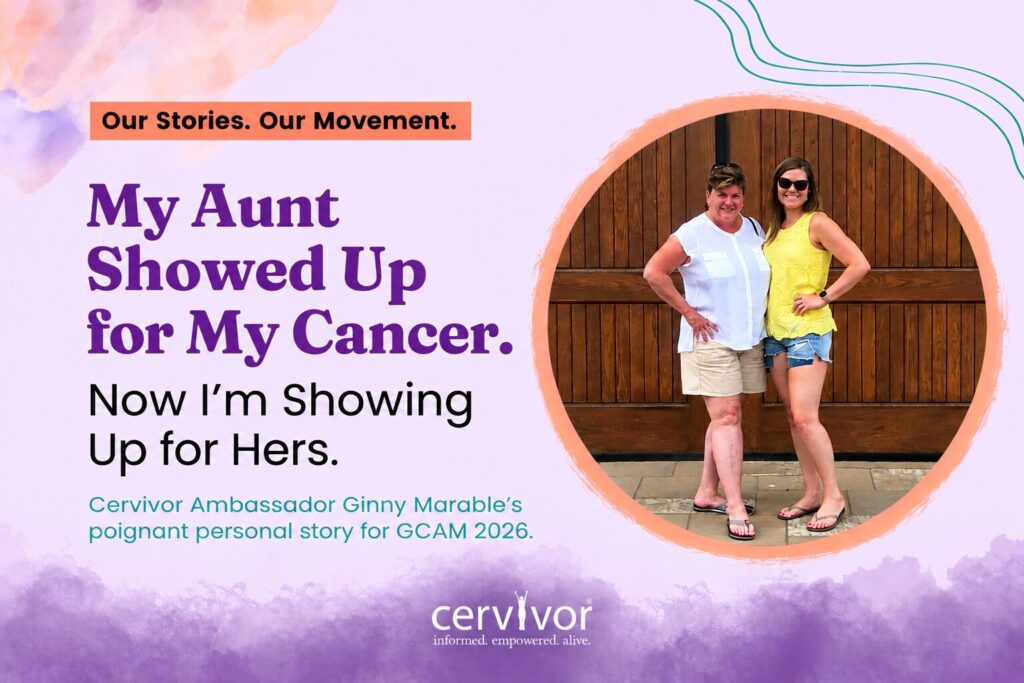
“My Aunt Showed Up for My Cancer. Now I’m Showing Up for Hers.”

By Virginia “Ginny” Marable
If you came to Susie’s house, you didn’t just arrive. You arrived at a plan.

There was a custom menu. A printed itinerary. A guest room ready before you’d unpacked. Your favorite beverage waiting in the perfect vessel. She thought about what you’d need before you knew you needed it.

Aunt Susie brought the party. She brought the fun. She knew how to make people feel special, and she was fully, authentically herself. She didn’t take any nonsense.

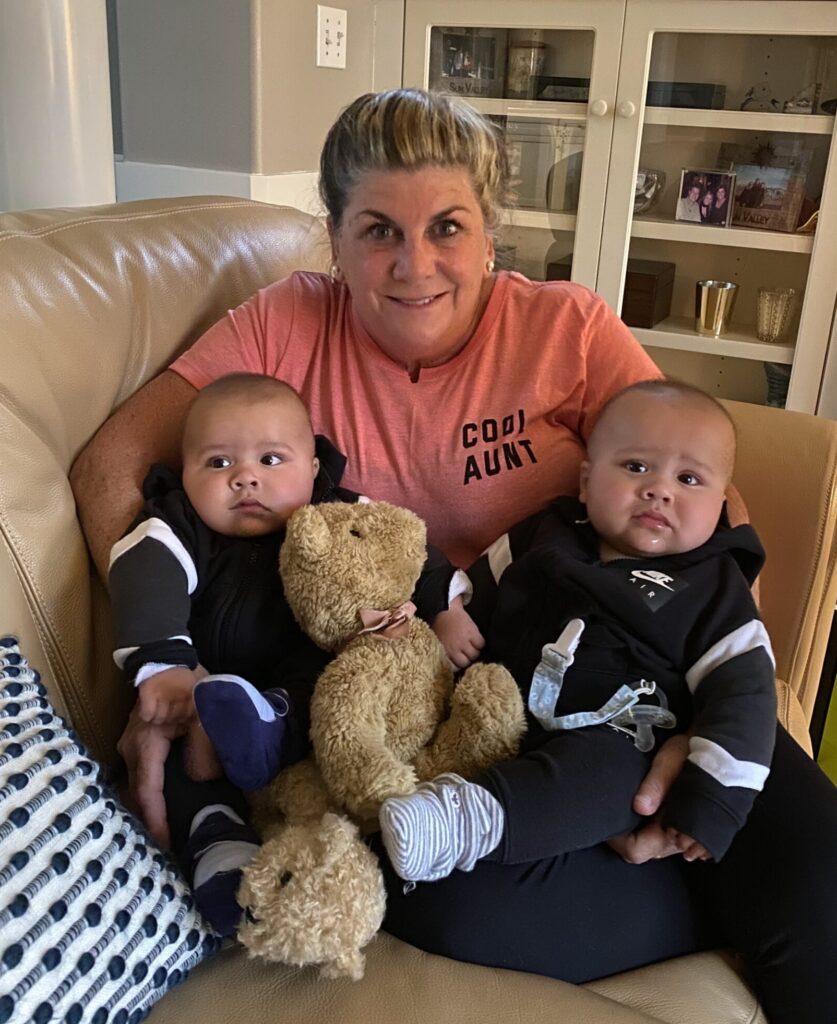
She was my aunt, and she was like a second mom to me. She spent nearly four decades in Washington public schools, from teacher to superintendent. On August 2, 2026, she died of clear cell uterine cancer. She was 67.

This September, for Gynecologic Cancer Awareness Month, I’m asking you to learn the name of the cancer that took her.
Know the Name

Clear cell uterine cancer is rare, making up fewer than 5 in 100 uterine cancers. It tends to occur in older women, often at a later stage, and is an aggressive subtype.

Susie’s story began in November 2024 with bloating and swelling in her belly. She knew something wasn’t right. She didn’t wait. That instinct sent her to the ER to have fluid drained and set off weeks of tests and biopsies. In the first week of January 2025, she was diagnosed with Stage IV cancer.

The warning sign most often linked to uterine cancer is abnormal vaginal bleeding. Susie’s first sign was bloating and swelling. Every body tells its story in its own way. Listen to your body. When something changes, say something.

Her Journey
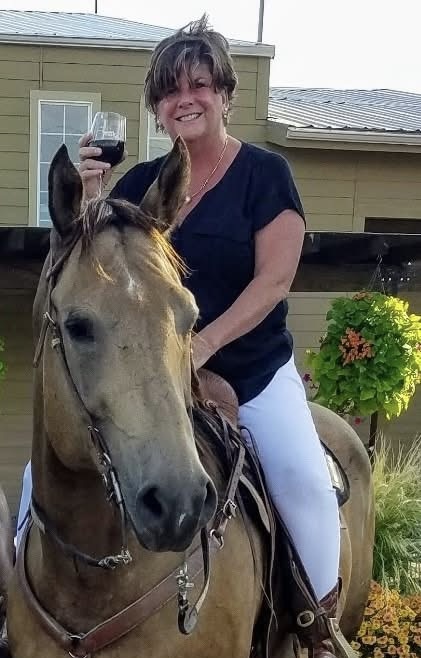
Horses were part of Susie’s life from the time she was 14.

At first, doctors thought it was ovarian cancer. Months of testing and imaging pointed elsewhere, and her April 2025 hysterectomy confirmed clear cell uterine cancer.

Chemo brought her numbers down. She lost her hair but felt pretty good. Immunotherapy slowed things. Then, in December, she joined a clinical trial. That meant a new lead oncologist, rather than the gynecologic oncologist who had treated her from the start. Answers became harder to find. She felt more like a number than a person with real concerns.

In January 2026, her numbers were the lowest they’d ever been. She wasn’t cancer-free, but there was real hope. The side effects were brutal, though — cystic acne, nausea — and she felt worse than she had on chemo. Cancer also kept showing up in her lymph nodes.

In March, she rode her horse and realized the neuropathy in her feet had become a safety issue. Horses had been part of her life since she was 14, so she boarded him elsewhere to make sure he got the exercise he deserved. Even then, she was thinking about him.

By April, her left eye was blurry, she was nauseous, and she had no appetite. She stopped the trial. Procedures were lined up one by one, starting with eye surgery on May 5. We got an appointment at MD Anderson in Houston and felt hopeful, but radiation for a new tumor on her liver came first, and she couldn’t make the trip.

In July, she checked into the ER on a Monday. By Wednesday, she learned her cancer was terminal. It had compromised her liver, and there were no treatment options left. By Friday, she was discharged. In true Susie form, she wanted every i dotted and every t crossed, and she started making her end-of-life plans.

She began hospice. Eighteen days later, she died.

My Perspective

I’m a gynecologic cancer survivor, too. I had cervical cancer. Watching Susie go through her cancer stirred up everything from my own journey. It felt unfair, painful, and devastating.

When it was my turn, Susie showed up. Weekly care packages. Constant check-ins. Tremendous support. She bought me every pineapple-printed piece of clothing and every accessory she could find. She couldn’t relate to what I was going through, but she made sure I never felt alone anyway.
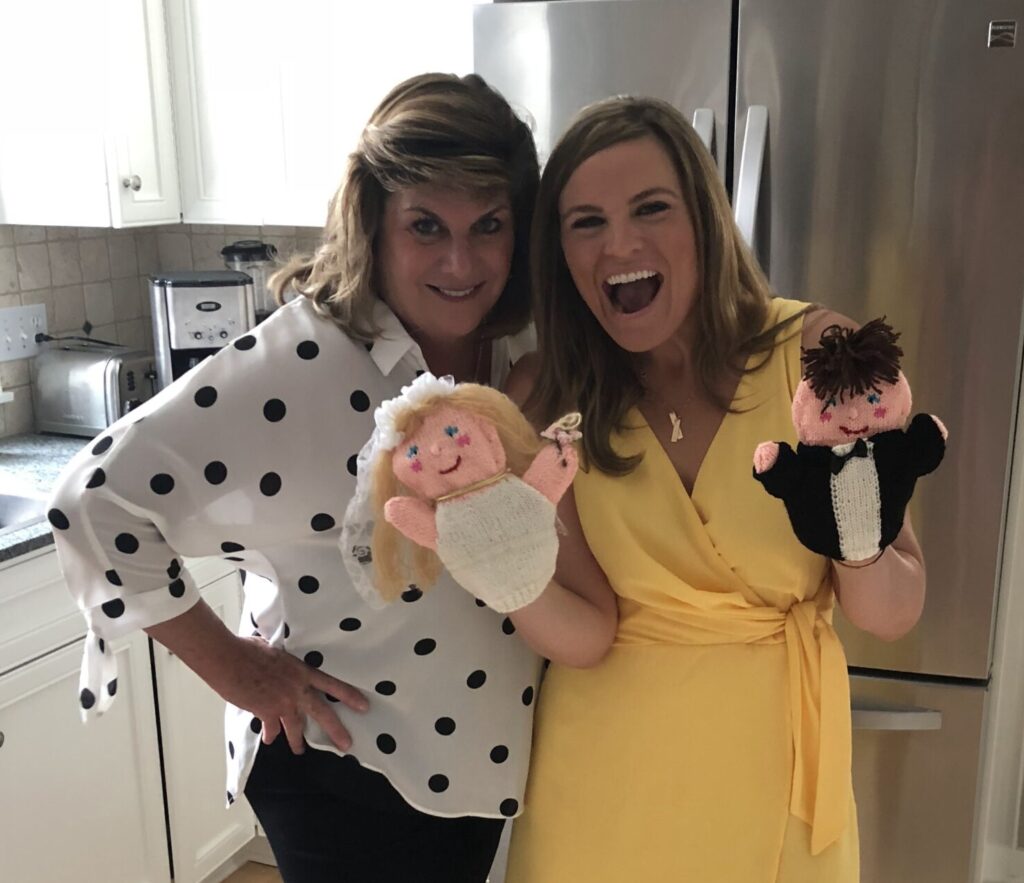
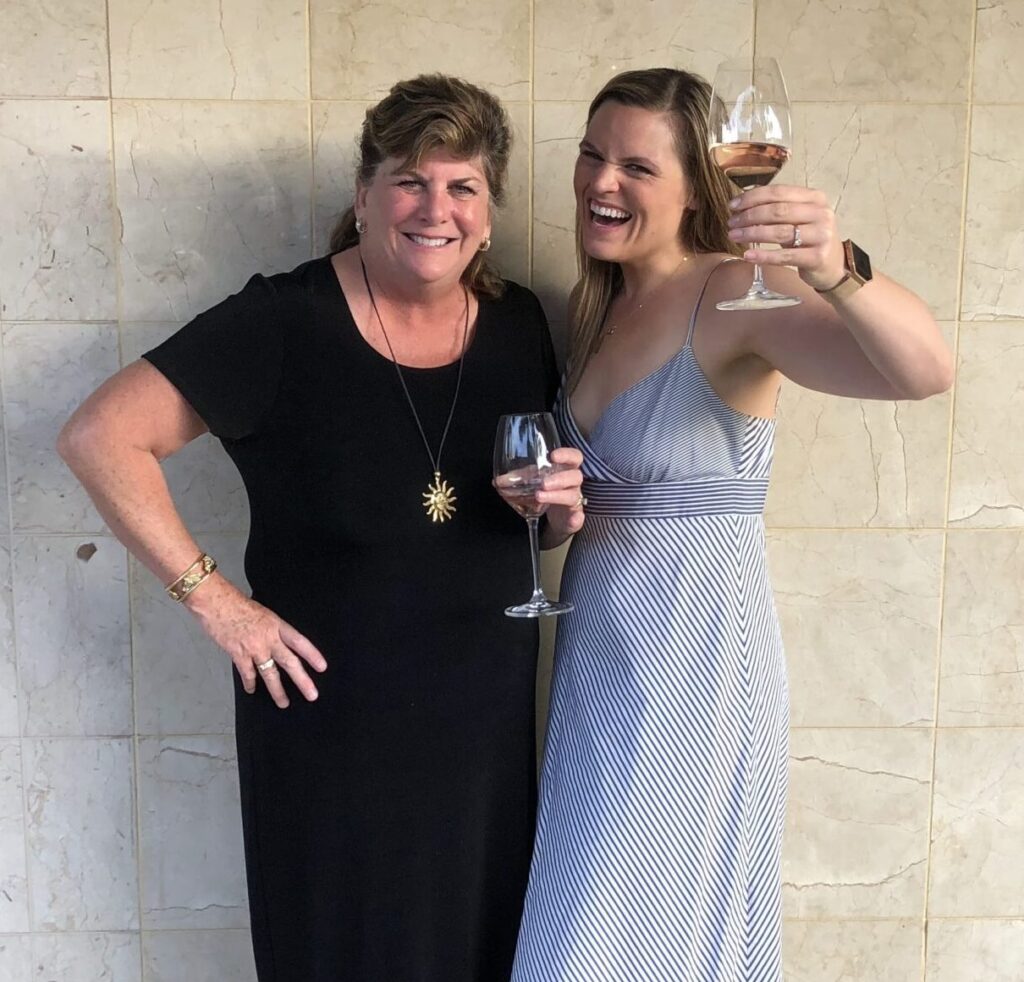
Susie and Ginny sharing one of many joyful moments together. When Ginny was going through cervical cancer, Susie made sure she never felt alone.

Then it flipped. My experience gave her someone to confide in differently during her own treatment. It brought us closer than we’d ever been.

In her last weeks, I felt hopeless and helpless. I couldn’t take her pain away. But I got to spend days with her on hospice, and I’ll cherish every one.

I’m angry at cancer. It took my dear aunt at 67, and she had so much more life to live.

What Susie Would Ask

Susie’s guiding question was: Is this helpful or hurtful?

So here’s what I think is helpful. Learn the name: clear cell uterine cancer. Know your body, and speak up when something changes. Keep asking questions until you get answers.

Susie planned everything down to the last detail. She showed up fully, every time.

This September, in her honor, I hope we all do the same — for ourselves and for each other.

About the Author
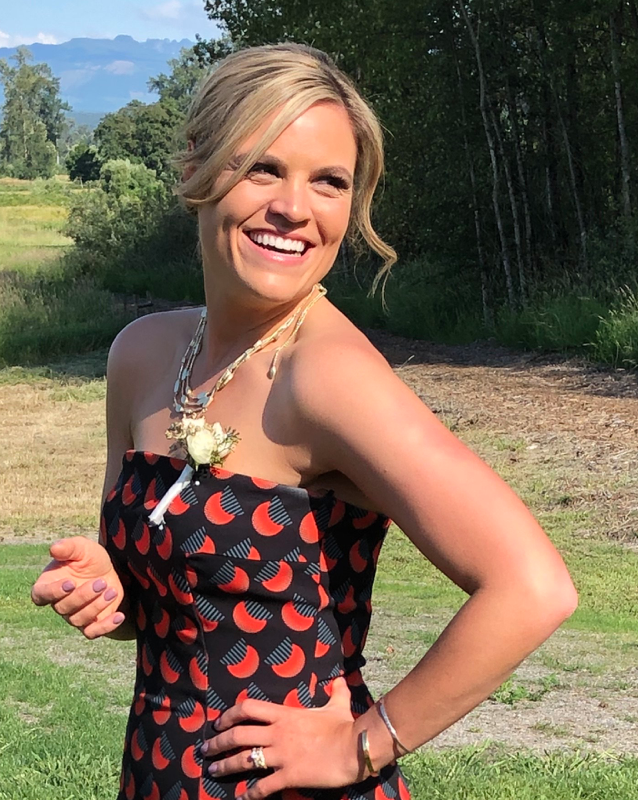
Virginia “Ginny” Marable is an eight-year Stage 2B Cervical Cancer Survivor and a health & wellness enthusiast. As a Cervivor Ambassador and Patient Advocate, she loves giving back to the cervical cancer community and beyond by sharing what she’s learned about taking charge of your health, alternative paths to parenthood, and surrogacy.

She is the founder of VM Helm, an executive coaching and HR consulting practice helping leaders move from overwhelm to opportunity with clarity, confidence, and momentum. She is particularly passionate about helping leaders navigate health crises with grace.

Virginia believes kindness is a superpower, loves to cook and travel, and is happiest spending time with her family on a beach. A Seattle native and University of Puget Sound graduate, she now calls Portland, OR home, where she lives with her husband, twin boys, and dog, Bear.
Trust In Your Care Team

My cancer posse is comprised of some of the best folks—kith and kin from around the country who rallied in April 2022 when I was first diagnosed with synchronous cervical and uterine cancers. Throughout this unchartered journey, my husband, married daughter in Mississippi and son in Massachusetts have each been effective posse leaders, giving me strength for the road, dispensing loving advice (whether solicited or not!) and serving as liaisons for meal trains, care packages and other generous support. They truly have been my first line of defense.

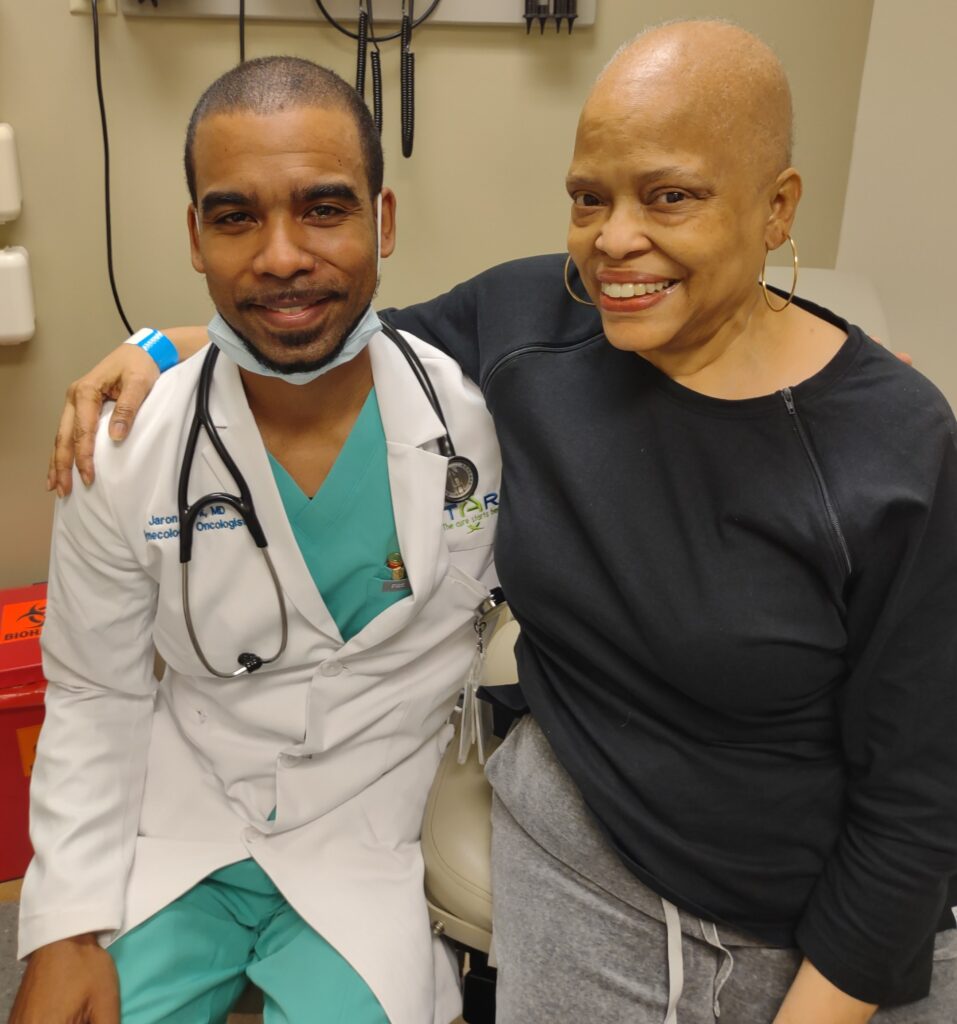
Dr. Mark and Doris

But, when I look back on this odyssey, I must admit that any success along this journey was determined by my relationship with the principal guide on this trip: my gynecologic oncologist. Captain of my medical team, he was instrumental in shepherding me through the cancer maze: treatment plans; laboratory results; side effects; scans. How blessed I am to have this particular medical professional on my posse.

Dr. Jaron Mark was referred to me after the biopsy and diagnoses. I was slightly surprised at our first consultation. The white-coated doctor who walked in and shook my hand did not appear much older than my son. A soft-spoken but confident young Black man, I was rather pleased that my oncologist would look like me, but I needed to be assured that he was ready for THIS middle-aged Black woman (who has occasionally been deemed a crusty old broad) as a patient. I recall one of the comments I made to him that day to let him understand my mind-set: “Doctor, I plan to celebrate my 100th birthday, and you’re going to help me get there!”  

He looked somewhat taken aback, but then recovered well, smiled and nodded. He seemed up for the challenge.

I was also impressed when he shared that he is an alumnus of Meharry Medical College in Nashville, Tennessee. Established in 1876, Meharry was the only medical school to admit Blacks in the South and was the training ground for generations of Black doctors. As a graduate of an historically Black institution in Ohio myself, I always feel a special bond with other such alumni. His esteem was elevated further in my eyes when I discovered he was in practice with his father. Fighting cancer is very much the family business, I suppose.

The true value of our relationship was revealed during those early months of treatment. My oncologist carefully explained every step along the road, using lay terms to describe complicated procedures. He made certain to discuss side effects while also providing realistic possibilities. He never sugar-coated information, yet maintained an optimistic demeanor. And he was proactive. Although my cervical malignancy was Stage 3b1, he informed me that the Stage 1A uterine cancer was far more aggressive and deadly. He advised that I start chemotherapy immediately after brachytherapy, delaying a scheduled family vacation to Boston. When I protested, he very gently but firmly reminded me of the need to stall the progression of the uterine serous cells. He did not arrogantly reprimand me or condescend that he was the expert and I a mere patient; he actually appeared apologetic and concerned that I have all the facts to make an informed decision (the vacation was cancelled). 

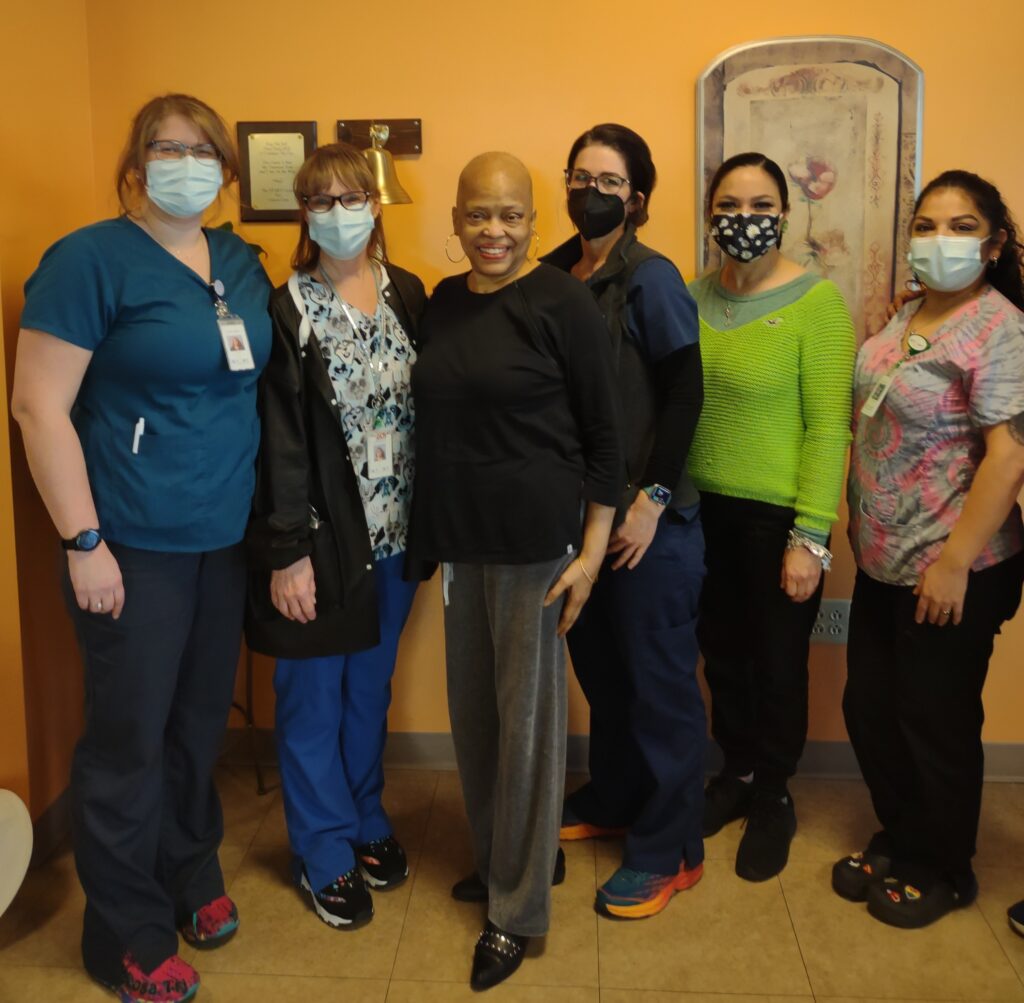
Doris and her Radiology team at the START Center 

I ended chemotherapy on January 9, 2023. A scan later that month indicated no evidence of disease. However, by June I began experiencing digestive disturbances, abdominal discomfort and appetite loss. A further scan indicated recurrence of the uterine cancer in the peritoneum. My oncologist booked me for an immediate consultation and we discussed a plan of action that included oral chemotherapy and immunotherapy. But we also discussed a “Plan B” if the desired results were not achieved. I appreciated that he did not advise repeating the treatment plan that did not work the first time. And, if the medicine still fails to eradicate the cancer cells, he does not want to waste precious time; after 3-4 infusions of immunotherapy, he will order a scan to determine effectiveness. If there are no positive results, I will then take the clinical trial route. 

I now understand why so many patients complain about the medical attention (or lack thereof) received from too many doctors and nurses. From the first meeting, I sensed that my young oncologist translated my verbal and nonverbal messages accurately. He was respectful and attentive and I reciprocated the same. Even though I was an entire generation or two ahead of him, he did not patronize or minimize. He answered every question asked, even those posed by my family members. Also importantly, his staff clearly was expected to behave similarly. When a nurse bungled some insurance issues and miscommunicated with me during the first months of treatment, I expressed my displeasure to the doctor and they were no longer employed there at my next appointment.  

When Dr. Mark shook my hand at the end of our consultation last month, he looked me squarely in the eyes, smiled and shared words of encouragement that helped boost my spirits. In that moment, an unspoken bond was reaffirmed: he was not only my doctor, but a trusted fellow combatant in this war against my own cells, a posse member who continues to accompany me up hills and down valleys along the way. I could not ask for better!

A sixth generation Texan from San Antonio, Doris Helene White earned a B.A. from Central State University in Ohio (an historically black institution) and a juris doctorate from Boston University School of Law. Her career in the government sector as a Massachusetts trial attorney reaffirmed her commitment to an equitable legal system. Her husband Steven Soares, daughter Dr. Leigh Soares and son Steven Cooper Soares lead the best “cancer posse” in the galaxy!