If you came to Susie’s house, you didn’t just arrive. You arrived at a plan.
There was a custom menu. A printed itinerary. A guest room ready before you’d unpacked. Your favorite beverage waiting in the perfect vessel. She thought about what you’d need before you knew you needed it.
Aunt Susie brought the party. She brought the fun. She knew how to make people feel special, and she was fully, authentically herself. She didn’t take any nonsense.
She was my aunt, and she was like a second mom to me. She spent nearly four decades in Washington public schools, from teacher to superintendent. On August 2, 2026, she died of clear cell uterine cancer. She was 67.
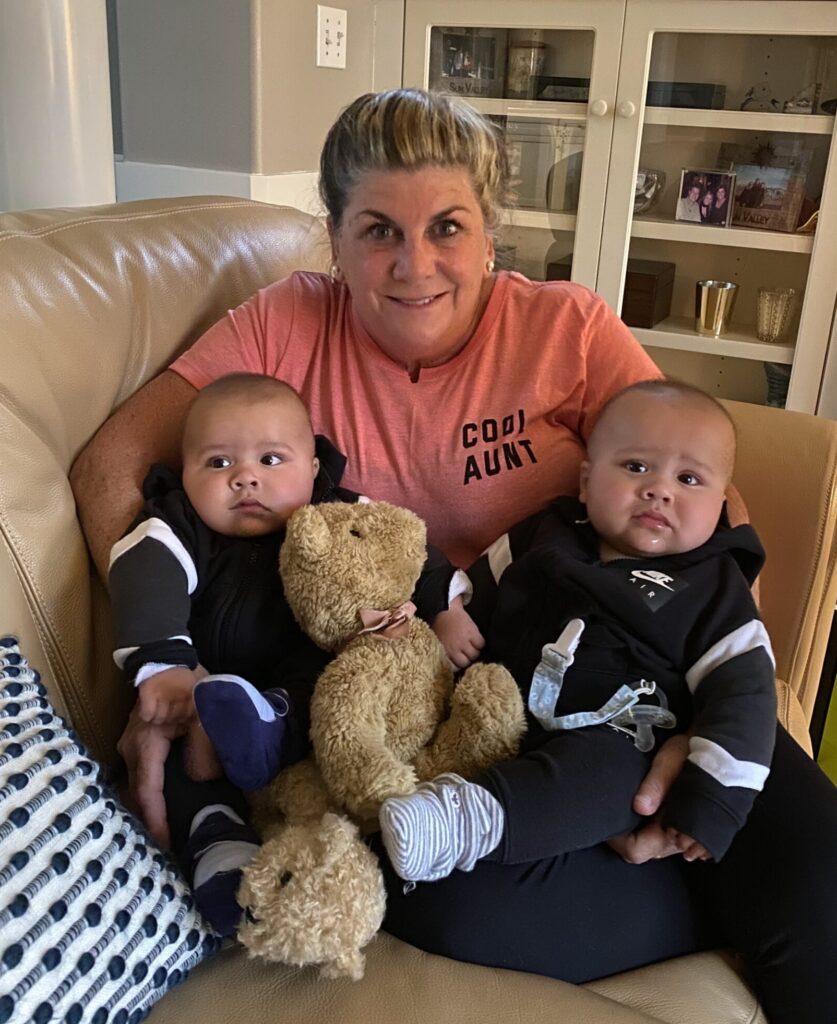
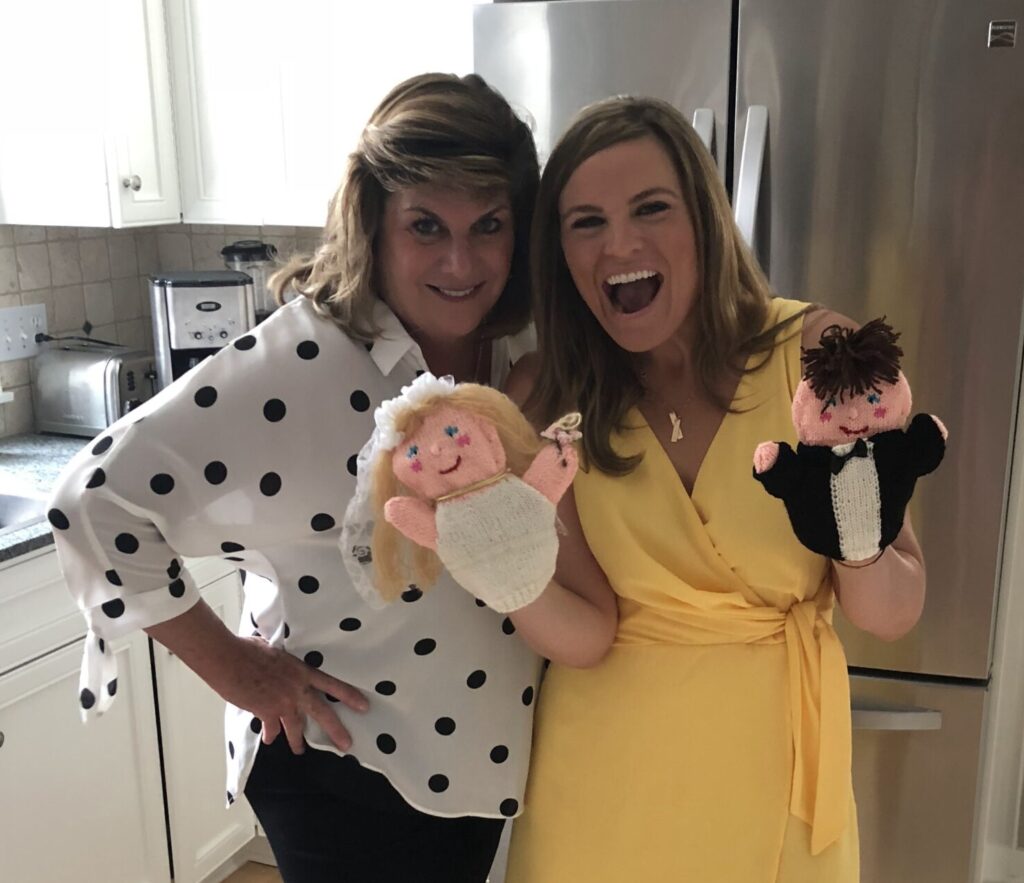
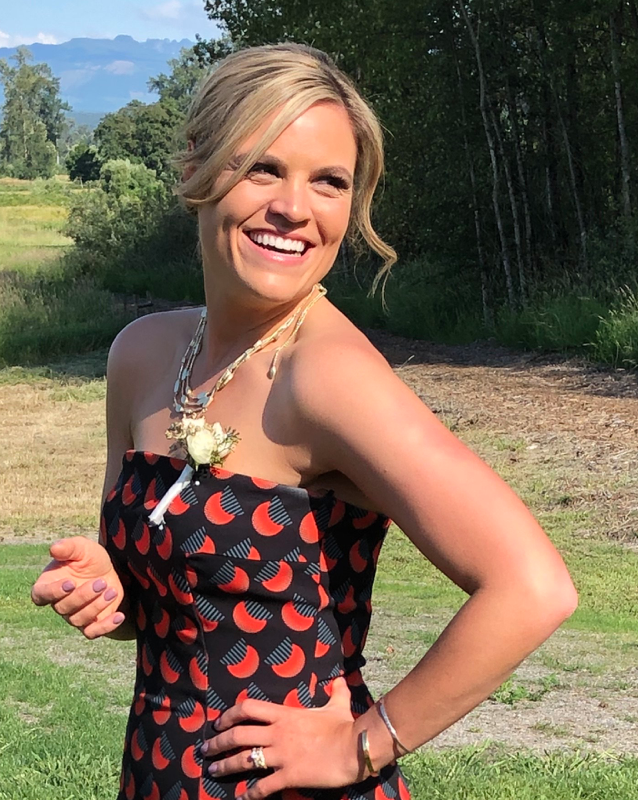
Ginny Marable with her Aunt Susie, whom she calls a “second mom.”Susie with Ginny’s twin sons, now 5, when they were infants.
Know the Name
Clear cell uterine cancer is rare, making up fewer than 5 in 100 uterine cancers. It tends to occur in older women, often at a later stage, and is an aggressive subtype.
Susie’s story began in November 2024 with bloating and swelling in her belly. She knew something wasn’t right. She didn’t wait. That instinct sent her to the ER to have fluid drained and set off weeks of tests and biopsies. In the first week of January 2025, she was diagnosed with Stage IV cancer.
The warning sign most often linked to uterine cancer is abnormal vaginal bleeding. Susie’s first sign was bloating and swelling. Every body tells its story in its own way. Listen to your body. When something changes, say something.
Her Journey
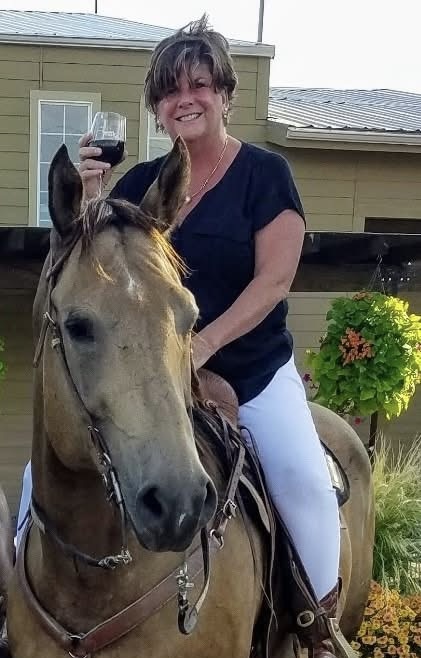
Horses were part of Susie’s life from the time she was 14.
At first, doctors thought it was ovarian cancer. Months of testing and imaging pointed elsewhere, and her April 2025 hysterectomy confirmed clear cell uterine cancer.
Chemo brought her numbers down. She lost her hair but felt pretty good. Immunotherapy slowed things. Then, in December, she joined a clinical trial. That meant a new lead oncologist, rather than the gynecologic oncologist who had treated her from the start. Answers became harder to find. She felt more like a number than a person with real concerns.
In January 2026, her numbers were the lowest they’d ever been. She wasn’t cancer-free, but there was real hope. The side effects were brutal, though — cystic acne, nausea — and she felt worse than she had on chemo. Cancer also kept showing up in her lymph nodes.
In March, she rode her horse and realized the neuropathy in her feet had become a safety issue. Horses had been part of her life since she was 14, so she boarded him elsewhere to make sure he got the exercise he deserved. Even then, she was thinking about him.
By April, her left eye was blurry, she was nauseous, and she had no appetite. She stopped the trial. Procedures were lined up one by one, starting with eye surgery on May 5. We got an appointment at MD Anderson in Houston and felt hopeful, but radiation for a new tumor on her liver came first, and she couldn’t make the trip.
In July, she checked into the ER on a Monday. By Wednesday, she learned her cancer was terminal. It had compromised her liver, and there were no treatment options left. By Friday, she was discharged. In true Susie form, she wanted every i dotted and every t crossed, and she started making her end-of-life plans.
She began hospice. Eighteen days later, she died.
My Perspective
I’m a gynecologic cancer survivor, too. I had cervical cancer. Watching Susie go through her cancer stirred up everything from my own journey. It felt unfair, painful, and devastating.
When it was my turn, Susie showed up. Weekly care packages. Constant check-ins. Tremendous support. She bought me every pineapple-printed piece of clothing and every accessory she could find. She couldn’t relate to what I was going through, but she made sure I never felt alone anyway.
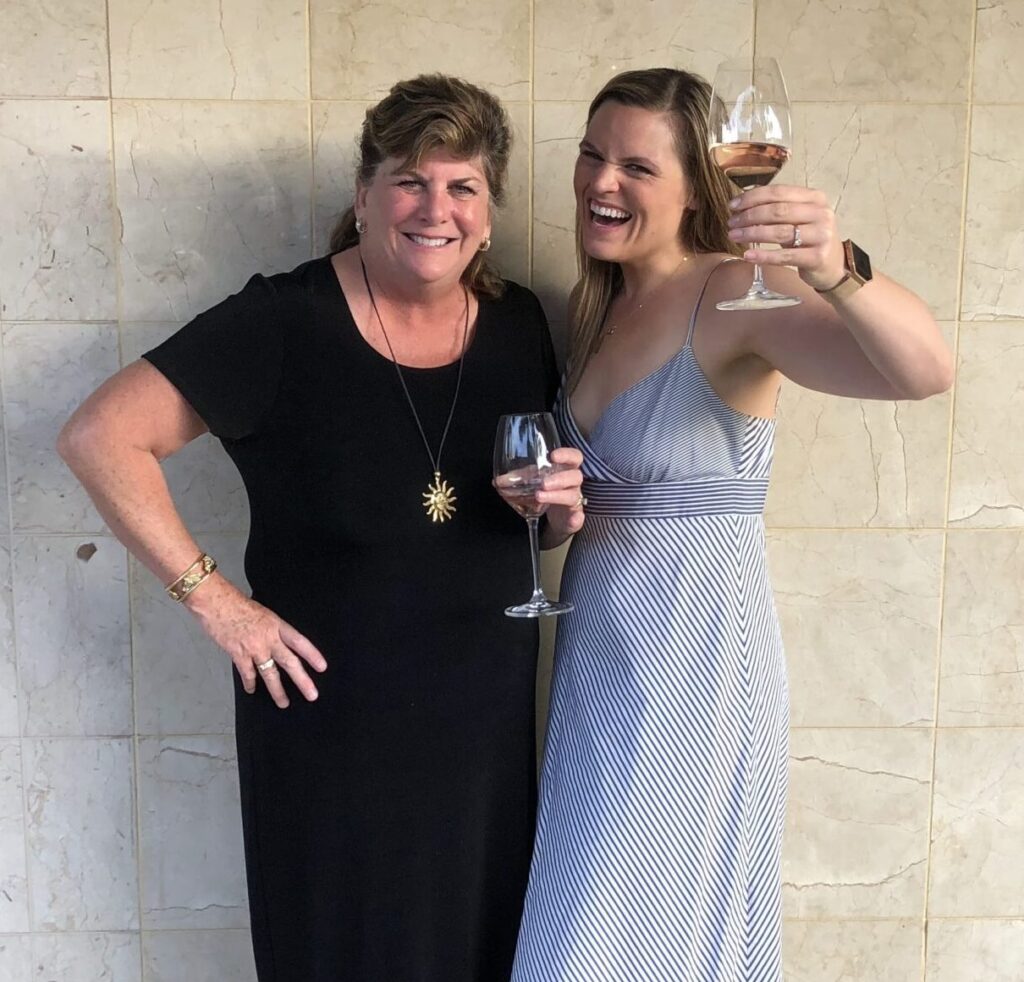
Susie and Ginny sharing one of many joyful moments together. When Ginny was going through cervical cancer, Susie made sure she never felt alone.
Then it flipped. My experience gave her someone to confide in differently during her own treatment. It brought us closer than we’d ever been.
In her last weeks, I felt hopeless and helpless. I couldn’t take her pain away. But I got to spend days with her on hospice, and I’ll cherish every one.
I’m angry at cancer. It took my dear aunt at 67, and she had so much more life to live.
What Susie Would Ask
Susie’s guiding question was: Is this helpful or hurtful?
So here’s what I think is helpful. Learn the name: clear cell uterine cancer. Know your body, and speak up when something changes. Keep asking questions until you get answers.
Susie planned everything down to the last detail. She showed up fully, every time.
This September, in her honor, I hope we all do the same — for ourselves and for each other.
About the Author
Virginia “Ginny” Marable is an eight-year Stage 2B Cervical Cancer Survivor and a health & wellness enthusiast. As a Cervivor Ambassador and Patient Advocate, she loves giving back to the cervical cancer community and beyond by sharing what she’s learned about taking charge of your health, alternative paths to parenthood, and surrogacy.
She is the founder of VM Helm, an executive coaching and HR consulting practice helping leaders move from overwhelm to opportunity with clarity, confidence, and momentum. She is particularly passionate about helping leaders navigate health crises with grace.
Virginia believes kindness is a superpower, loves to cook and travel, and is happiest spending time with her family on a beach. A Seattle native and University of Puget Sound graduate, she now calls Portland, OR home, where she lives with her husband, twin boys, and dog, Bear.
By Cervivor Communications Director Sara Lyle-Ingersoll
A gynecologic cancer diagnosis can change a person’s life in an instant. Hearing the words “you have cancer” is a universally disorienting experience — one that can divide life into a before and an after.
But the impact doesn’t stop with the person diagnosed. It reaches families, friends, caregivers, and communities. Daughters care for their mothers. A loved one’s diagnosis changes how family members think about their own health and the decisions they make about their care. And when someone dies from gynecologic cancer, those left behind carry both the loss and the memory of the person they loved.
Sometimes, those experiences become a catalyst for action. Survivors and loved ones turn what they have lived through into education, peer support, research, policy, community-building, and advocacy — working to make the path better for those who come next.
That same belief in the power of patient voices fueled Cervivor Founder and Chief Visionary Tamika Felder to start the organization 21 years ago after surviving cervical cancer.
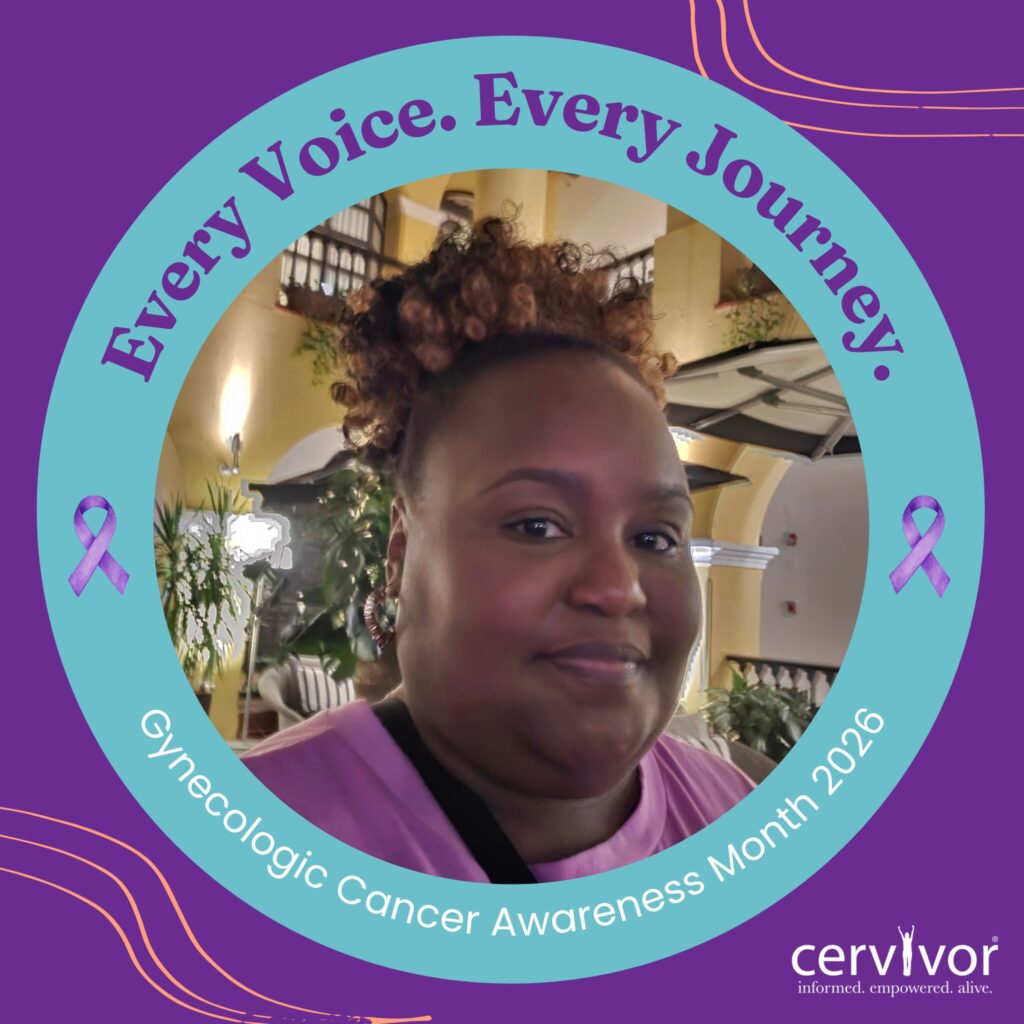
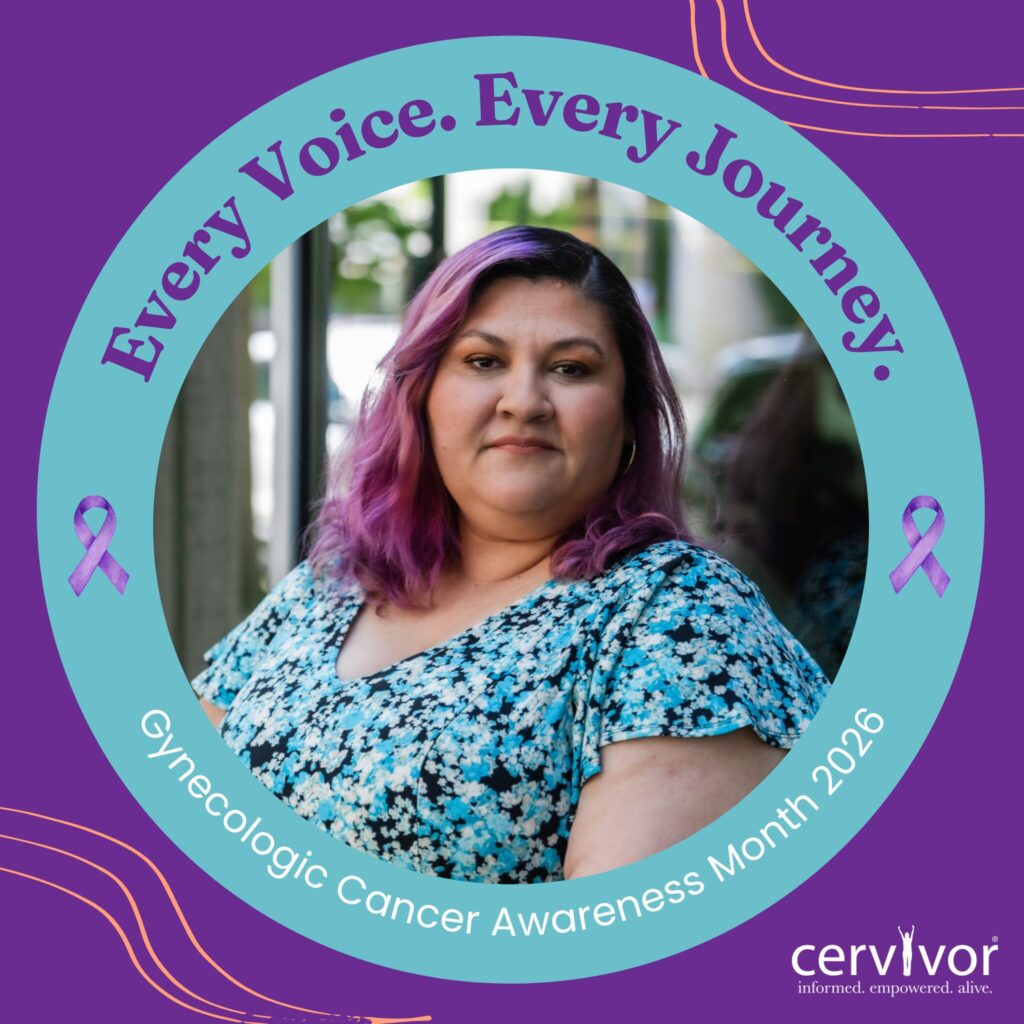
“Too many gynecologic cancers still aren’t talked about enough. That’s why every voice and every journey matters,” says Tamika, echoing Cervivor’s Gynecologic Cancer Awareness Month (GCAM) 2026 theme. “When survivors share their stories, they raise awareness, help others recognize the signs, and inspire action that can lead to prevention, earlier diagnoses, and better outcomes.”
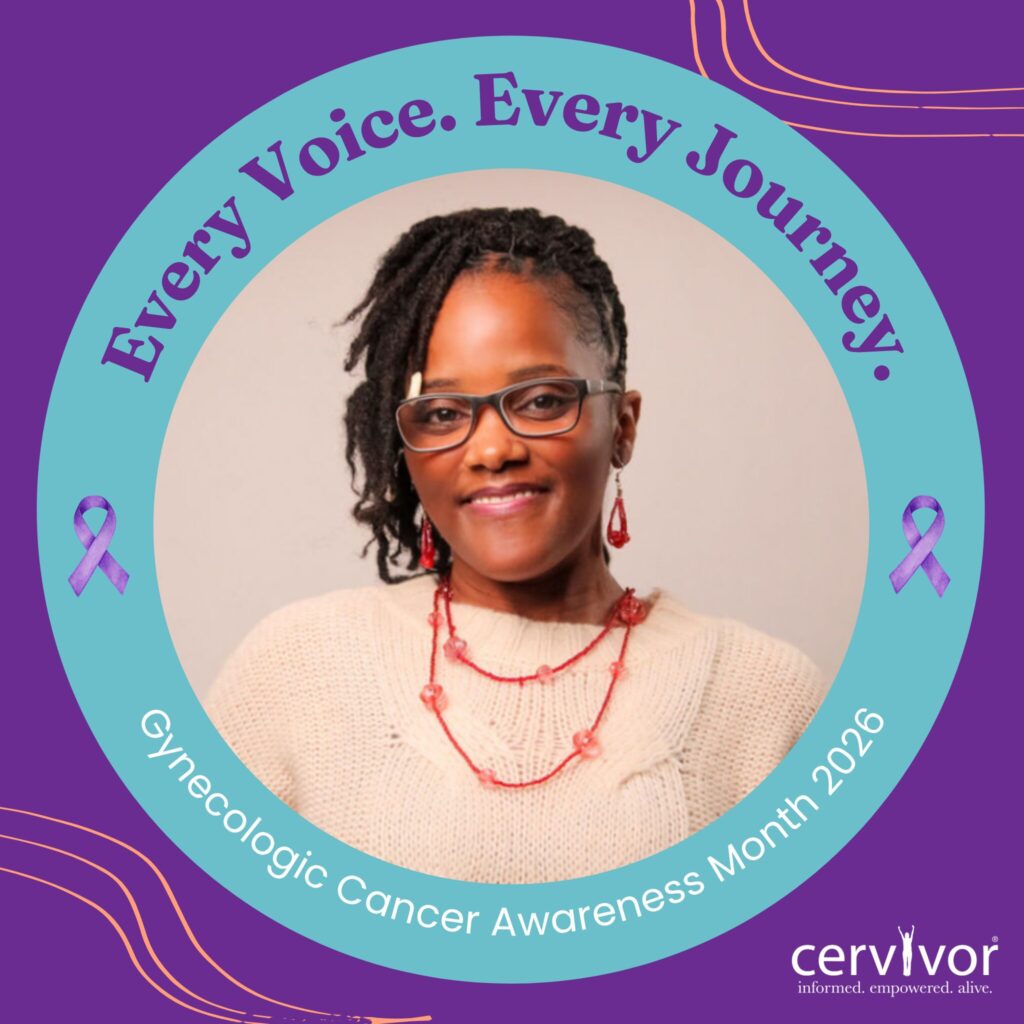
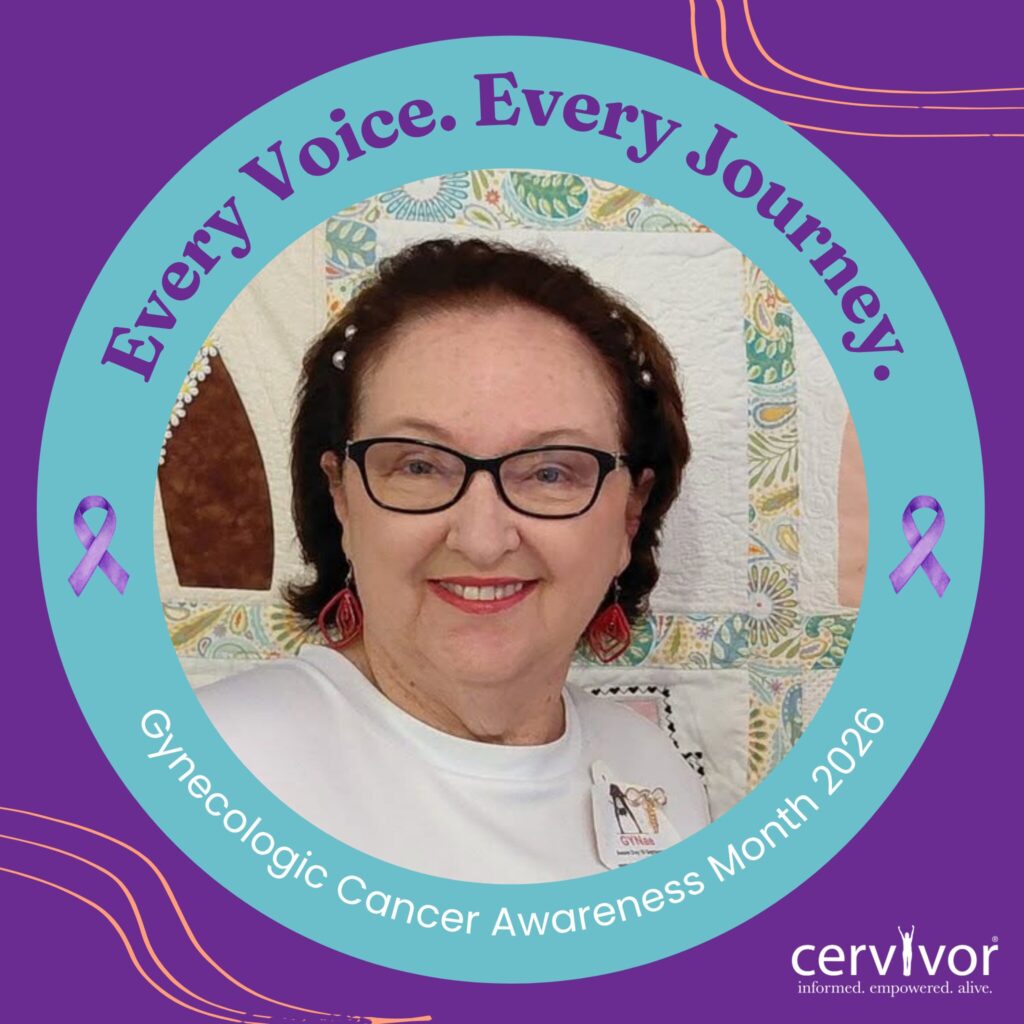
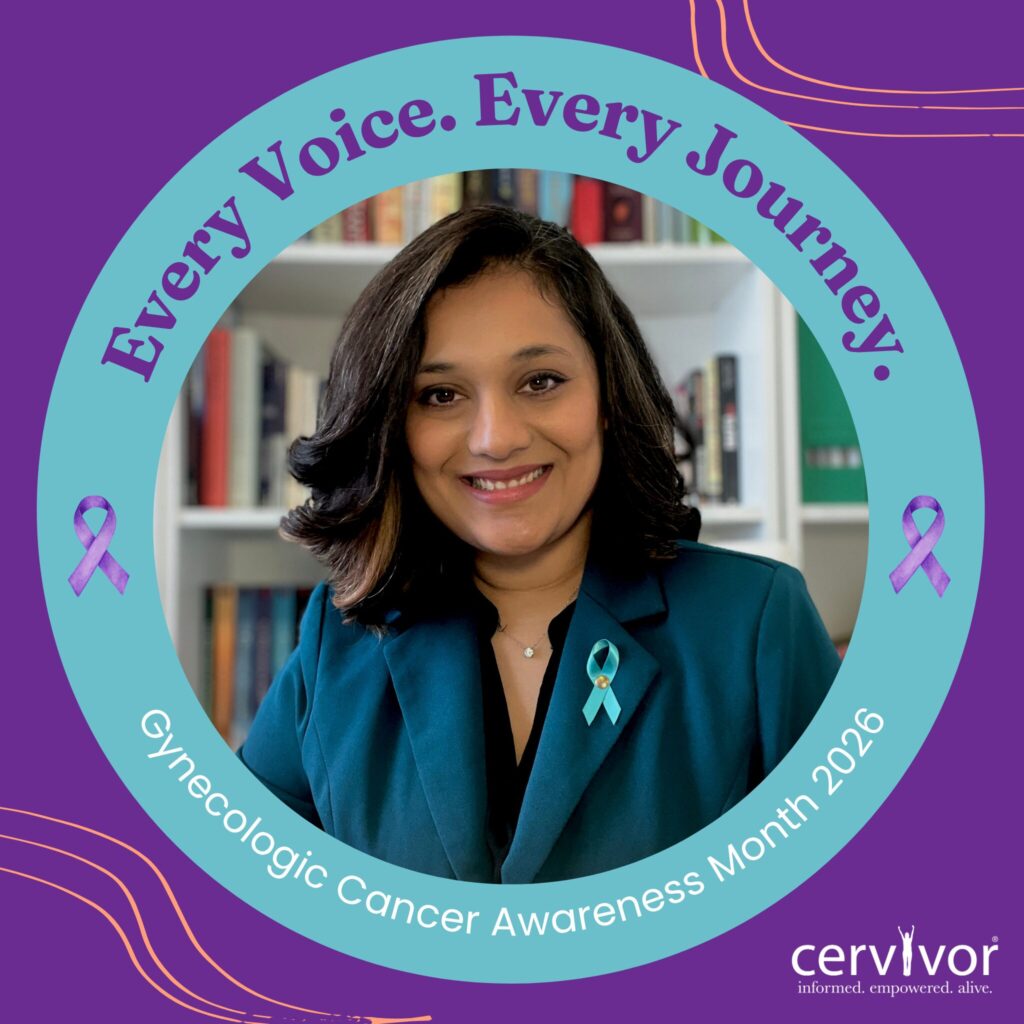
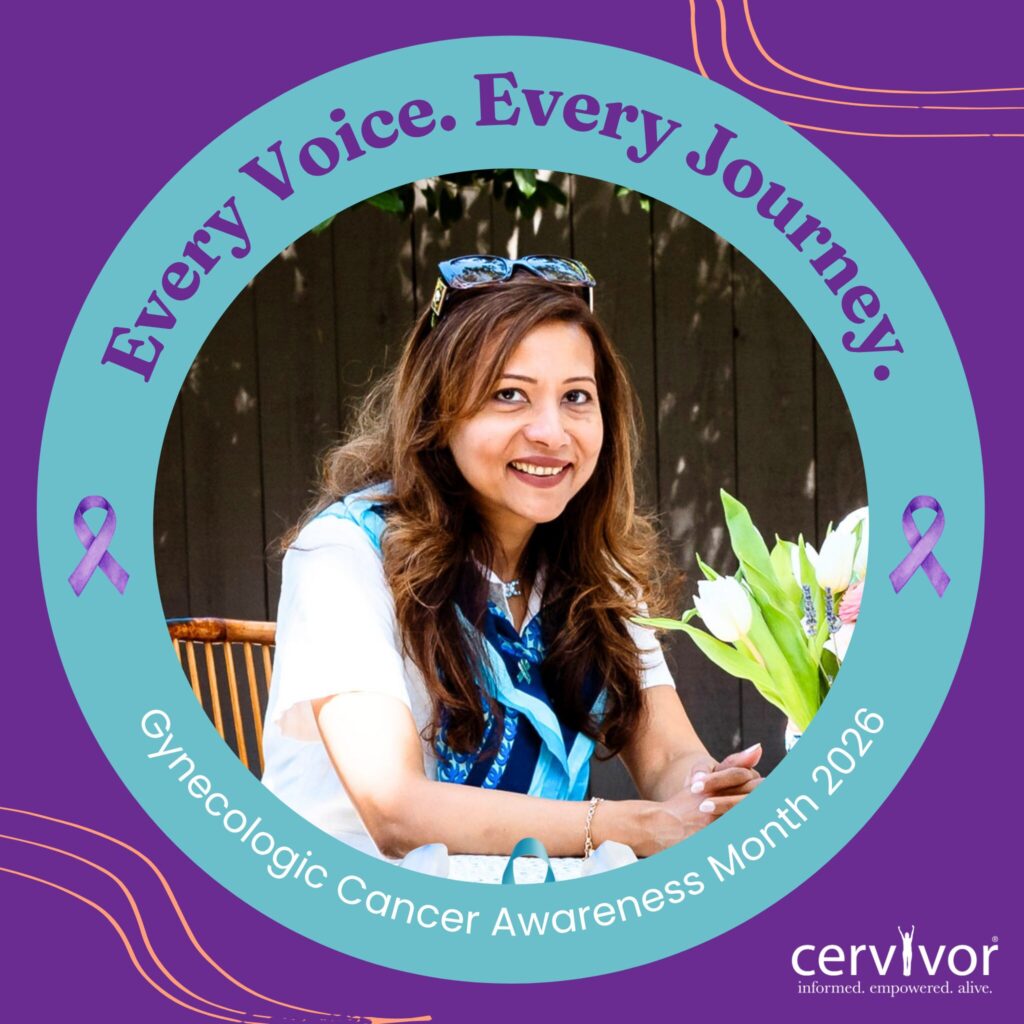
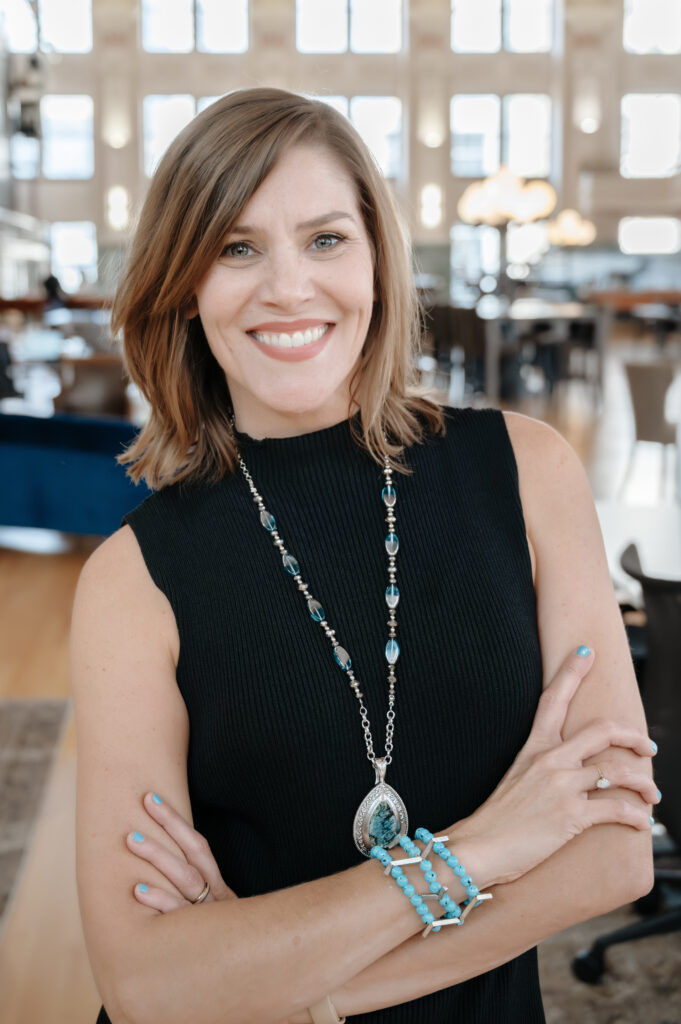
Throughout the month, Cervivor has been elevating the voices of people whose lives have been changed by different gynecologic cancers — and who are using those experiences to improve the lives and outcomes of others. Read on to meet seven people moving gynecologic cancer advocacy forward.
Naomi Aziz: Advocating for Young Patients to Be Heard
Naomi Aziz was just 27 when she was diagnosed with Stage IVB endometrial cancer in 2018, after experiencing prolonged menstrual bleeding for nearly a year. She was forced to confront the loss of her fertility and the future she had envisioned for herself.
Her age makes her experience particularly striking: The average age at endometrial cancer diagnosis is 60, and the disease is uncommon in people younger than 45, according to the American Cancer Society.
After more than five years of treatment, Naomi found a way to turn grief and uncertainty into action. Today, her advocacy emphasizes symptom awareness, equitable access to specialists and clinical trials, survivorship, and making sure younger patients are part of the conversation.
“There is growing recognition that lived experience is essential, and that patients should not simply be included in these conversations; they should help shape them.”
When Adrienne Moore was diagnosed with Stage III endometrial cancer in 2016, she went looking for answers — and couldn’t find them. A respiratory therapist and longtime patient and caregiver educator, she realized she could use both her professional skills and lived experience to help other Black women recognize symptoms, ask questions, and communicate more confidently with their healthcare providers.
That mission is urgent. The American Cancer Society reports that although Black women are less likely than white women to be diagnosed with endometrial cancer, their death rate from the disease is nearly twice as high.
Adrienne’s advocacy also carries the memory of her late cousin, Cervivor Ambassador Teolita Rickenbacker, a 2017 Cervivor School graduate who lived with Stage IV cervical cancer and advocated on Capitol Hill. Adrienne told Cervivor that participating in this GCAM feature was one way she could honor her cousin.
“Our patient voice creates a powerful ripple effect: As individuals share their experiences, vital information spreads throughout the community.”
For Kath Mazzella OAM, an Australian advocate awarded the Medal of the Order of Australia (that’s the “OAM” after her name) for her service to women’s health, advocacy began with a cancer people were barely willing to name.
Kath says a lump near her clitoris was dismissed for about 18 months before she was diagnosed with vulvar cancer. After undergoing extensive treatment, she was struck by how little people knew about vulvar health—and by the shame and silence surrounding women’s genital health.
Before ovarian cancer, Alvina Nadeem understood complex systems through her work in engineering, change management, human-centered design, and digital transformation. Then she became the person trying to navigate one.
“I understood the ‘pipes,’ so to speak: how systems are designed, coordinated, implemented, handed off, and changed,” Alvina says. “Cancer made me understand the ‘water.’”
Suddenly, professional concepts became lived experiences. She saw firsthand the gap between healthcare as designed and as experienced — and how often patients and families are left to bridge it.
Today, Alvina advocates for recognizing lived experience as a “form of systems intelligence.” Patients cross boundaries between clinicians, hospitals, researchers, and other parts of healthcare, giving them insight into gaps that institutions may not see.
“Healthcare should not be designed around the most capable version of the patient,” Alvina says. “If a system works only because the patient can research, remember, coordinate, and advocate through its gaps, that is what the engineer in me would call a design problem.”
After all, she says, “We don’t expect water to flow where the pipes don’t connect.”
Runsi Sen’s path to advocacy began beside her mother. As she helped her navigate ovarian cancer, Runsi experienced the anxiety, uncertainty, complicated decisions, and isolation that can accompany a diagnosis—and the helplessness of watching someone she loved rapidly succumb to the disease.
After her mother died, Runsi made a promise to carry her legacy forward by supporting other women and families affected by ovarian cancer. That promise became Ovarcome, an organization focused on education, support, research, equity, and access.
Her experience also taught her that advocacy doesn’t belong only to patients and survivors.
“Care partners are instrumental in ensuring quality of care for those in treatment. They are the silent yet unwavering force behind Ovarcoming. They should be given a seat at the table. Always.”
Nefa-Tari Moore: Three Cancer Journeys, One Powerful Voice
As both a nurse and a three-time uterine and ovarian cancer thriver, Nefa-Tari Moore brings what she calls “authentic authority” to her advocacy — encouraging women to trust their instincts, ask difficult questions, and push back when their concerns are dismissed.
Her advocacy spans education, peer support, health equity, and systemic change, with a particular focus on ensuring Black women are represented in gynecologic cancer care, research, and advocacy. In 2025, the International Gynecologic Cancer Society recognized her work with its Dicey Scroggins Distinguished Advocate Award.
“Ensuring Black women’s voices and experiences are centered in gynecologic cancer care, research, and advocacy isn’t just about equity—it’s essential for saving lives.”
Claudia Pérez-Favela: Putting a Face to the Statistics
Five years before Claudia Pérez-Favela faced cervical cancer herself, her mother died just 17 days after being diagnosed with ovarian cancer.
That loss shaped how Claudia approached her own diagnosis and treatment. When she needed a radical hysterectomy, she chose to have her ovaries removed, too, because she feared facing the disease that had taken her mother. She later learned that she carries a BRCA2 mutation.
Claudia initially wondered whether her experience was even hers to share. Her perspective changed after attending Cervivor School in 2023. The following year, she received Cervivor’s Rising Star Award in recognition of her growing advocacy within the Hispanic community and the broader movement to end cervical cancer.
Today, her advocacy continues to grow. She recently penned an Imperial Valley Press op-ed promoting HPV vaccination as cancer prevention, and was selected for Cancer Nation’s 2026 Leadership Academy, where she is continuing to build the skills and connections to turn her lived experience into broader change.
“I have learned that it is very important to put a face to the statistics and that every story matters, including my own.”
Every Story Can Move Us Forward
There is no single path from cancer to advocacy. It can begin with a diagnosis, a delayed diagnosis, caring for someone you love, losing someone you love, or simply recognizing that what happened to you should be different for the person who comes next.
What connects these advocates is their willingness to speak — and to turn lived experience into something larger.
That is at the heart of Cervivor’s GCAM 2026 theme:
Our Stories. Our Movement. Every Voice. Every Journey. Every Gynecologic Cancer.
Later this month, Cervivor will put that theme into action at its first-ever Gynecological Cancer Survivors Retreat and Advocacy Training, September 24 to 27 in Scottsdale, Arizona. Powered by Cervivor School, the special retreat expands beyond cervical cancer to welcome survivors of all gynecologic cancers and build community through shared experience, education, and advocacy training.
Cervivor Cares for Caregivers, Too
As Runsi and Claudia’s stories remind us, gynecologic cancer affects more than the person diagnosed. Caregivers and loved ones often navigate their own uncertainty, questions, and emotions while supporting someone through diagnosis, treatment, and survivorship.
If you’re caring for or supporting someone facing a gynecologic cancer diagnosis or survivorship, you don’t have to navigate that role alone. Cervivor’s private Caregiver Support Community on Facebook offers a space to connect with others who understand the challenges, questions, and emotions that can come with supporting someone you love.
About the Author
SARA LYLE-INGERSOLL is a content and communications expert dedicated to transforming lived experiences into impactful stories. Her award-winning magazine feature about a close friend who died from cervical cancer in their twenties led her to Cervivor, and solidified her commitment to cervical cancer awareness and prevention. Now, as Cervivor’s Communications Director, Sara brings this mission full circle.