A Recipe for Joy: Breast Cancer Survivorship and Laughter Yoga

By Simone Monique Barnes
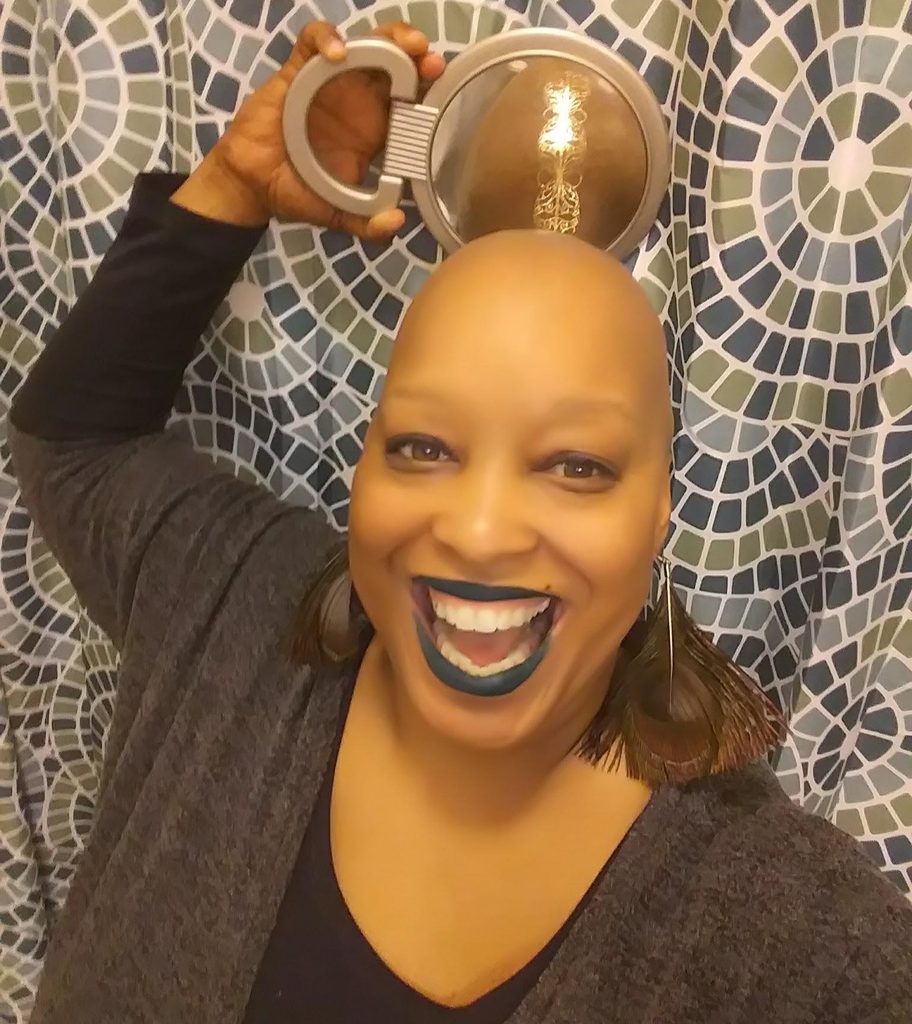
Simone Monique Barnes, a breast cancer survivor and Certified Laughter Yoga Teacher

It’s officially autumn. At this time of year, I find joy in trying old and new recipes — enjoying the smell and taste of pumpkin bread, hot apple cider, butternut squash soup, and other goodies from the fall harvest season.

Fall also brings the memory that it was the season when I met my medical oncologist after an annual mammogram showed that the tiny lump I found was actually triple-negative breast cancer (TNBC), an aggressive form of breast cancer with high rates of recurrence and mortality.

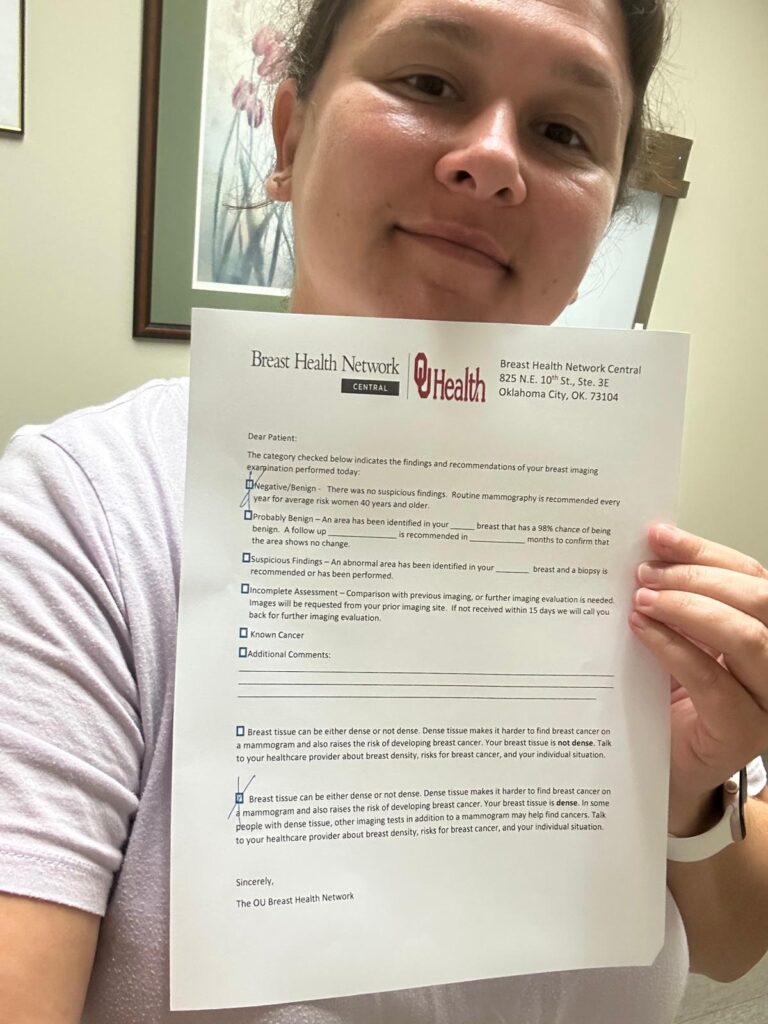
Fall was the beginning of several hard seasons of chemo, surgeries, and radiation treatments. Fall continues to be the season when I get an annual mammogram and a pelvic ultrasound and wonder whether or not they’ll call me back into “the room” because they’ve seen something unusual.

Fall is also the season that I remember how many of my loved ones have been taken by and impacted by this family of diseases: cancer. It’s easy to emotionally spiral about life’s miseries. So fall is also the time of year that reminds me about the importance of recipes to nourish my spirit.

Finding Joy After Breast Cancer

Every day, I remember the words of one of my favorite poems, “To Build a Swing,” by the 14th-century Persian poet, Hafiz. The poem’s first and last stanzas always stay with me:

“You carry

All the ingredients

To turn your life into a nightmare —

Don’t mix them!

…

You carry all the ingredients

To turn your existence into joy,

Mix them, mix

Them!”

I have all the ingredients to turn my life into a nightmare. But I don’t have to mix them.

But the realities of cancer treatments, side effects, grief, death, and loss … where can joy be found in that? The truth is joy and suffering are no strangers; they are well acquainted. We don’t have to pretend we aren’t sad about some things. We also don’t have to neglect our joy.
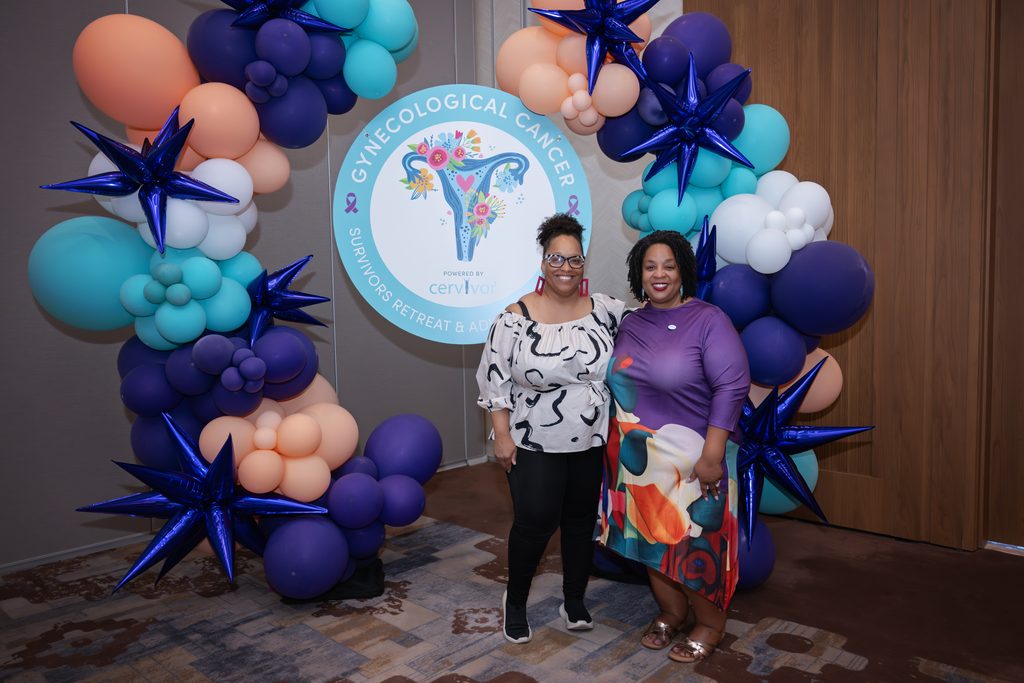
Simone with Cervivor Founder and Chief Visionary Tamika Felder at the 2026 Gynecological Cancer Survivors Retreat & Advocacy Training Powered by Cervivor School in Scottsdale, AZ.

In the kitchen, my favorite wooden spoon, the good spatula, and a perfectly sized cast iron pan tend to be tools that I regularly use to cook recipes I’ve come to love. I also keep a list of my favorite restaurants, those whose food and service keep me full.

But we don’t survive and thrive on food alone. I also have to nourish my spirit to have the energy to sustain me throughout the day.

Laughter Yoga: A Tool for Joy During Cancer Survivorship

One of my favorite tools to use to mix the ingredients that bring joy into my life is Laughter Yoga. It is a practice that began in India over thirty years ago with physician Dr. Madan Kataria.

Laughter Yoga is the union of unconditional laughter and pranayama, deep yogic breathing. It is a series of exercises that evoke laughter and silliness, along with different methods of breathing.

I often teach and talk about Laughter Yoga exercises in the cancer world. Laughter and cancer? Absolutely.

One of my favorites is “Crying Laughter.” During this exercise, we pretend to wipe our faces downward with sadness and crying, and then a moment later, we pretend to wipe our faces upward with happiness and laughter, then repeat those movements several times.

Crying, then laughing. Laughing, then crying.

It’s a good reminder that it’s okay to cry, and it’s okay to laugh. We’re strong enough to handle both, even during the same season.

As the Rev. Dr. Martin Luther King, Jr. would say, “It is often necessary to laugh in order to survive.”

Making Room for Happiness

One of the merits of this practice is that we never need to leave ourselves feeling down. We can always find joy that isn’t reliant on our circumstances to pick ourselves up.

While uncontrollably losing all of my hair during chemo was hard, I recall how fun it was to play with colorful lipsticks, large earrings, and gold rub-on tattoos on my head. (You can see one in the mirror I’m holding up in the first photo above.)

We often spend a lot of time managing our anger, our stress, our grief, our depression. I’ve learned that it’s important to manage my happiness, too. I look for happiness daily. It’s what makes my joy sustainable.

Being in a room full of cancer survivors at conferences or support groups sharing the painful truths about their experiences brings tears and heartbreak. It also brings hugs that are genuine, laughter that is real, dance moves that are outstanding, and a sense of connection between us all. (Plus the sponsored swag bags are usually next level. Ooh, la, la.)
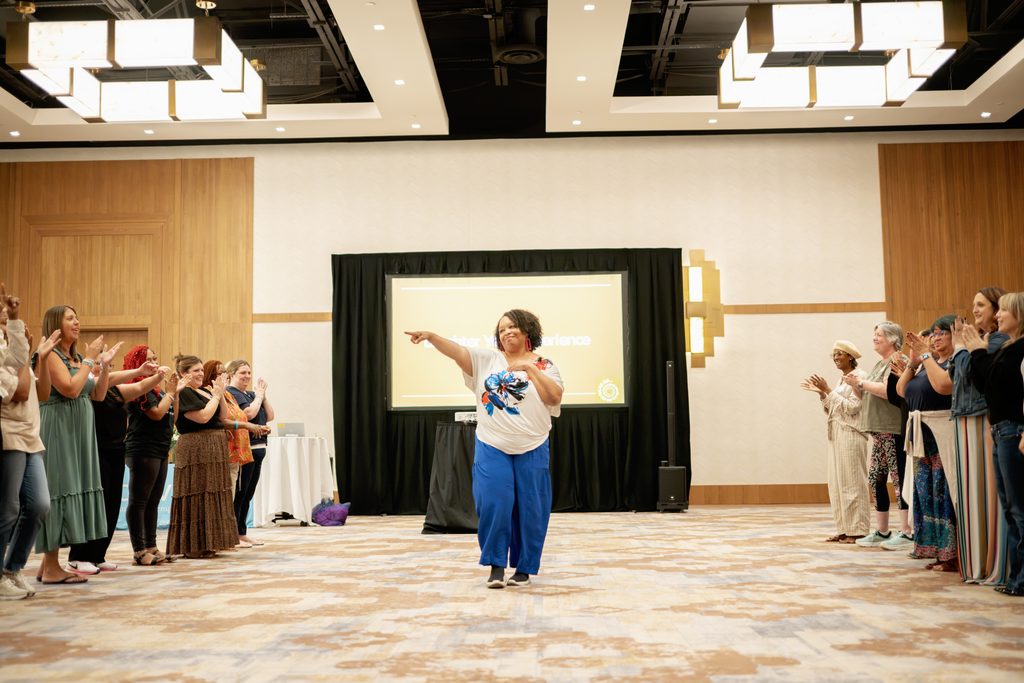
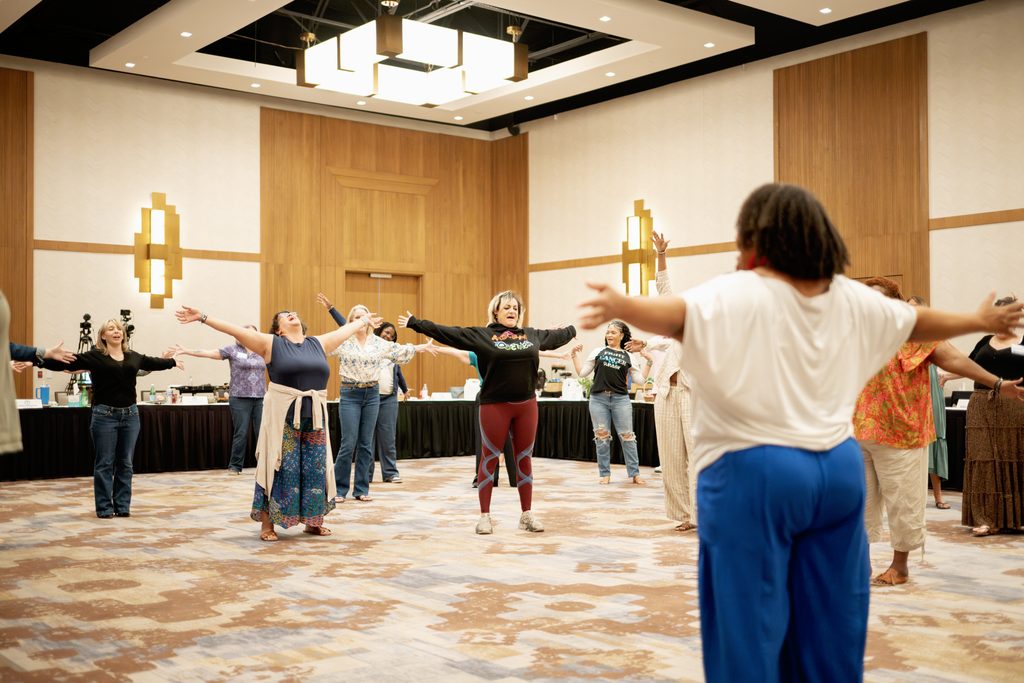
The ingredients for pain and sorrow are easy to find. We know where they are. Any cancer survivor or their co-survivor can rattle off their list of pain, suffering, and loss, be it physical, mental, emotional, or social. But joy sometimes requires a little work. It needs to be cultivated. 

In Laughter Yoga, we often quote philosopher and psychologist William James (1842–1910), who wisely taught, “We don’t laugh because we’re happy; we’re happy because we laugh.”

Laughter Yoga-Inspired Recipes for Joy

So, here are some Laughter Yoga-inspired recipes for joy:

  • Take a deep breath in, hold it for five counts, then laugh your exhale out.
  • Set a timer and laugh for a whole minute nonstop.
  • Laugh quietly, trying not to make any noise.
  • Laugh at every red light or stop sign on your way to and from anywhere.
  • Pretend to laugh with someone on your cell phone. (Hint: No one knows there isn’t anyone on the other end of the fake phone call.)
  • Laugh until you cry. Cry until you laugh. (Fake laughter and fake crying count.)
  • Dance to music that inspires you to move your body. Dance to silly songs. Dance to songs that groove. Dance to songs that stir you to feel deep within.
  • Let your clothing be an outlet for vibrant expression. Sway that scarf in the air. Wear the fun and beautiful things.
  • Laugh until you begin to remember what joy feels like in your body. If it doesn’t remember, try again later. And keep trying.
  • Then, remember what else made you feel that joyous way, and go do it. (Even if it’s a modified version of it.)

You have all the ingredients for joy. Mix them. Mix them!
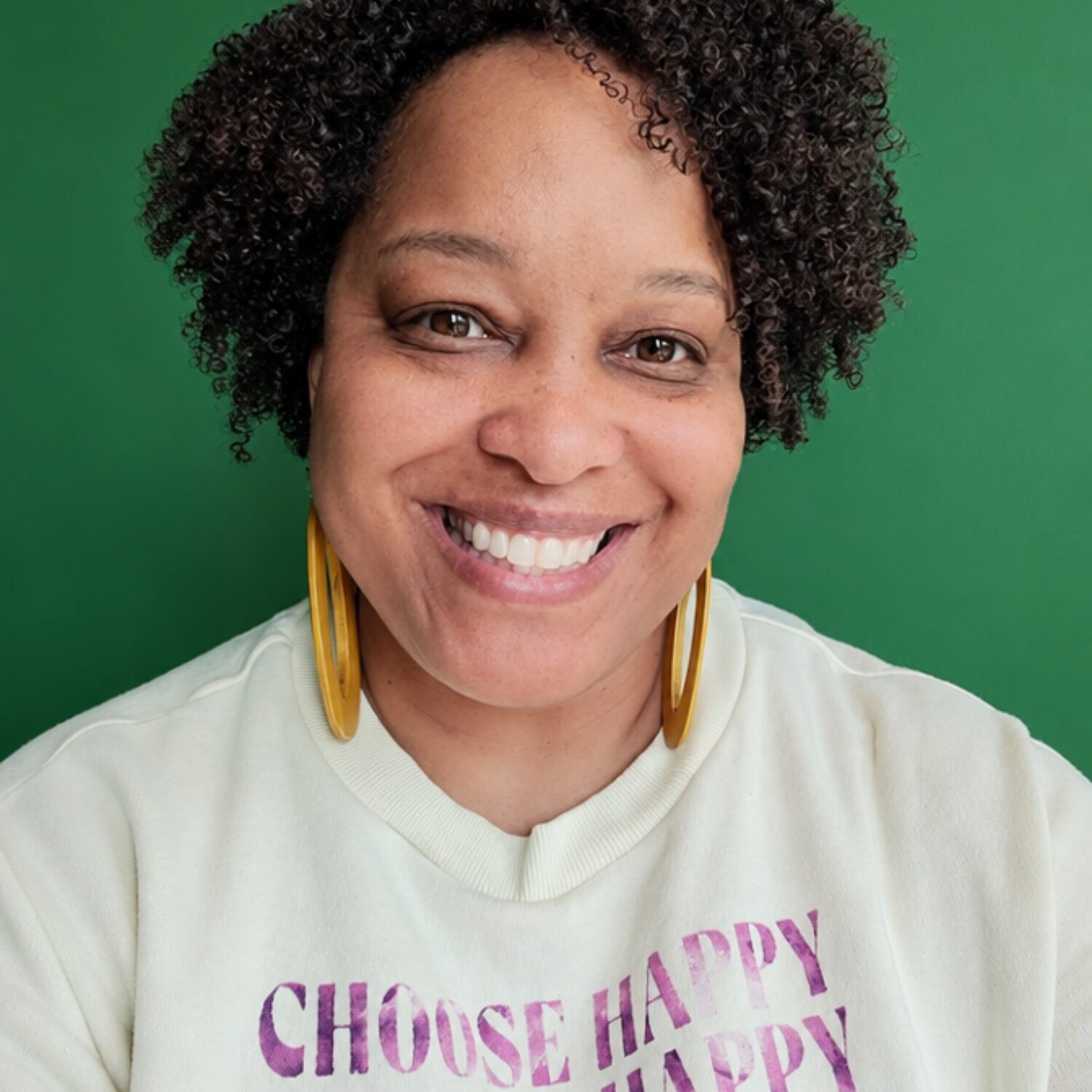
Simone Monique Barnes is a Certified Laughter Yoga Teacher and a Triple Negative Breast Cancer Survivor, observing more than eight years of what she calls “no shark sightings at the beach” (which her doctors call “No Evidence of Disease,” or NED). Simone regularly speaks, teaches, and preaches about the importance of having joy practices, especially in hard times. She uses Laughter Yoga as fuel to have the energy to do good work and to stay in good trouble. You can find her at SimoneMoniqueBarnes.com or on Instagram @simonemoniquebarnes 
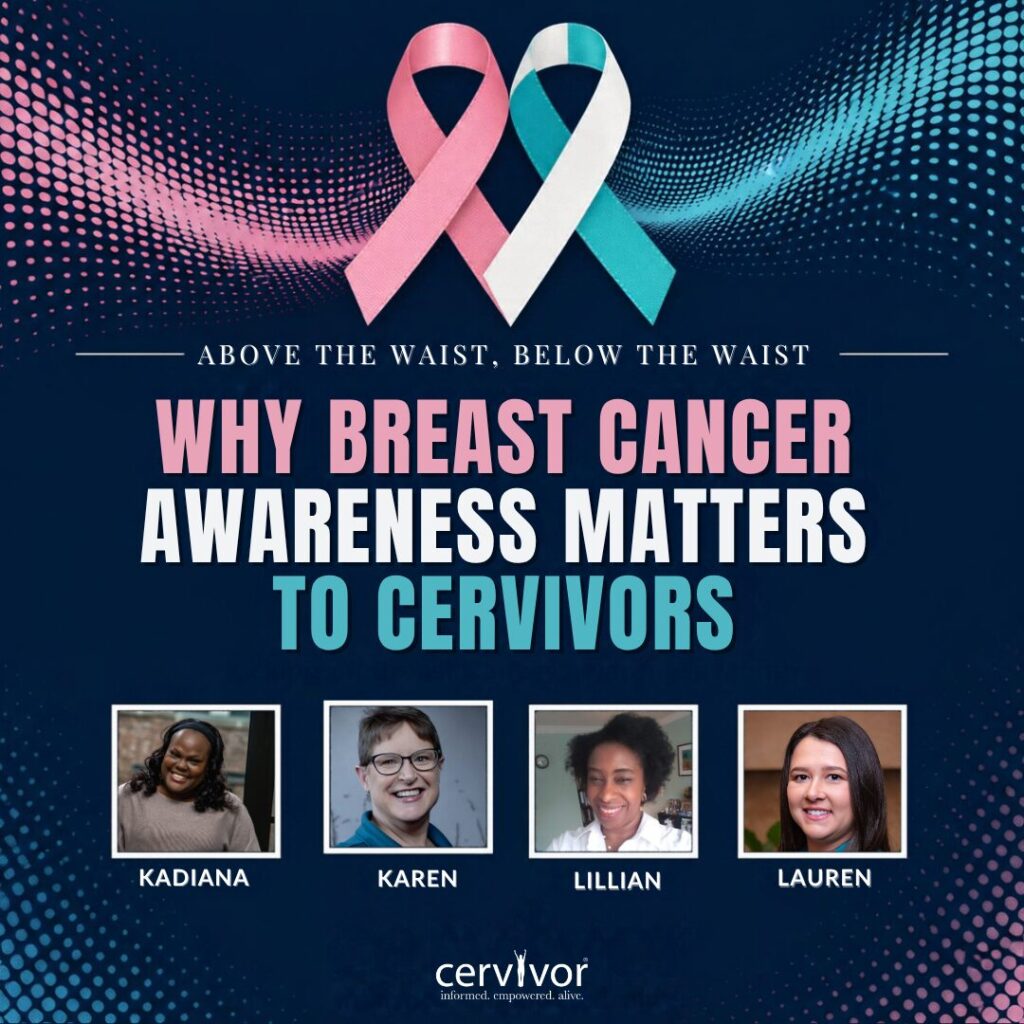
Above the Waist, Below the Waist: Why Breast Cancer Awareness Matters to Cervivors

By Kyle Minnis, Cervivor Communications Assistant

October is Breast Cancer Awareness Month, and you might wonder why a cervical cancer community like Cervivor cares so much. The answer is simple: Our stories don’t fit neatly into one diagnosis, one organ, or one month on the calendar.

Many cervical cancer survivors — a.k.a. Cervivors — have lost mothers, grandmothers, sisters, and friends to breast cancer. Some have faced both cancers themselves. And many of the same barriers that can stand between someone and a Pap or HPV test — including cost, lack of insurance, and distance to care — can also keep them from getting a mammogram.

In 2026, an estimated 321,910 women in the U.S. will be diagnosed with invasive breast cancer, while an estimated 13,490 women will be diagnosed with invasive cervical cancer. Behind every one of those numbers is a person, a family, and a community. This month, we’re sharing the stories of Cervivors whose lives have been touched by both cancers, along with resources that can help you or someone you love access screening and care.

Where Our Stories Intersect

For some Cervivors, the connection to breast cancer is another diagnosis. For others, it’s a genetic risk, a family history, or an unexpected moment when cervical cancer care opens the door to breast care. Their stories show just how differently — and deeply — these cancer communities intersect.

Karen’s Story: Breast and Cervical Cancer

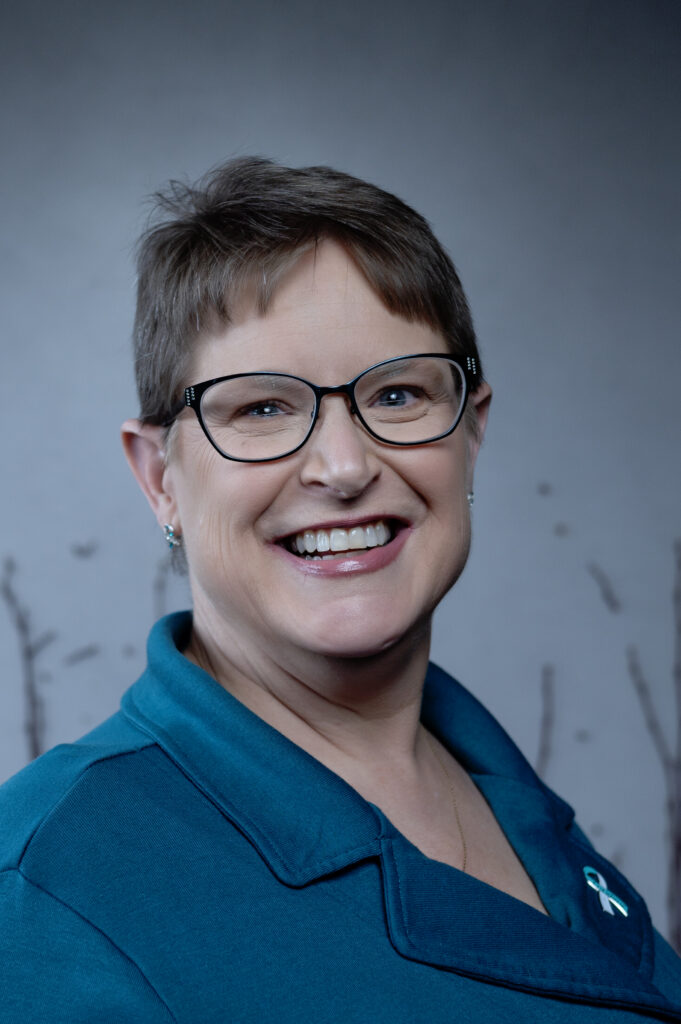
Karen North

Cervivor Ambassador and SGM/LGBTQIA+ Lead Karen North, BSN, RN, was 46 when a routine mammogram found her breast cancer. She chose a double mastectomy and didn’t need further treatment. Eighteen months later, she was diagnosed with cervical cancer.

Having faced both, Karen believes cancer communities need to show up for one another. “There are too many people being diagnosed, in treatment, dying, and scared of a recurrence,” she said.

For her, October should focus on what matters most: “prevention, screening, access to treatment and aftercare.”

Karen also wants cancer awareness to include everyone it affects, including people with a cervix who don’t identify as female. “Everyone deserves to feel seen, respected, and included when it comes to cancer awareness, prevention, and care,” she says. “There are too many barriers with cancer and gender shouldn’t be one of them.”

Kadiana’s Story: Survivor to Previvor

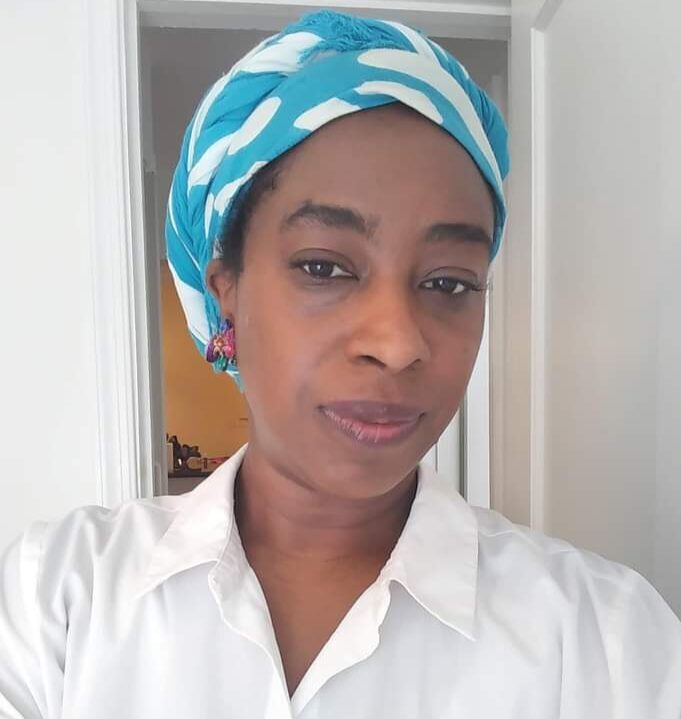
Kadiana Vegee

In 2020, Cervivor Ambassador and Caribbean Liaison Kadiana Vegee was in treatment for cervical cancer when her doctor suggested genetic testing because of her family history. She learned she carries a BRCA1 mutation, increasing her breast cancer risk.

“It was a lot to take in because I was already dealing with cervical cancer,” she says, noting her 32 rounds of external radiation, 6 rounds of brachytherapy, and 6 cycles of chemotherapy. “But at the same time, I’m grateful I had that information because it gave me the opportunity to make decisions about my health instead of waiting for something to happen.”

Kadiana ultimately chose a preventive double mastectomy without reconstruction. “I didn’t want to live constantly wondering if breast cancer was going to be the next thing I had to face,” she says. “I chose my health and my peace of mind.”

Today, she is both a cervical cancer survivor and a breast cancer “previvor.” Her advice to others who learn they carry a BRCA mutation is to give themselves time, ask questions, and make the choice that is right for them.

Lillian’s Story: Loss, Survival, and Advocacy

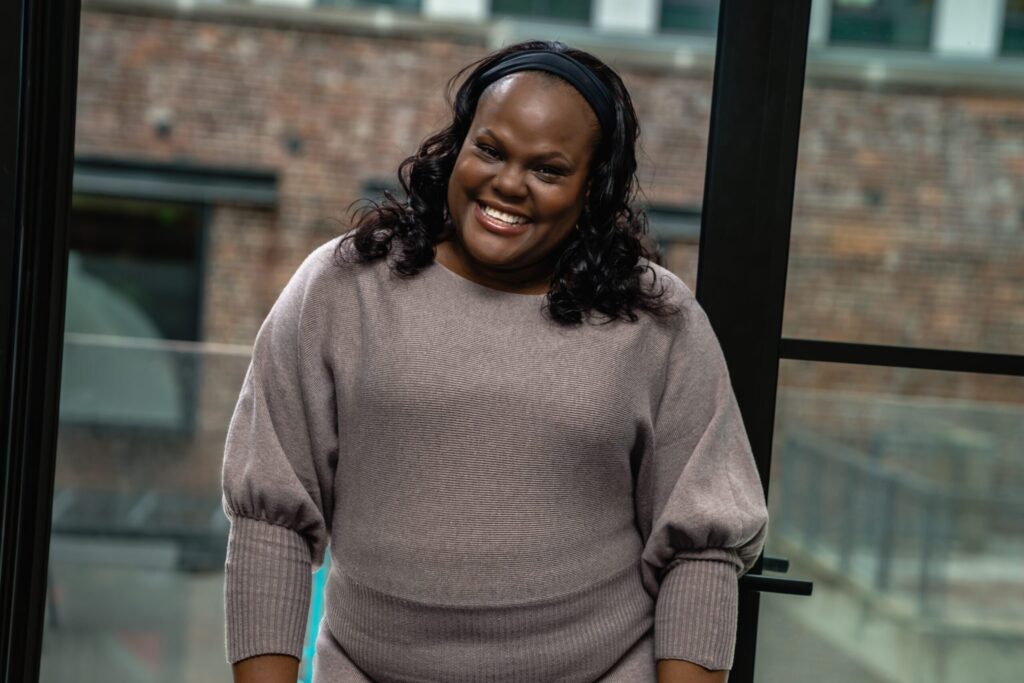
Dr. Lillian Walker Shelton

Mental health therapist Dr. Lillian Walker Shelton, Ed.D., LPC, LCPC, ACS, lost her mother to cervical cancer in 1996, when the disease and its connection to HPV were still widely misunderstood. Lillian recalls a doctor asking whether her mother had been a prostitute — a question so disturbing that her grandmother filed a formal complaint.

Years later, after moving to Washington, D.C., Lillian met Cervivor Founder and Chief Visionary Tamika Felder and trained as a cancer advocate through Tamika & Friends, as the organization was originally named. That training became vital when Lillian was diagnosed with breast cancer in 2020 and again in 2022. Today, she is living with metastatic breast cancer.

Her mother, she says, never felt empowered to advocate for herself. Lillian approaches her own care differently: “I know that my life depends on my advocacy.”

After her cancer spread to her bones, Lillian experienced two broken legs and a hip replacement between 2022 and 2025. She has learned to ask for help and lean on family, friends, and therapy. Her message to other survivors is simple: “You can’t do cancer alone.”

Lauren’s Story: When Screening Connects

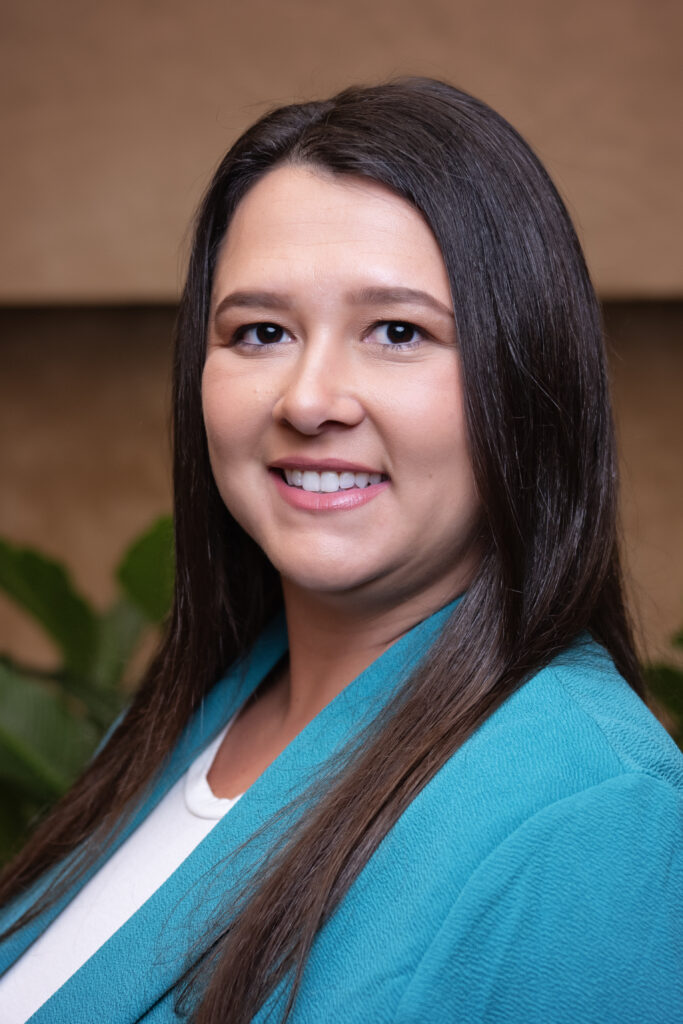
Lauren Lastauskas

Cervivor Program Coordinator Lauren Lastauskas is a cervical cancer survivor with a strong connection to breast cancer: Her maternal grandmother died of a recurrence, and Lauren later helped care for a sister-in-law diagnosed with stage 3 HER2-positive breast cancer.

When Lauren was uninsured, she received her cervical cancer follow-up care through Take Charge, Oklahoma’s branch of the National Breast and Cervical Cancer Early Detection Program. At one visit, a provider asked whether she had noticed any breast changes. Lauren mentioned a new nipple discharge. “Through my own cervical cancer experience and many friends and family dealing with breast cancer, I knew I had to speak up!”

The provider referred the then-32-year-old Lauren for a diagnostic mammogram, which came back clear. “I only got that clear result because of my cervical cancer screening and the federally funded breast and cervical program,” she says.

Access wasn’t easy: Lauren drove about an hour and a half for her Pap test and another hour and a half for the mammogram. The experience, she says, “reiterated the importance of advocating for yourself and mentioning any and all problems to a health provider.”

The Program Behind Lauren’s Story: The NBCCEDP

The CDC’s National Breast and Cervical Cancer Early Detection Program (NBCCEDP) provides free and low-cost breast and cervical cancer screening and diagnostic services to people with low incomes who are uninsured or underinsured.

Early detection can make a profound difference: Five-year relative survival is more than 99% for localized breast cancer and 91% for localized cervical cancer. That makes access to screening especially important for people who might otherwise go without it, like Lauren.

The program works through state, tribal, and territorial public health departments across the country, so the name and the places you can go will vary by state. Since 1991, it has served more than 6.7 million women and provided more than 16.8 million breast and cervical cancer screening exams. Those exams have found more than 82,000 invasive breast cancers and 5,400 invasive cervical cancers, plus more than 259,000 cervical precancers caught before they could become cancer.

If cost or insurance is standing between you and a mammogram or a Pap/HPV test, visit the CDC’s NBCCEDP page (link above) to find your state or tribal program. 

Partners in the Work: The Promise Fund

Some organizations already see breast and cervical cancer as one fight. The Promise Fund, based in West Palm Beach, FL, works to increase survivorship from both cancers. It was founded in 2018 by former U.S. Ambassador Nancy G. Brinker, who also founded Susan G. Komen after losing her sister to breast cancer.

Promise Fund Navigators provide women with one-on-one guidance from screening through diagnosis, treatment, and completion of care. They help remove barriers by arranging transportation, providing translation, answering insurance questions, and connecting women with mammograms, Pap tests, HPV testing, and other essential services at little or no cost. Through partnerships with health-care providers and community organizations, the Promise Fund serves women across Palm Beach, Broward, and Martin counties.

Ambassador Brinker is also a 2024 Cervivor Champion Award recipient and shared her insights with our community at the 2025 Cervical Cancer Summit Powered by Cervivor, Inc. Watch her talk here — it’s a good one!

Cervivor’s Commitment

Cervivor was built to give a voice to people affected by cervical cancer. That mission has never meant caring about only one part of a person’s health. Our community members are whole people, with whole bodies and whole families, and the cancers that touch them don’t respect boundaries.

As our founder Tamika explains: “At Cervivor, we care about the cancers above the waist just as much as the ones below it. So many of our members have watched breast cancer take someone they love, or have faced it themselves. Breast Cancer Awareness Month is our month too.”

Throughout October, we’ll be sharing stories, resources, and reminders to help our community stay informed and screened.

What You Can Do This Month

Awareness means the most when it turns into action. This October, we’re asking our community to:

  • Schedule your mammogram, and check whether your Pap or HPV test is due too.
  • Speak up about any changes you notice, even if you’re at an appointment for something else.
  • Look up free or low-cost screening through the NBCCEDP if cost is a barrier.
  • Share this post with someone who may be putting off screening.
  • Tell us your story if breast cancer has touched your life.

Informed. Empowered. Alive. That applies to every part of us. 

About the Author

The image is a portrait of a young man with dark skin and short, curly black hair. He is wearing a blue collared shirt and black-framed glasses, and is smiling at the camera.
The man has dark skin and short, curly black hair.
His hair is cut close to his head, with a slight fade at the sides.
His eyebrows are thick and well-groomed.
He is wearing a blue collared shirt.
The shirt is a medium blue color and appears to be made of a lightweight material.
It has a relaxed fit and is buttoned up to the top.
He is also wearing black-framed glasses.
The frames are rectangular in shape and have a subtle curve at the temples.
The lenses are clear and do not appear to have any tint or coating.
The man is smiling at the camera.
His smile is wide and genuine, showing off his white teeth.
His eyes are crinkled at the corners, giving him a friendly and approachable appearance.
The background of the image is a plain gray color.
The gray is a medium tone, neither too light nor too dark.
It provides a neutral backdrop that allows the subject to stand out.
Overall, the image presents a friendly and approachable young man who appears to be confident and comfortable in front of the camera

Kyle Minnis is a recent graduate of Strategic Communications at the University of Kansas with a passion for digital media, storytelling, and audience engagement. He has experience in content strategy and media production. Kyle is especially interested in the intersection of media, branding, and digital growth.