November marks Native American Heritage Month, a celebration of the rich history, diverse cultures, and significant contributions of Native American communities. This month also serves as a poignant reminder of the disparities and challenges faced by these communities, including alarming rates of cervical cancer.
Cervical Cancer Disparities in Native American Communities
Cervical cancer disproportionately affects Native American women. According to the Centers for Disease Control and Prevention (CDC), American Indian/Alaska Native women experience higher cervical cancer incidence rates compared to white women. Factors contributing to these disparities include:
- Limited access to healthcare services, including cervical cancer screening and HPV vaccination
- Cultural barriers and mistrust in healthcare systems
- Higher rates of smoking and obesity
- Limited health education and awareness
Empowering Native American Communities
Cervivor, Inc., a non-profit organization, works to eliminate cervical cancer disparities. Through education, advocacy, and community engagement, Cervivor promotes health equity and empowers Native American communities to take control of their health.
Let’s share some of our affected Cervivor community members’ personal stories during this important month…
Kristine
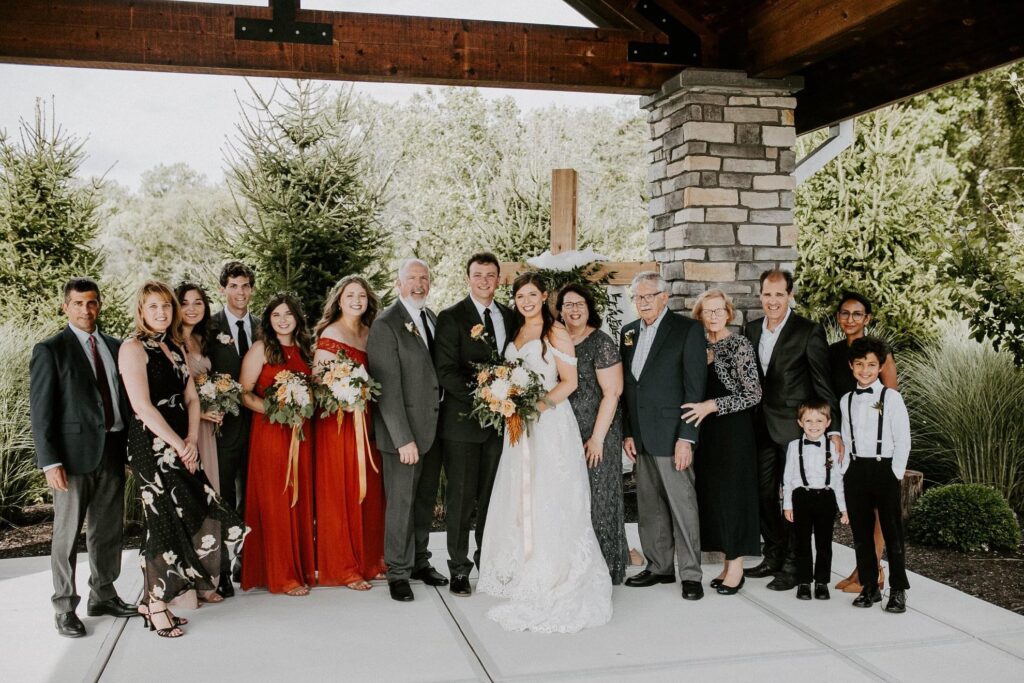
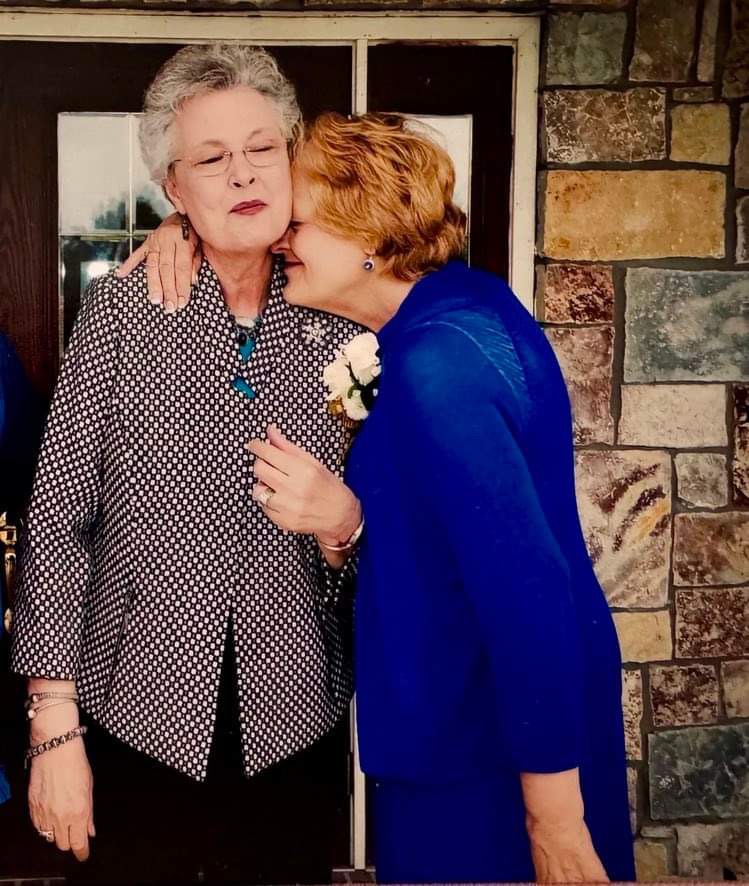
Kristine is half Native American and half Caucasian. When she was diagnosed with cervical cancer, she turned to her heritage for strength. It served as a reminder of those who came before her and what it meant to have their blood running through her veins. Kristine expresses, “I believe my strength comes from both sides of my family. We come from a long line of warriors. I was diagnosed with stage I cervical cancer in 2012 when I was 34 years old to which I received a radical hysterectomy. The decisions leading to that were difficult and heart-wrenching as I wasn’t sure our family was complete. I suffered from anxiety and depression for a few years after. Being diagnosed with cancer is difficult – it teaches you humility and vulnerability all the while showing you what strength you possess even years later.”
Nicole

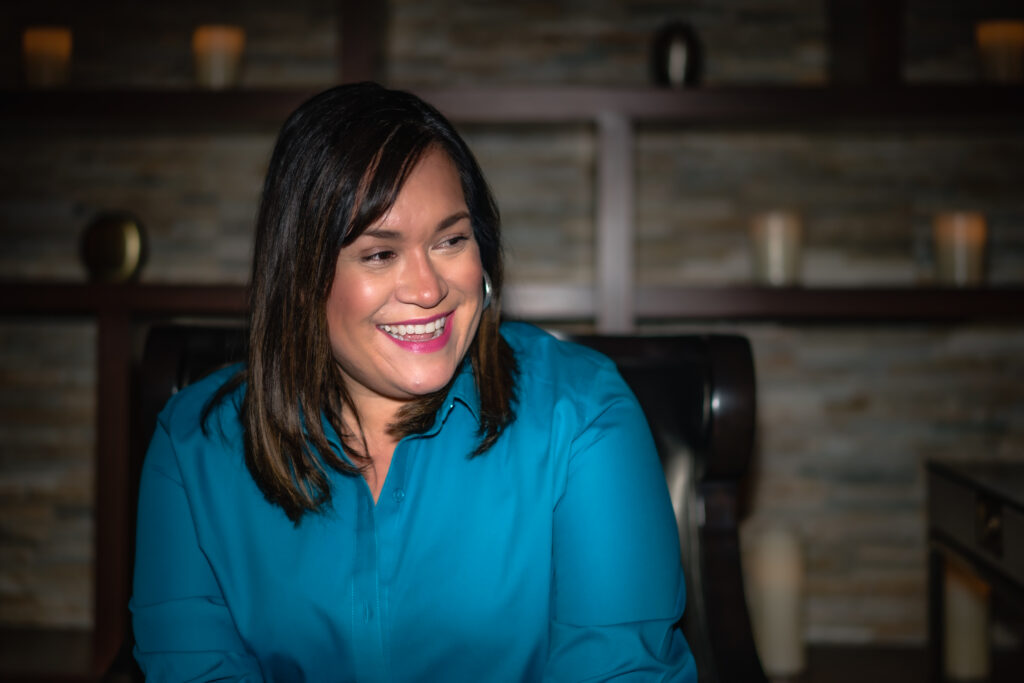
Nicole’s journey with cervical cancer began unexpectedly. A hospital visit for a suspected UTI revealed a startling diagnosis: stage IIIC cervical cancer. Nicole’s life changed forever. The initial shock gave way to determination. Nicole refused to let cancer defeat her, driven by the desire to be there for her children. Having lost her mother at 16, she knew the pain of growing up without a parent. With newfound resolve, Nicole shared her diagnosis with loved ones, finding comfort in their unwavering support. Nicole’s experience has ignited a passion for advocacy. Through Cervivor, she shares her story to raise awareness and promote education. Nicole’s resilience inspires others to confront cervical cancer boldly. Her story embodies strength, inspiring others to confront cervical cancer head-on. And her unwavering spirit encourages open conversations, promotes health education, and honors the resilience of Native American communities during Native American Heritage Month.
Beverly
Beverly’s courageous journey with stage IIIB cervical cancer began at 40. Amidst fear and uncertainty, Beverly found solace in traditional ceremonies, communal support, and determination. Embracing both spiritual practices and medical interventions, Beverly underwent chemotherapy, radiation, and surgical implantation of radioactive material. Despite community doubts and personal terror, she chose a path blending modern medicine with ancestral wisdom. Beverly faced judgment, whispering, and avoidance, but also kindness from supportive community members. Driving herself to treatments, exhausted and lonely, she persevered. “My song will continue until my last breath,” she says. Beverly embodies Native American resilience, inspiring others through Cervivor. Her spirit honors ancestral strength during Native American Heritage Month.

Get Involved
Native American Heritage Month celebrates resilience, strength, and cultural richness. Addressing cervical cancer disparities requires collective action. Organizations like Cervivor play a vital role in promoting health equity and empowering Native American communities. By sharing stories like Kristine’s, Nicole’s, and Beverly’s, we honor their experiences and amplify the call for change.
- Learn about cervical cancer prevention and disparities
- Support patient advocacy organizations like Cervivor
- Advocate for health equity and culturally sensitive care
- Celebrate Native American Heritage Month by promoting awareness and understanding
We can eliminate cervical cancer disparities, honor the heritage, and build resilience in Native American communities.