Building Trust in HPV Cancer Prevention — One Conversation at a Time

By Cervivor Communications Director Sara Lyle-Ingersoll
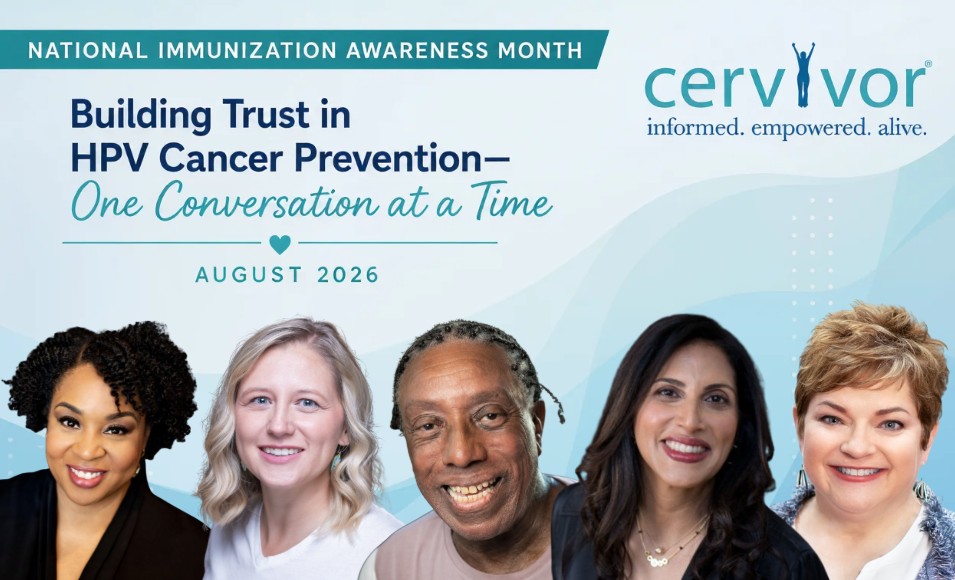
Twenty years ago, the HPV vaccine changed the future of cancer prevention. It now protects against six HPV-related cancers: cervical, anal, vulvar, vaginal, penile, and oropharyngeal (throat) cancers.

Yet scientific progress alone isn’t enough.

While the nation’s Healthy People 2030 initiative has set a goal of 80% of adolescents completing the HPV vaccine series, only about 62% of U.S. teens are currently up to date. Coverage varies widely across the country, with some states reporting fewer than half of adolescents completing the series.   

As National Immunization Awareness Month (NIAM) highlights the lifesaving impact of vaccines, public confidence in immunization is being tested by misinformation, growing distrust, and legal challenges to evidence-based vaccine recommendations.
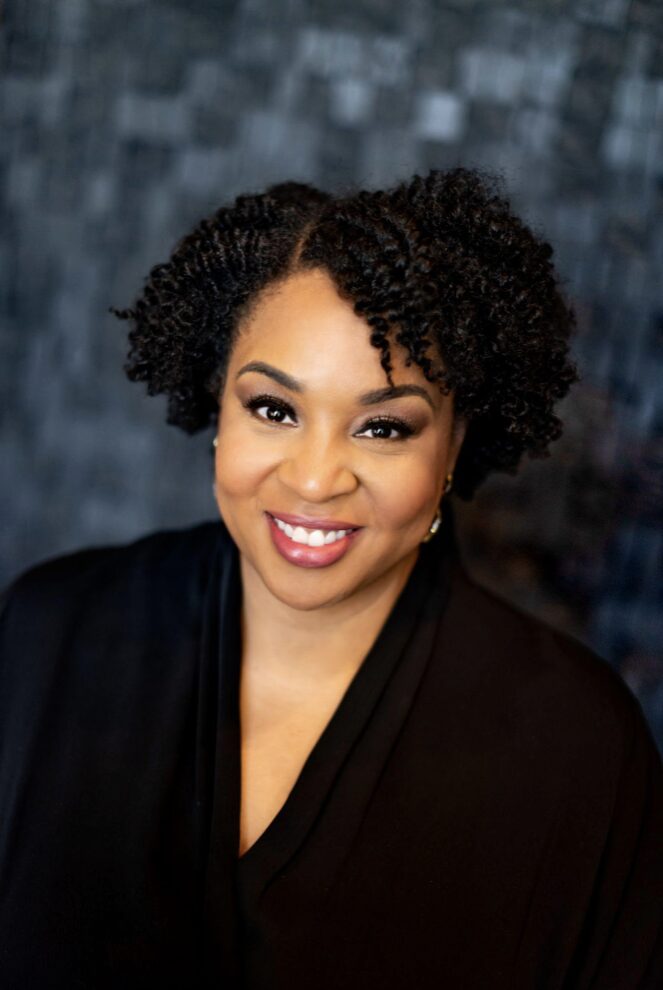
Portrait of Tamika Felder, a 25-year cervical cancer survivor, founder of Cervivor, and advocate for HPV vaccination and cervical cancer prevention.
Tamika Felder

For 25-year cervical cancer survivor and Cervivor Founder and Chief Visionary Tamika Felder, safeguarding the next generation is personal.

“When I was diagnosed with cervical cancer, there wasn’t a vaccine that could have prevented what happened to me,” she says. “Today’s young people have that opportunity. Protecting that progress means making sure families have access to accurate information, trusted guidance, and the confidence to choose prevention.”

That commitment extends to public policy. Last month, Cervivor joined dozens of leading medical, public health, and patient advocacy organizations in signing an amicus brief in the federal lawsuit American Academy of Pediatrics v. Kennedy, supporting evidence-based vaccine recommendations and the scientific integrity of the nation’s immunization policies.

For National Immunization Awareness Month, we asked HPV cancer survivors, physicians, and public health leaders a simple but urgent question: How do we build trust in the HPV vaccine?

The Evidence Has Never Been Stronger

In countries with high HPV vaccination rates, the impact is unmistakable. A landmark 2026 study from England found that cervical cancer deaths among young women offered the HPV vaccine at ages 12 to 13 had fallen close to zero.

Here in the U.S., researchers continue to document declines in cervical precancers and HPV infections among vaccinated generations. A recent June 2026 clinical trial of adults treated for anal or vulvar precancer reinforced what scientists already know: Early vaccination is one of our strongest tools for preventing HPV-related cancers.  

However, despite decades of compelling evidence, misinformation continues to circulate online. A 2024 study found that HPV vaccine misinformation tends to cluster around four themes:

  • Safety concerns
  • Claims that the vaccine is unnecessary or that “natural” approaches are sufficient
  • Conspiracy theories
  • Distrust of medical authorities

Dr. Michelle Fiscus, MD, FAAP, Chief Medical Officer of the Association of Immunization Managers, has heard them all.

Dr. Michelle Fiscus

“We have been using the HPV vaccine to prevent HPV-related cancers for more than 20 years,” she says. “Vaccines undergo more safety monitoring than any other medical product in the United States, and the HPV vaccine has been used in more than 80 countries. Our safety monitoring systems continue to watch for even rare safety signals, and the HPV vaccine has proven to be extremely safe.”

When people argue that natural immunity is better than vaccination, she offers a perspective that’s difficult to forget.

“The immune response the vaccine creates is natural. The vaccine teaches our immune system to recognize the virus and eliminate it before it can go on to cause cancer,” she says. “What isn’t natural is the surgery, chemotherapy, and radiation needed to treat these cancers after they become established.”

Trust is the Missing Ingredient

If the evidence supporting HPV vaccination is stronger than ever, why do misinformation and misconceptions continue to gain traction?

No one understands that challenge better than physician, healthcare technology leader, and best-selling author Dr. Geeta Nayyar, MD, MBA. In her book, Dead Wrong: Diagnosing and Treating Healthcare’s Misinformation Illness, she examines why misinformation spreads.

Portrait of Dr. Geeta Nayyar, physician, healthcare technology leader, and bestselling author who studies healthcare misinformation and trust.
Dr. Geeta Nayyar

“Facts matter enormously,” she says. “But facts alone do not create trust. When someone is frightened or feels dismissed, presenting more data can sometimes make them feel as though we are arguing with them rather than listening to them.”

According to Dr. Nayyar, people don’t evaluate health information in a vacuum. Their experiences, beliefs, and trust in the messenger shape how they receive new information.

Part of the reason misinformation spreads so easily, she says, is that it rarely looks like misinformation.

“It is often packaged as protection: ‘I’m just asking questions,’ ‘Do your own research,’ or ‘They aren’t telling you the whole story,'” she explains. “That language can be compelling because it offers people a sense of agency while suggesting that trusted institutions are withholding the truth.”

The HPV vaccine presents an additional challenge because it touches on three deeply emotional subjects at once: children, sexuality, and cancer. “We cannot dismiss a parent’s instinct to protect their child,” Dr. Nayyar says. “We have to honor it while helping parents understand that vaccination is itself an act of protection against future cancers.”

From Information to Conversation

For immunization leader Dr. Fiscus, that starts with listening.

“When someone has genuine questions or hesitations about vaccines, I find it’s helpful to ask about the concern and the source of that information,” she says. “If it’s something I’ve heard before, I ask permission to share what I know. If it’s new information, I’ll tell them I understand why it would cause concern and offer to look into it and circle back.”

Dr. Nayyar agrees that people are far more likely to reconsider a belief when they feel respected.

“The goal of every conversation does not have to be immediate agreement. Sometimes the most meaningful outcome is simply leaving the door open. Trust is built through connection, humility, and consistency — not through winning an argument.”

When Survivors Lead, Conversations Change

Statistics tell us what the HPV vaccine can prevent. Survivor stories remind us why prevention matters.

“Survivors and organizations like Cervivor can share compelling stories and facts about the success of the HPV vaccine, not only in the U.S., but around the world,” says Dr. Fiscus. “They can share how much easier it is to prevent HPV-related cancers than to treat them after they have been established.”
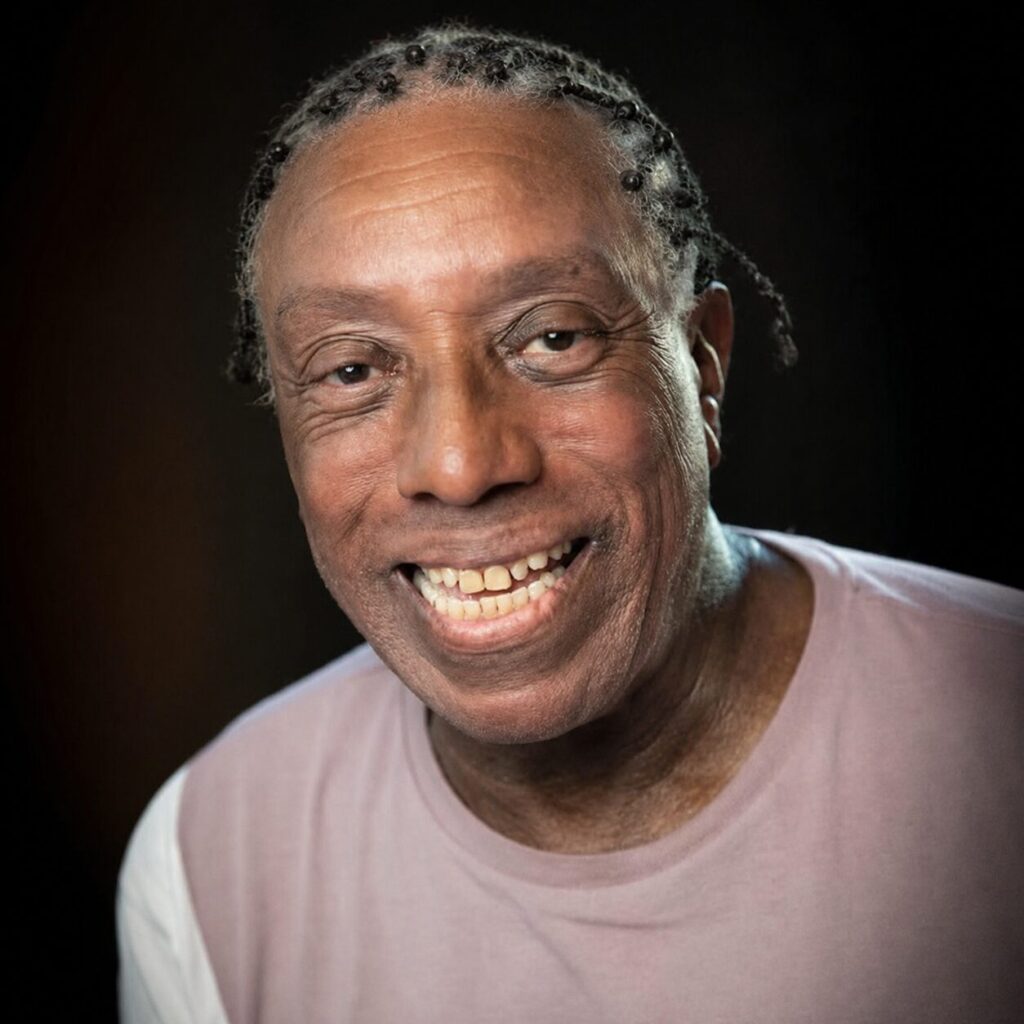
Calvin Nokes

For HPV cancer survivor Calvin Nokes, the lesson came the hard way. “For years, whenever HPV was mentioned, it was almost always connected to women and cervical cancer,” he says. “I honestly believed it was something only women had to worry about. No one ever told me men could get HPV.”

Everything changed when he was diagnosed with anal cancer in 2009. 

“That’s why I say everywhere I go, ‘Men get HPV, too. Men get HPV-related cancers, too,'” he says. “HPV doesn’t care whether you’re male or female. Boys grow up to become men, and they should be vaccinated, too. We have the opportunity to protect today’s children before they ever face that risk.”

Cervical cancer survivor Athena Porter knows that building trust starts with understanding your audience. 

A Cervivor Ambassador, rural Iowa resident, and woman of faith, Athena leads Cervivor’s virtual Bible study. When questions arise about the persistent myth that the HPV vaccine somehow encourages promiscuity, she doesn’t argue. Instead, she gently reframes the conversation. 

“A person can be cautious and not engage in sexual relations until they get married,” she says, “but there is no guarantee that their future spouse did the same.”

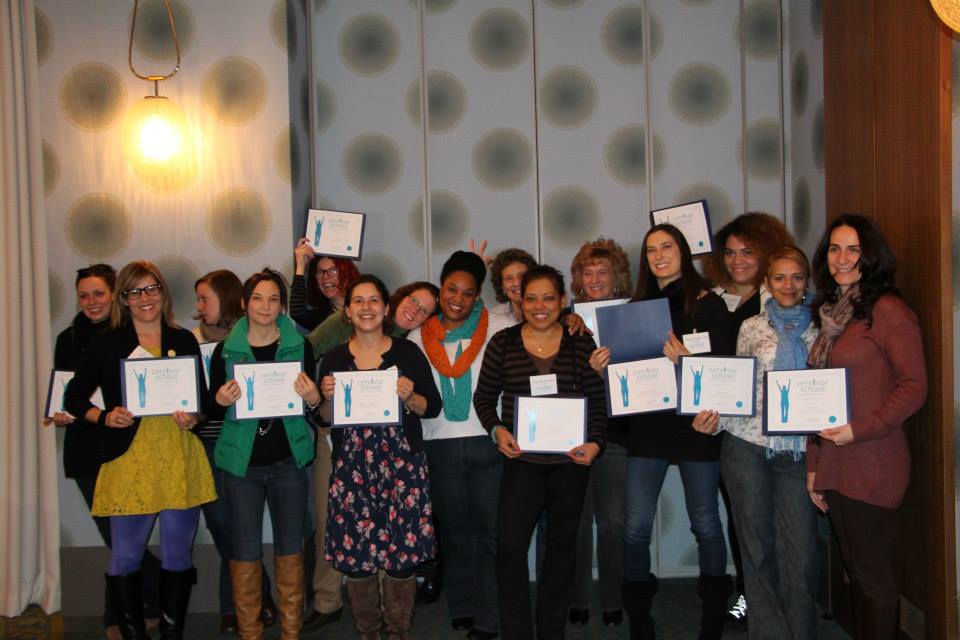
For Athena, emphasizing that the vaccine is about cancer prevention — not sexual activity — helps families see the issue through a different lens. Since graduating from Cervivor School in 2025, she’s continued bringing that message to her community, including in a recent television interview about the importance of HPV vaccination.
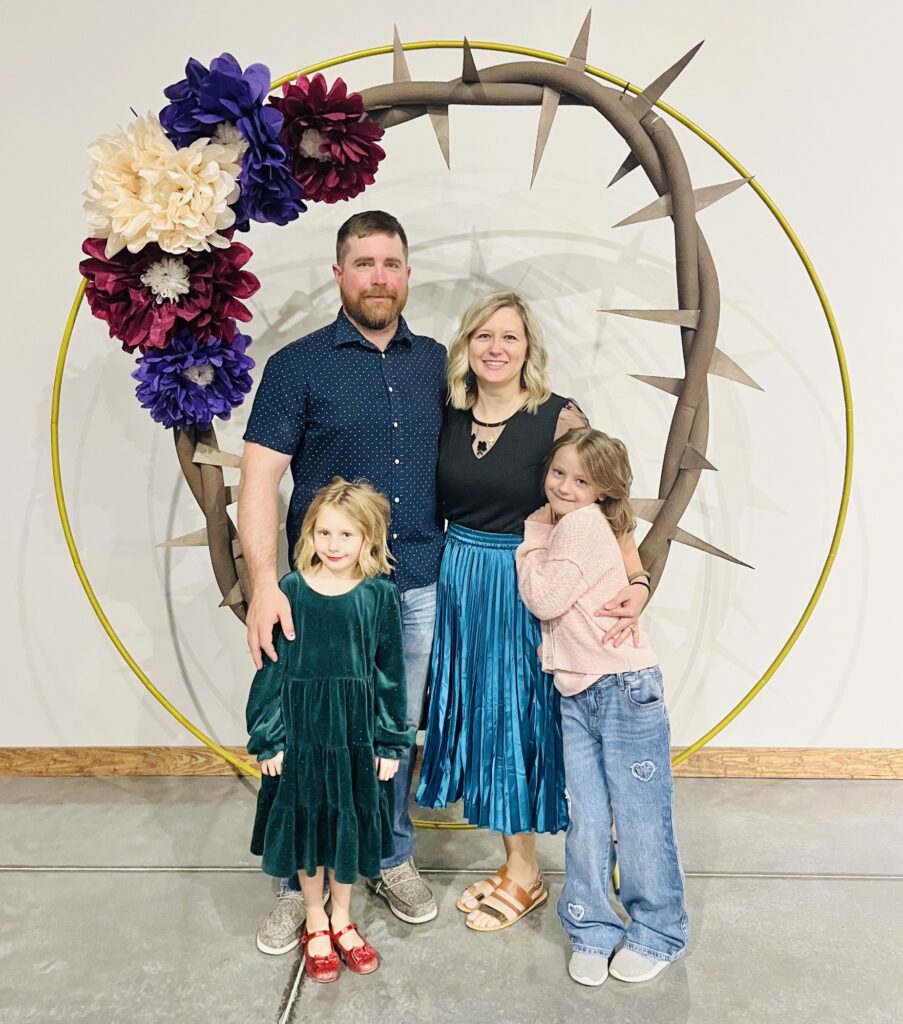
Athena Porter, with her husband and their two daughters, who live in rural Iowa.

Protecting Progress Starts with Us

The HPV vaccine has already changed the future of cancer prevention. Protecting that progress, however, will require more than scientific breakthroughs. It will take trusted conversations, compassionate listening, and people willing to share their stories. 

As Tamika puts it, “Advocacy isn’t about having all the answers. It’s about being willing to listen, share your story, and help someone make an informed decision. If one conversation leads to one family choosing cancer prevention, that’s how real change happens.” 

Dr. Nayyar offers similar advice for anyone who wants to help build trust: “Begin with curiosity rather than correction. Ask, ‘What concerns you most about the vaccine?’ Then listen without interrupting or judging.”

Here’s how you can help protect progress:

  • If you’re a parent or caregiver: Talk with your child’s healthcare provider about the HPV vaccine. It’s routinely recommended for girls and boys at ages 11 to 12 and can begin as early as age 9.
  • If you’re an HPV-related cancer survivor: Your experience has the power to build trust in ways statistics alone cannot. Sharing your story may be the conversation that helps another family choose prevention.
  • If you’re ready to advocate: Register for Cervivor’s upcoming Gynecological Cancer Survivors Retreat and Advocacy Training (September 24 to 27) to strengthen your skills, connect with fellow survivors, and help advance HPV vaccination, early detection, and equitable care.
  • Wherever you are: Share credible information, lead with empathy, and keep the conversation going. Every respectful discussion is an opportunity to protect someone from an HPV-related cancer.

Because that’s how progress is protected — one conversation, one informed decision, and one less cancer diagnosis at a time.

About the Author
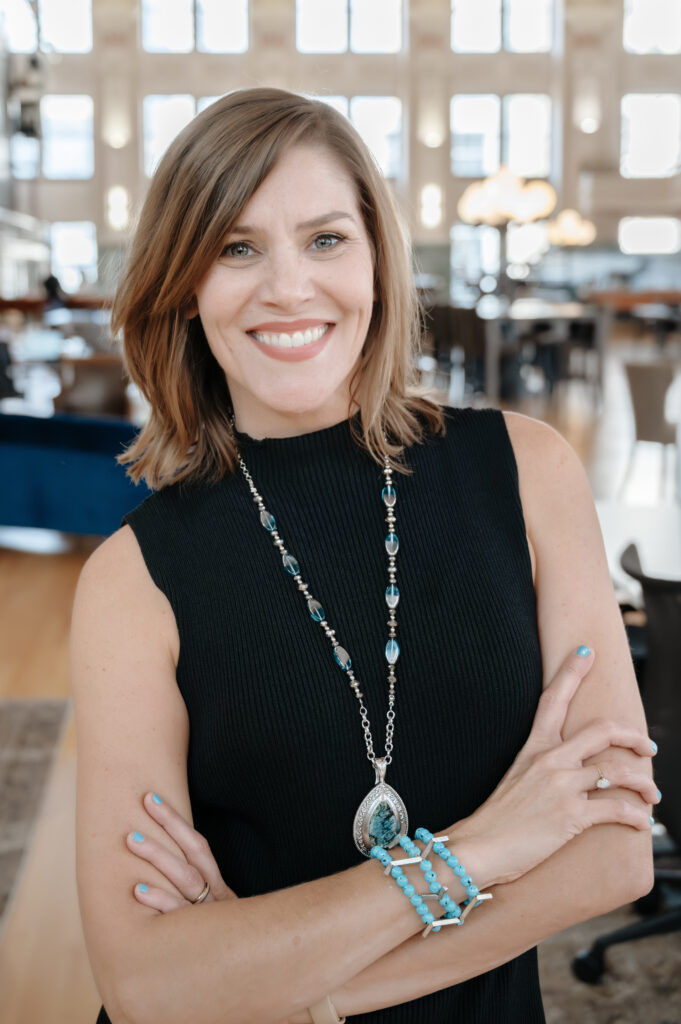
SARA LYLE-INGERSOLL is a content and communications expert dedicated to transforming lived experiences into impactful stories. Her award-winning magazine feature about a close friend who died from cervical cancer in their twenties led her to Cervivor, and solidified her commitment to cervical cancer awareness and prevention. Now, as Cervivor’s Communications Director, Sara brings this mission full circle.

Cervivor Founder: A Voice for Cervical Cancer Survivors and Health Equity This Black Philanthropy Month

When Tamika Felder founded Cervivor, Inc., in 2005, she wasn’t trying to build a national nonprofit with global reach. She was simply navigating her own cervical cancer diagnosis and determined that no woman should feel as alone as she once did.

Today, as Founder and Chief Visionary of Cervivor, Tamika leads an international movement to eliminate cervical cancer and confront health disparities—especially those affecting women of color.

During Black Philanthropy Month—and on Give 8/28, a national day dedicated to uplifting Black-led and Black-benefiting nonprofits—Tamika’s story is a powerful reminder of how Black leaders are driving change in health equity and advocacy. For her, the day is rooted in pride and visibility. “I’ve always been a part of community service,” she says, reflecting on the example set by her parents. “There are so many Black organizations doing incredible work, but they don’t always get the recognition they deserve. Give 8/28 is a day to say we’re proud to lead these organizations.”

Here, Tamika shares her wisdom and advice for others—whether you’re launching a nonprofit or fighting for access to quality healthcare for all.

Finding Her ‘Why’ and Reclaiming Her Voice

One of Tamika’s guiding messages as a leader and survivor is the importance of finding your “why”—the driving force behind your advocacy work and passion. For her, that “why” was born during cancer treatment and its aftermath, as she grieved the sudden end of her career as an up-and-coming broadcast journalist in Washington, D.C., and the loss of her fertility. “Little by little, the trauma had less of a hold on my life, and I began to embrace the possibilities that life beyond cancer could hold,” she says.

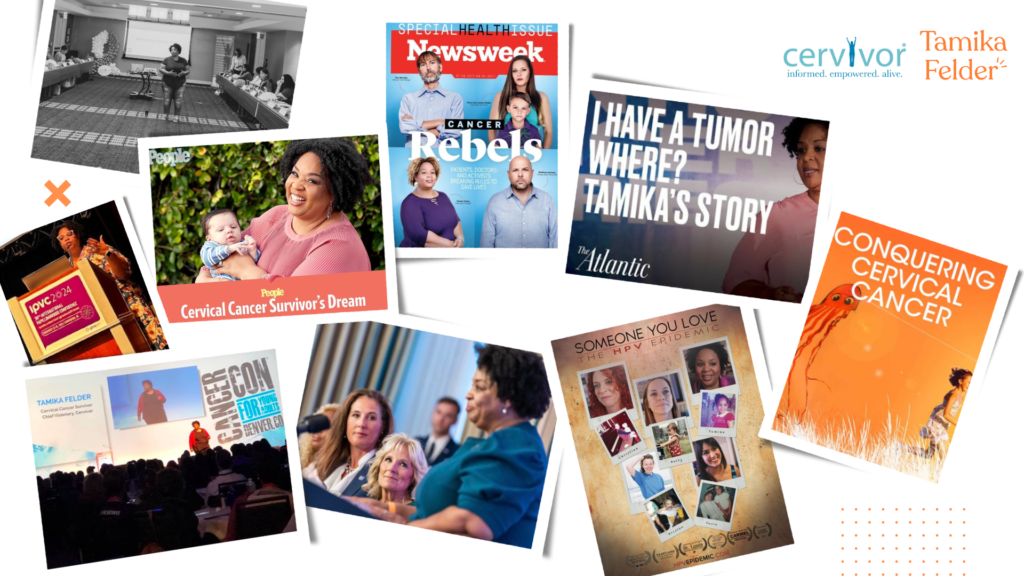
A pivotal moment came when she was asked to testify in support of a Maryland law to safeguard parenthood for young adult cancer patients. “Through tears and shaky hands, I shared my story with legislators, and it made a difference,” she recalls. The Protect Parenthood law was ultimately passed in 2018. Since then, Tamika has continued to use her powerful voice—speaking on Presidential Panels and global stages, serving on national roundtables, and appearing in award-winning documentaries and major publications.

“Black Philanthropy Month is about increasing visibility for Black-led nonprofits,” she says. “Some people might look at Cervivor and think, ‘Well, it already has great visibility.’ But until cervical cancer is eliminated, it will always need more.”

Centering Health Equity

Tamika has always been clear: While the mission of Cervivor is universal—cervical cancer prevention and elimination—the path forward must address inequities that disproportionately affect Black and brown women. And she doesn’t mince words about why health equity is central to her work. “We know that there are disparity gaps in this space, and that people of color, especially Black and brown women, are falling through those gaps at a higher incidence,” she explains.

Cervical cancer is one of the most preventable cancers. With the HPV vaccine, Pap tests, HPV testing, and now self-collection options, the prevention tools exist to save lives. Yet Black women continue to face higher rates of diagnosis and death. Tamika believes part of the solution lies in representation: survivors telling their own stories and trusted messengers bringing information to their communities.

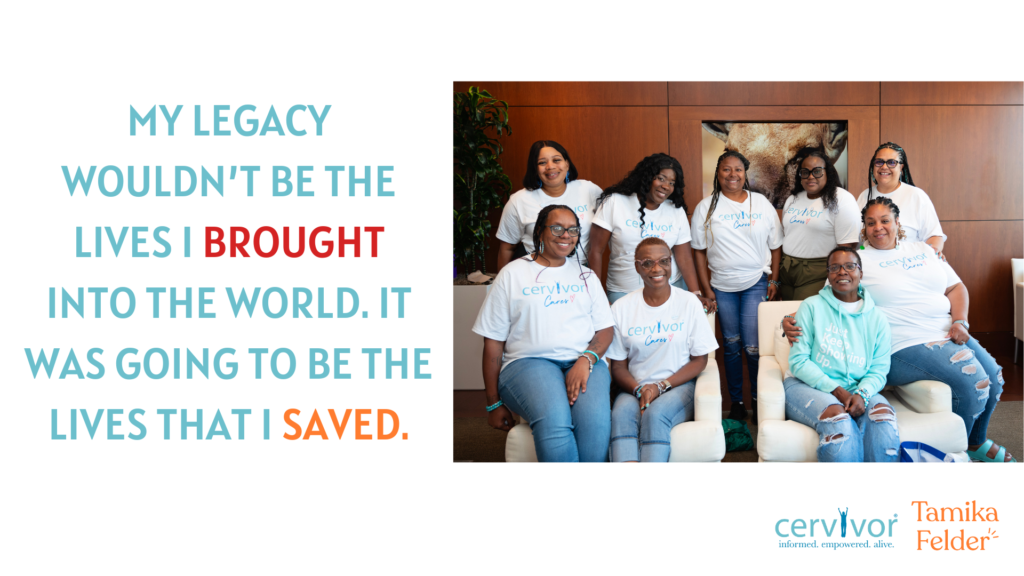
The image is a graphic featuring a quote and a photograph. The quote, displayed on the left side of the image, reads: "MY LEGACY WOULDN'T BE THE LIVES I BROUGHT INTO THE WORLD. IT WAS GOING TO BE THE LIVES THAT I SAVED." The text is presented in a large, bold font, with the words "MY LEGACY," "WAS GOING TO BE THE," and "LIVES THAT I SAVED" in teal, and "WOULDN'T BE THE," "LIVES I BROUGHT," and "IT" in red and orange.
To the right of the quote is a photograph of a group of eight women, all wearing white or light-colored shirts with the word "cervivor" printed on them. They are seated on two white couches, arranged in a conversational manner. The background of the photograph features a wood-paneled wall adorned with a large piece of artwork.
At the bottom-right corner of the image, three logos are visible. The first logo, situated closest to the photograph, reads "cervivor" in teal text, accompanied by the tagline "informed. empowered. alive." in smaller text below. The second logo, positioned to the right of the first, displays the name "Tamika Felder" in orange text. The overall design of the image suggests that it may be related to a campaign or organization focused on cervical cancer awareness or support.
Cervivor Noir community members at last year’s Cervical Cancer Patient Advocacy Retreat For Communities of Color in Cleveland, OH.

“When I first started sharing my story, I didn’t see anyone who looked like me,” she says. “Every time I see a Black woman sharing their story and sharing the correct scientific information behind cervical cancer, it makes me feel really, really proud.”

The Power of Patient Stories

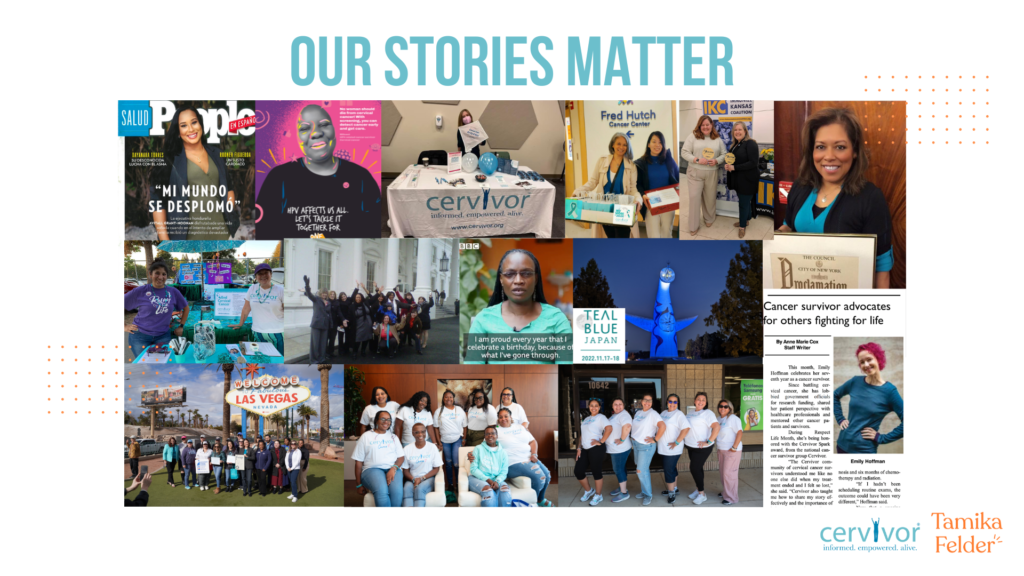
Tamika has built Cervivor around the conviction that data alone is not enough. “We gave the data, but we didn’t tell the story,” a researcher once told her. That insight reshaped her advocacy.

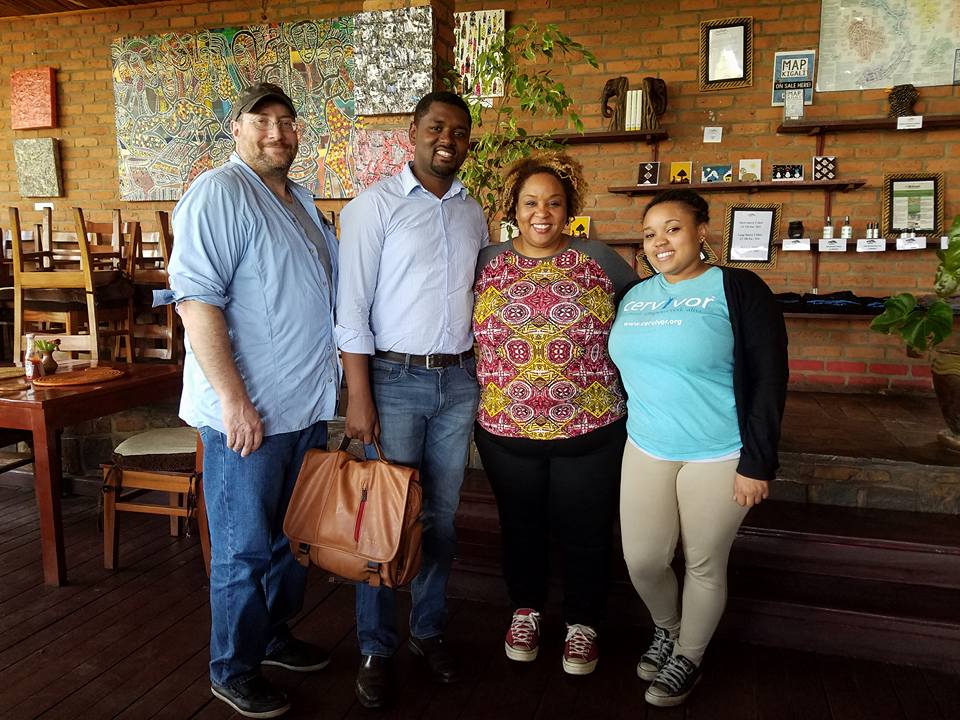
“You hear all the time that patient stories are important, but I uniquely got it,” Tamika reflects. “My story makes a difference. The hard parts of my story that I may not want to talk about can make a difference. ”From Cleveland to Rwanda, Cervivor has seen an impact by uplifting patient voices. At a Cleveland Clinic event, Cervivor ensured that “no one was left out of the screening” by providing culturally specific support through Cervivor Español and Cervivor Noir.

These stories matter because they reveal the lived reality of surviving cervical cancer—the hysterectomies, infertility, ostomies, and lifelong side effects often invisible to the public. “If we just let the general population tell it, well, you survived it, you’re doing fine. But I don’t look like what I’ve been through,” Tamika says.

Building Trust and Representation

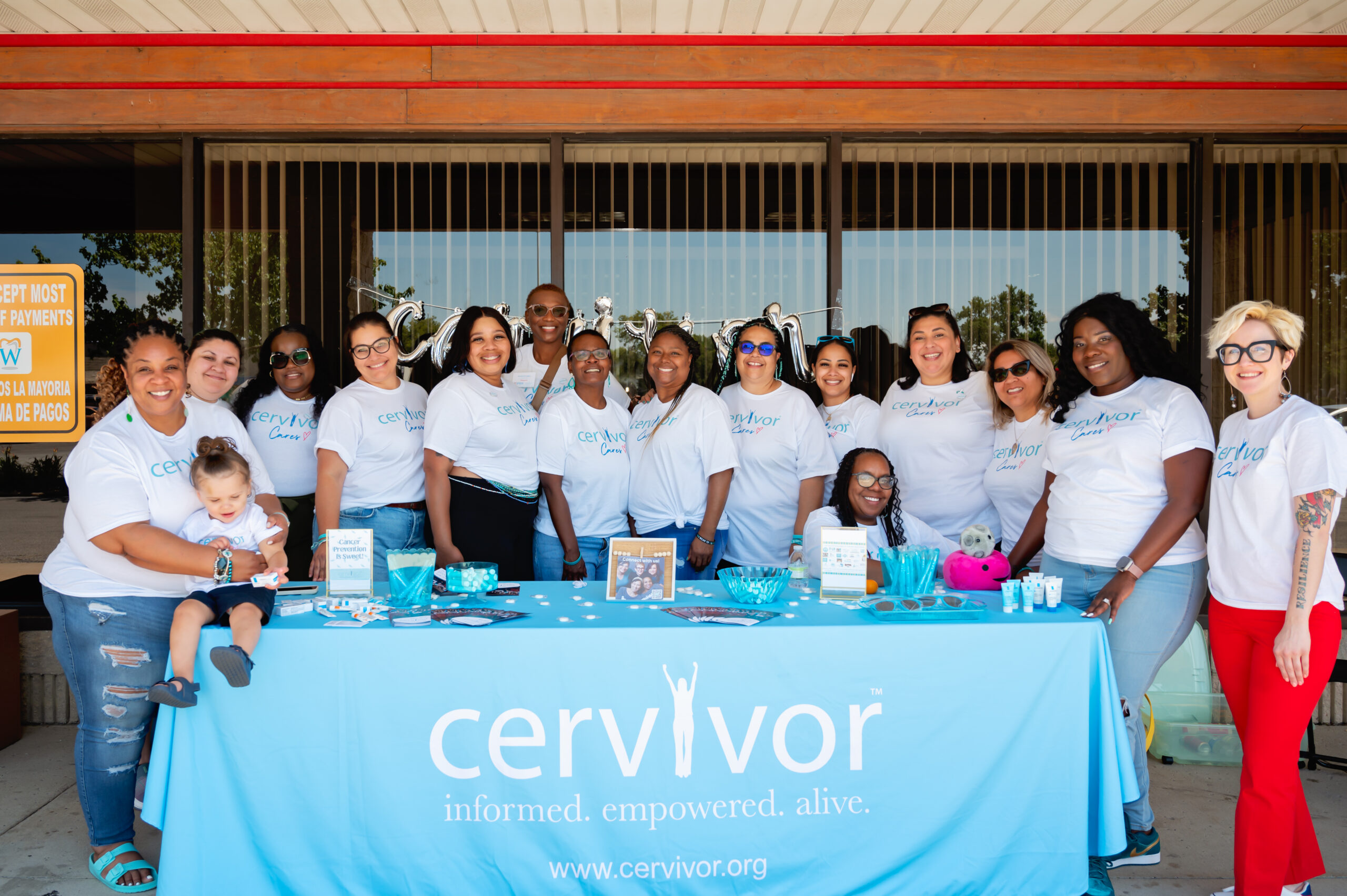
Trust is everything in underserved communities, and Tamika insists on meeting people where they are. “I go to those communities. If I don’t go myself, someone from my organization goes. We talk to them. We build trust,” she says.

Representation plays a central role in Cervivor’s impact. Tamika works to ensure that photos, videos, and programs reflect diverse survivors. “I never want anyone not to see themselves,” she explains. “There’s something special to be said by connecting with people who’ve gone through what you’ve gone through.”

Resilience and Self-Care in Leadership

Running a nonprofit rooted in lived trauma is deeply personal work, and Tamika is candid about the toll. “There are points where it’s going to be really hard, but when you’re really committed to this work, you’ll find a way to keep going,” she says.

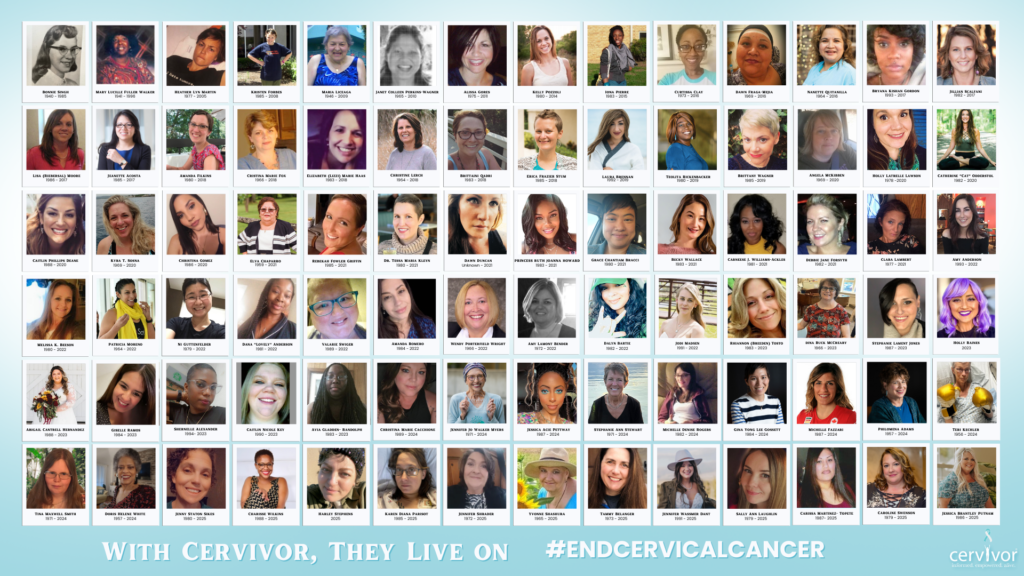
The image is a collage of 84 headshots of women, arranged in six rows, with a light blue background that gradually darkens towards the top. The headshots are presented in white-bordered boxes, each containing a photo of a woman and her name, along with her birth and death years. The women depicted are diverse in terms of age, ethnicity, and attire. At the bottom of the image, the text "WITH CERVIVOR, THEY LIVE ON #ENDCERVICALCANCER" is displayed in white, accompanied by the Cervivor logo in the bottom-right corner. The overall tone of the image is somber, as it appears to be a tribute to women who have passed away from cervical cancer.

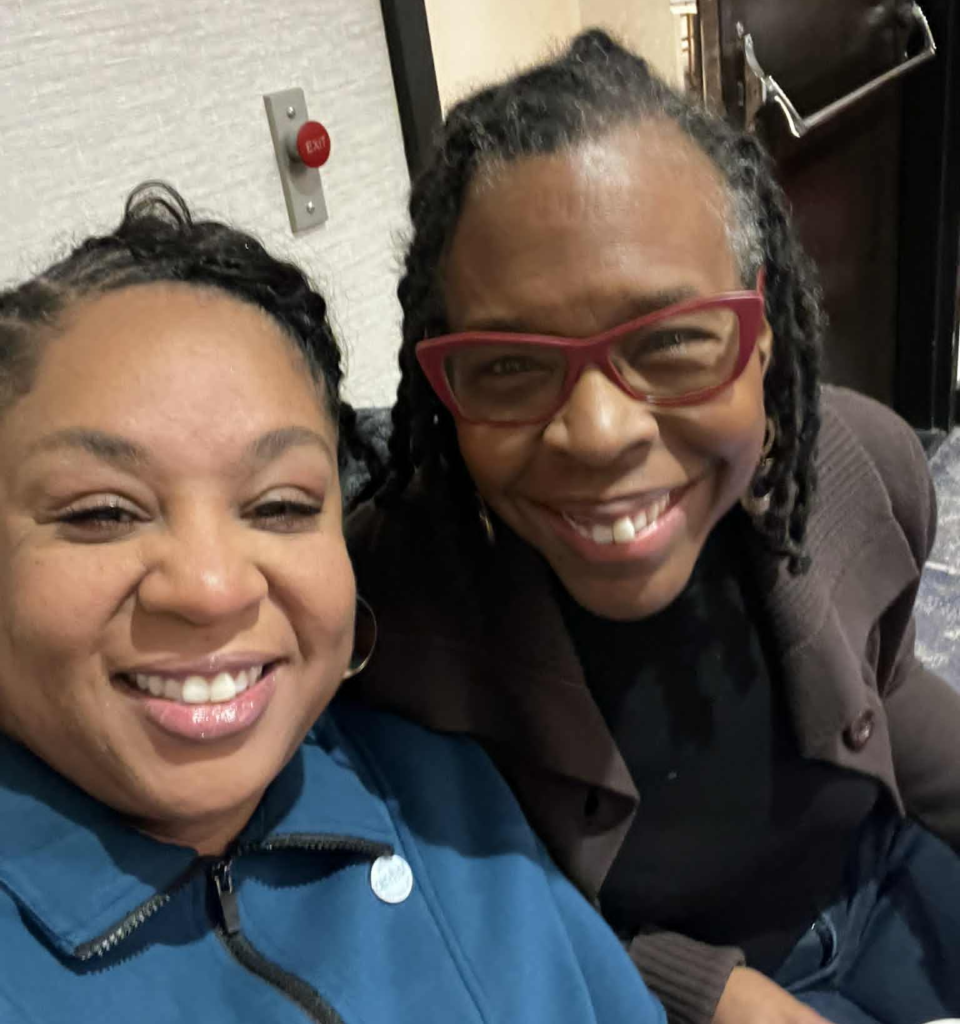
Tamika with Lisa Simms Booth, Executive Director of the Smith Center for Healing and the Arts

As a survivor herself, every death in the community is another wound. “It’s another person who’s died from a preventable disease, and so I have to really practice self-care around that,” she shares. Surrounding herself with other Black women nonprofit leaders helps her carry the weight. “It’s a very hard time, not only for nonprofits, but nonprofits run by Black women. Knowing that you’re not alone helps it be manageable.”

Standing Firm on Equity

Even as some organizations shy away from terms like “DEI” or “health equity” in response to political pressures, Tamika refuses to dilute Cervivor’s mission. “Just because we change and don’t call a thing a thing doesn’t mean that we don’t experience it,” she says. “We’ve already had a funder not fund us because of our Communities of Color retreat. And I’m not going to change the name of it. No one is going to die from cervical cancer on my watch.”

Her vision is clear: to leave behind a legacy of courage, visibility, and unrelenting advocacy.

A Legacy of Hope and Action

What began as one woman’s way to not feel alone has become a global movement of survivors, advocates, and educators. Tamika is proud of how Cervivor has connected patients, clinicians, community workers, and researchers. “We’ve inspired patients, educated clinicians, and shifted the narrative around cervical cancer,” she says.

On Black Philanthropy Day, her journey reminds us that philanthropy is not just about giving money—it’s about giving voice, visibility, and leadership. Tamika embodies all three, leading with resilience and purpose to ensure that no one falls through the gaps in the fight against cervical cancer.

Support the Mission

This Black Philanthropy Month, we invite you to support Tamika’s vision and Cervivor’s mission to end cervical cancer through advocacy, education, and community. Here’s how you can take action:  

  • Give $20 on 8/28: As part of Cervivor’s year-long Tell 20, Give 20 campaign, your $20 donation will directly support a Black-led nonprofit committed to health equity for all. 
  • Engage with Cervivor: Follow us on social media, share our posts, and help amplify the voices of cervical cancer survivors and advocates. Your engagement builds awareness, strengthens our community, and inspires action.
  • Attend Cervivor Events: From Cervivor School and monthly virtual meetups to the next Cervical Cancer Summit—your presence makes a difference. Show up, speak out, and stand with us.