By Sara Lyle-Ingersoll, Cervivor Communications Director
Adolescence and young adulthood are typically defined by milestones: graduating from college, starting careers, building relationships, and planning families. But for the roughly 85,000 adolescents and young adults (AYAs) diagnosed with cancer in the U.S. each year, those milestones are often replaced by treatment decisions, uncertainty, and survivorship challenges that can last for decades.
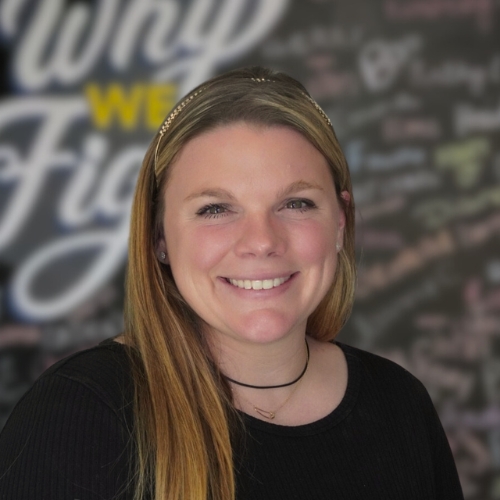
When cervical cancer survivor and Cervivor Program Coordinator Lauren Lastauskas was diagnosed at 23 during college, she remembers how quickly her world diverged from her peers.
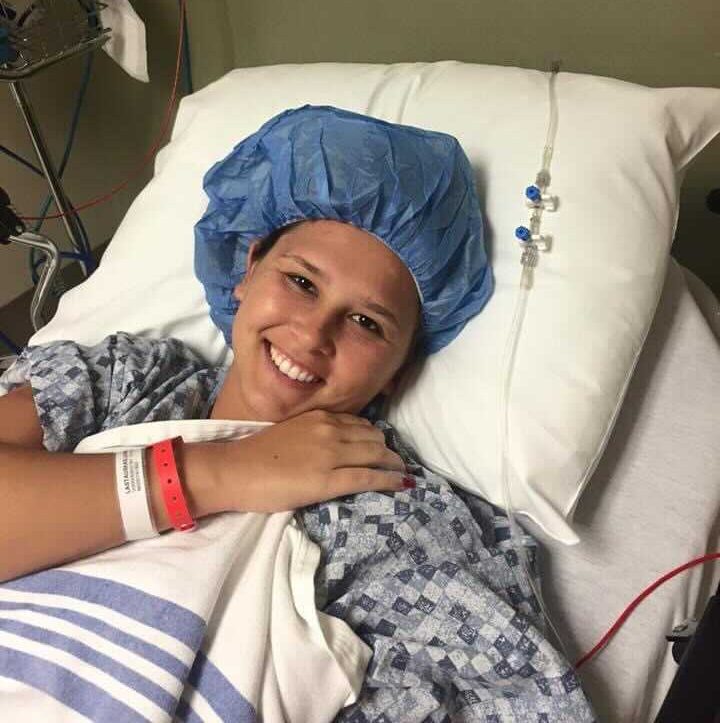
“I felt so isolated from my friends and peers when I was diagnosed,” she recalls. “I was a full-time college student and working. I was trying to survive and focus on treatment when most people my age were going out for ‘Thirsty Thursday’ and planning summer internships. It felt like I had absolutely nothing in common with them anymore.”
Lauren’s experience reflects a defining reality of AYA cancer: Young patients are navigating cancer while building their futures. More than 2.1 million AYA cancer survivors in the U.S. face barriers that extend far beyond treatment, including fertility concerns, financial strain, and limited access to care.
For AYA Cancer Awareness Week (April 6 to 10, 2026), Cervivor is shining a light on this vulnerable population and the advocates, researchers, and organizations working to improve cervical cancer care, survivorship, and quality of life for adolescents and young adults.
What Is AYA Cancer — and Why Does It Require Specialized Care?
AYA refers to adolescents and young adults ages 15 to 39, a group with distinct medical, emotional, and practical concerns.
“One thing people don’t realize about AYA cancer is that it’s a specific population with unique needs that lacks representation across the healthcare system,” says Lauren, now cancer-free for a decade and with a decade of healthcare and advocacy experience.
These needs often include:
- Fertility preservation and family planning
- Dating, sexuality, and relationships
- Financial toxicity and insurance challenges
- School and career disruption
- Mental health and isolation
- Long-term survivorship planning
- Access to age-appropriate support
Unlike pediatric or older adult cancer patients, adolescents and young adults diagnosed with cervical cancer must manage treatment decisions while still shaping their identities.
“Cancer doesn’t just end and disappear from your life — its impact stays with you forever,” says Lauren, who lives in Oklahoma with her partner and their dog, Stella. “When you’re an AYA, that means you hopefully, and unfortunately, carry the lasting impact of cancer with you for several decades.”
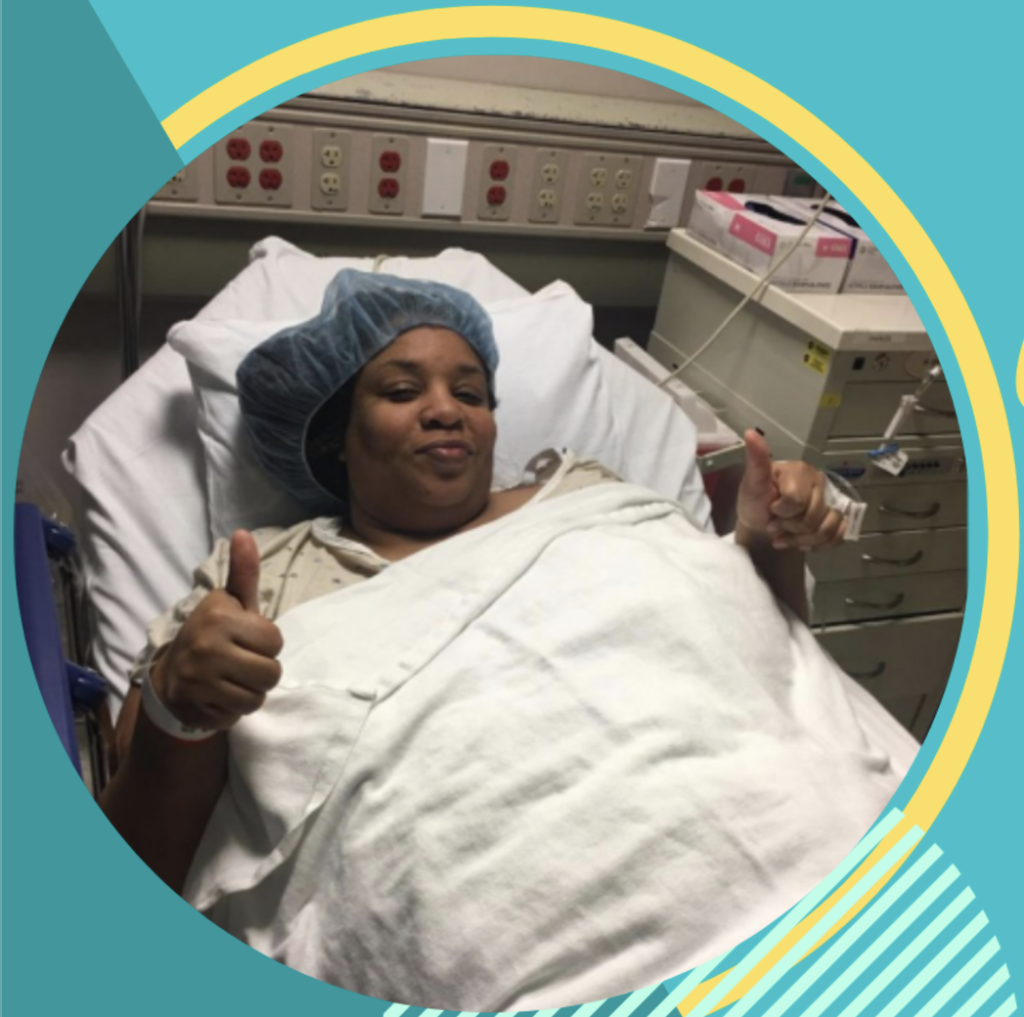
Cervivor Founder and Chief Visionary Tamika Felder turned that lasting impact into action after surviving cervical cancer in her twenties.
“At the time, no one talked to me about fertility, long-term survivorship, or what life would look like decades later,” she says, noting that this April 12, 2026, marks 25 years since hearing the words, “You have cancer.” “That experience is part of why I created Cervivor — so young adults facing cancer today don’t have to navigate those decisions alone.”
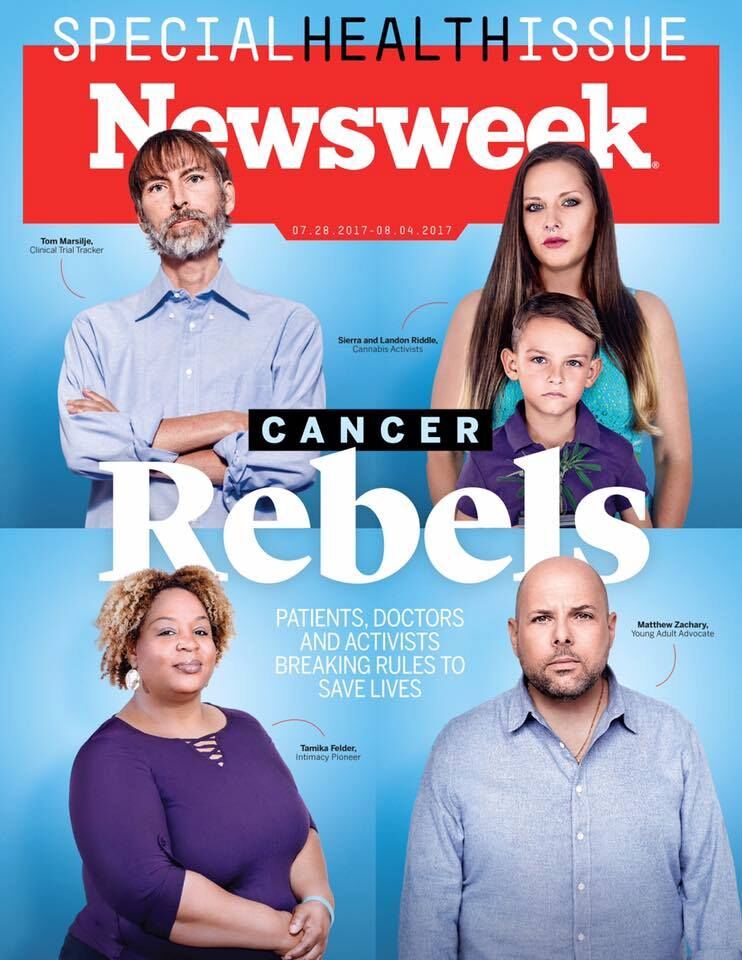
Her fellow Newsweek-named “Cancer Rebel,” Matthew Zachary — a keynote speaker at the 2026 Cervical Cancer Summit Powered by Cervivor, Inc. — has also spent decades advocating for this often-overlooked population.
“Being diagnosed with brain cancer at 21 meant I got a crash course in a system that treats you like an outlier when you’re actually part of a massive, invisible population,” says Matthew, who founded AYA-centered non-profit Stupid Cancer in 2007 and whose upcoming book, We the Patients: Understanding, Navigating, and Surviving America’s Healthcare Nightmare, examines gaps in care. “No roadmap. No one talking about what happens after you survive. And no community of peers who ‘get it’ because they ‘got it.’ So, I built one. Hello, Stupid Cancer!”
Today, Stupid Cancer connects adolescents and young adults through advocacy, education, and its annual CancerCon — the next gathering runs April 30 to May 3 in Seattle — reinforcing that specialized support is essential for young survivors, who face some of the highest levels of psychological distress across oncology.
Fertility Is One of the Biggest Concerns in AYA Cervical Cancer
For many adolescents and young adults with cervical cancer, fertility preservation is one of the most urgent — and emotionally complex — decisions they face.
Echoing Tamika’s AYA cervical cancer experience, Lauren says, “I wish I had known more about my options for fertility preservation before treatment.”
Dr. Lynda Beaupin, M.D., an Assistant Professor of Oncology at Roswell Park Comprehensive Cancer Center, has spent years focused on AYA oncology and oncofertility. Her advocacy contributed to a successful New York State law passed in 2019 requiring insurers to cover fertility preservation for cancer patients at risk of treatment-related infertility.
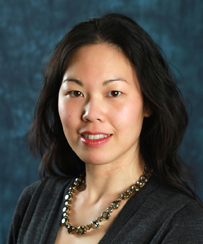
“Many young adults survive their cancer only to be blindsided and overwhelmed by the impacts their treatment may have on their family planning and the expenses they will face trying to address those realities,” Dr. Beaupin said at the time. “Many younger survivors simply can’t afford fertility preservation, which can have a devastating impact on their well-being and quality of life.”
Now, Dr. Beaupin and Tamika both serve on the Advisory Council of the Alliance for Fertility Preservation (AFP), a nonprofit that helps patients understand and access fertility preservation before treatment. Through education, advocacy, and a national provider network, AFP supports AYA patients whose therapies may affect their ability to have biological children.
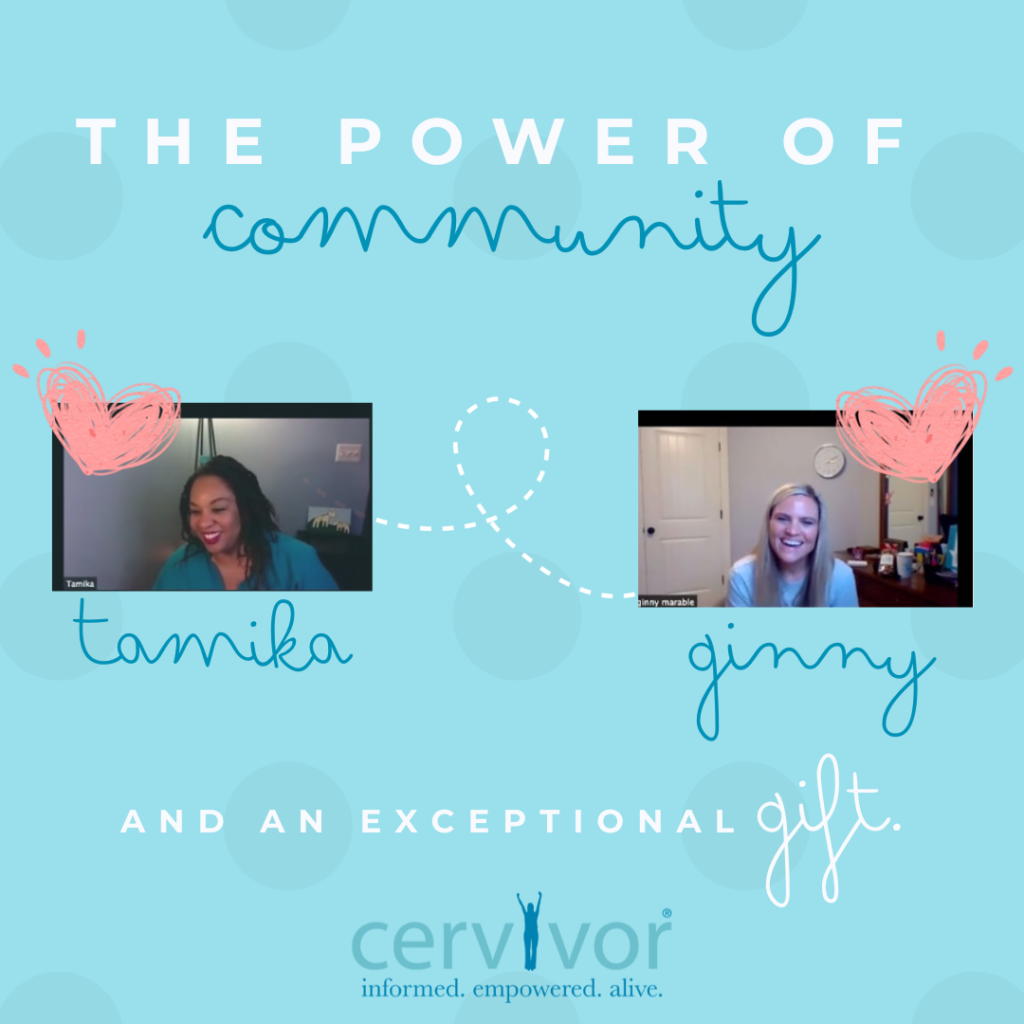
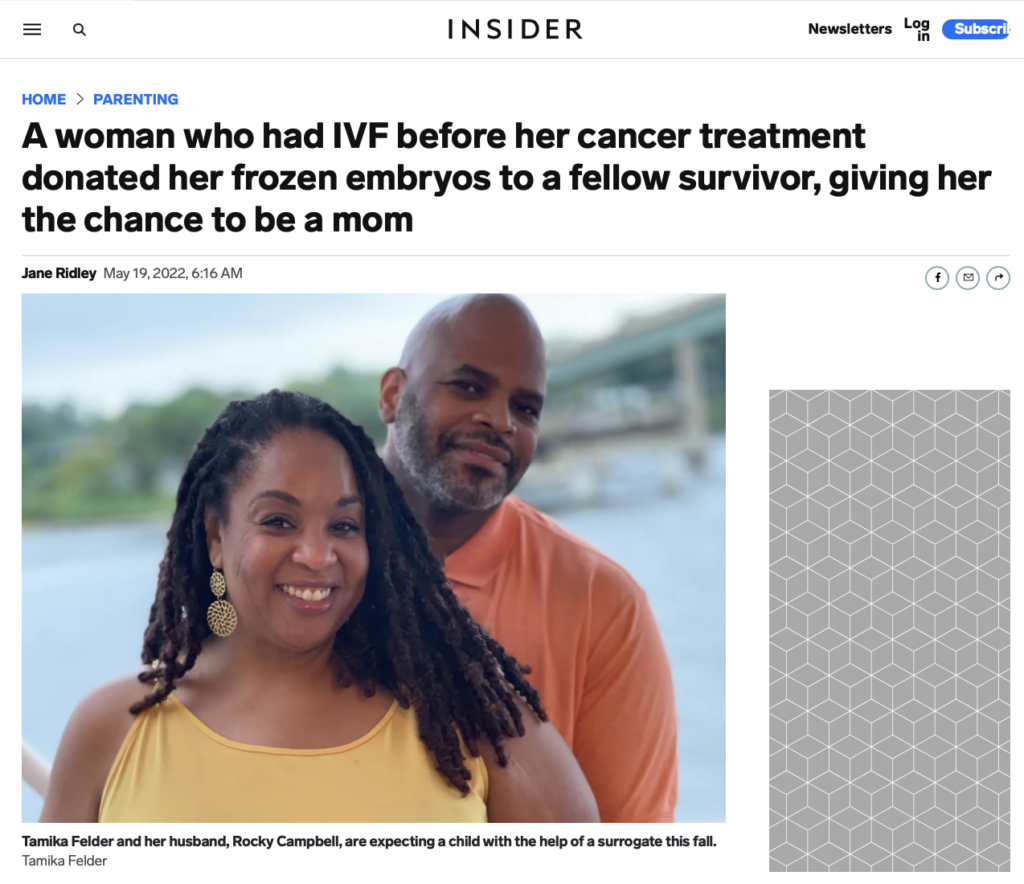
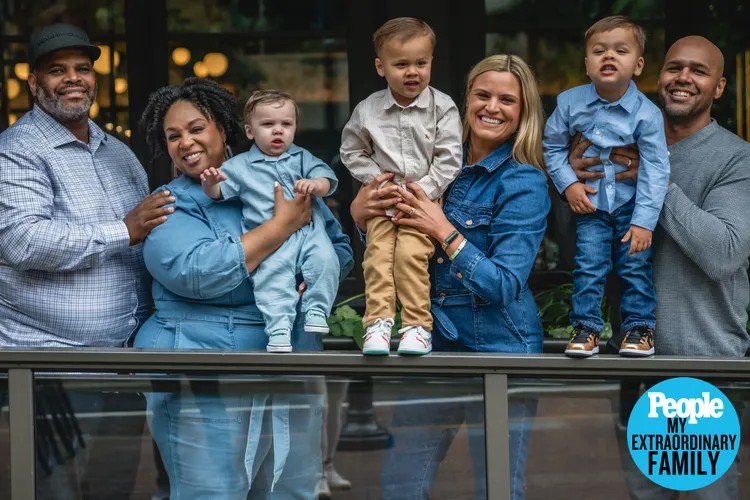
Tamika’s advocacy for young survivors is rooted in her own experience of losing her fertility due to cervical cancer treatment. Decades later, she had an unexpected happy ending — becoming a mom in her late forties through embryo donation and community support. That journey inspired her to create the Virginia “Ginny” Marable Cervivor Baby Gift Fund, which provides hope and financial assistance to survivors pursuing parenthood after treatment.
Reflecting on her AYA diagnosis, Tamika recently told People in an article about her “modern family” that she was working as a young broadcast journalist in Washington, D.C., when her plans were suddenly upended. “I did all the things to get where I wanted in my very young career, and then this comes in, and the bottom drops out.”
Financial Toxicity Disproportionately Affects AYA Cervical Cancer Patients
When the bottom drops out financially, adolescents and young adults with cervical cancer often face life-saving challenges when they have limited savings, entry-level salaries, or are still in school.
Younger patients may:
- Have limited or no insurance
- Choose low-premium plans with high out-of-pocket costs
- Lose income during treatment
- Interrupt education or career paths
- Accumulate debt or file for bankruptcy

Dr. Lauren Ghazal, PhD, FNP-BC, an Assistant Professor at the University of Rochester School of Nursing — and an AYA cancer survivor herself — studies financial toxicity and quality-of-life outcomes among AYA patients. Her work focuses on improving support for young adults navigating both the medical and financial realities of cancer.
“One of the most impactful things we can do is normalize conversations about financial and practical challenges early and often,” she explains. “Even a simple step like asking, ‘Are there any financial or logistical concerns that might make it harder for you to get care?’ can open the door.”
Organizations like Triage Cancer and Cancer and Careers help address these gaps by providing education on cancer-related legal rights, insurance, finances, and employment. Triage Cancer is hosting its free online Cancer Rights Conference on May 15 and 16, while Cancer and Careers will hold its 16th Annual National Conference on Work & Cancer virtually on June 26.
Transportation, Access, and Clinical Trial Gaps for AYA Patients
Young adults with cervical cancer frequently face barriers that go far beyond finances, including transportation challenges and limited access to specialized care and clinical trials.
“Adolescents and young adults often face challenges that don’t get enough attention in traditional cancer care, like simply getting to appointments without strong support systems,” says Taylor Hosier, Director of Patient Navigation at the Ulman Foundation, a nonprofit that provides navigation, housing, and support services for young adults impacted by cancer.
Major academic centers — such as Memorial Sloan Kettering, MD Anderson, Dana-Farber, Moffitt Cancer Center, and the University of Colorado Cancer Center — offer dedicated AYA programs, but many patients live too far away to access them consistently.
“When I was in South Carolina, I had to travel two hours to see a gynecologic oncologist,” recalls Cervivor’s Lauren of her AYA experience. “That’s common in community settings — smaller hospitals often don’t have specialized providers or supportive services like AYA programs, cancer rehab, nutrition, or clinical trials.”
Regarding barriers to clinical trial participation, Dr. Ghazal says, “Structurally, many trials are not designed with AYAs in mind — eligibility criteria, age cutoffs, and where trials are offered can limit access. Relationally, there can be gaps in awareness, trust, and communication.” To improve enrollment, she suggests, “Designing trials with AYAs — not just for them — is critical.”
Taylor stresses the importance of cross-sector collaboration to close gaps in care. “Cross-sector collaboration can make a real difference by connecting the dots between medical care and the everyday support AYA patients need, like financial help, transportation, fertility services, and mental health resources,” she says. She points to the Ulman Foundation’s Patient Navigation Program as a model, with trained navigators embedded in hospitals and communities to identify barriers early, coordinate care across providers, and ensure AYA patients don’t feel lost in the system.
How to Support Adolescents and Young Adults With Cervical Cancer
Improving outcomes for adolescents and young adults with cancer requires collaboration across healthcare providers, advocacy organizations, and communities.
In addition to Cervivor and the organizations mentioned above, a network of nonprofits is helping to fill critical gaps in fertility education, financial navigation, peer support, and survivorship resources. They include:
- Elephants and Tea — A storytelling-driven community “for and by” AYA patients and survivors that offers articles, workshops, and its AYA Power series to help providers better understand young adult cancer care.
- b-present Foundation — Focuses on strengthening support networks for young adults with cancer through programs that help friends and loved ones show up in meaningful, practical ways.
- First Descents — Provides free outdoor adventure programs like climbing, surfing, and kayaking to help young adults build confidence, connection, and community after diagnosis.
- Dear Jack Foundation — Offers LifeList experiences, wellness retreats, and psychosocial programming designed specifically for adolescents and young adults with cancer.
- 13thirty Cancer Connect — Creates dedicated spaces and programming for young adults to connect with peers and access emotional and social support.
- Teen Cancer America — Works with hospitals to build age-appropriate AYA cancer programs, spaces, and services to improve outcomes and experiences.
- ESCAPE — A grassroots community created for LGBTQIA+ adolescents and young adults with cancer, offering inclusive peer connection and safe support spaces.
Together, these efforts are helping redefine survivorship for adolescents and young adults with cervical and other cancers, expanding access to fertility counseling, financial guidance, mental health support, and coordinated care.
As Dr. Ghazal says, “What gives me hope is the growing recognition that AYA cancer care is not just about survival — it’s about quality of life, identity, and long-term health and wellbeing.”
This AYA Cancer Awareness Week, remember: When cancer happens during young adulthood, it doesn’t just interrupt life, it reshapes it. And no young person should have to navigate that journey alone.
About the Author

SARA LYLE-INGERSOLL is a content and communications expert dedicated to transforming lived experiences into impactful stories. Her award-winning magazine feature about a close friend who passed from cervical cancer in their twenties led her to Cervivor, and solidified her commitment to cervical cancer awareness and prevention. Now, as Cervivor’s Communications Director, Sara brings this mission full circle.