By the Cervivor Communications Team
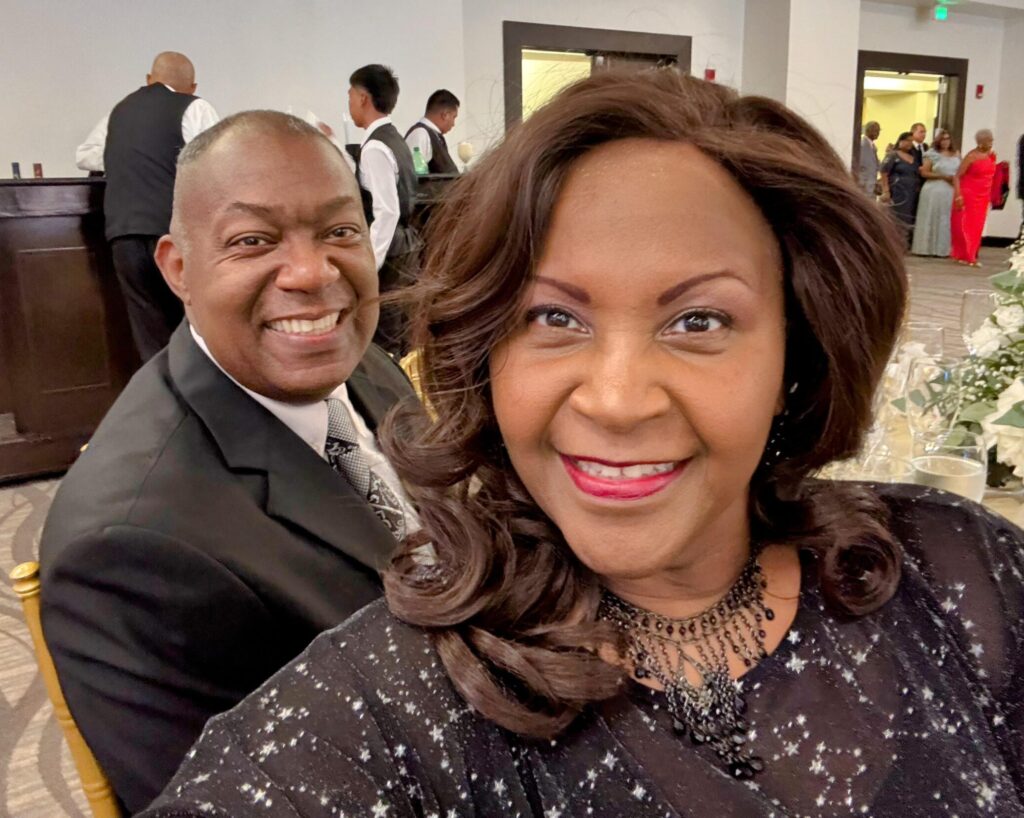
A few days after surgery, Alegra Woodard decided she was ready to get back to normal.
Recovering at home, the military spouse and cervical cancer survivor laced up her shoes and started a step aerobics workout. Within minutes, she stumbled and fell hard.
Lying on the floor, she wasn’t just embarrassed, she was terrified, thinking, “What if I tore my stitches? What if I hit my head? What if I couldn’t get up?”
Looking back, Alegra — now cancer-free for two-plus decades — realizes the moment represented more than a fall. It revealed something deeper about military life.
“As a military spouse, we have a tendency to want to demonstrate that we’re as brave as our spouses,” she says. “That we’re able to cope with adversity and pull ourselves together as part of our own contribution.”
It’s one of the qualities that helps service members and their families weather deployments, relocations, and long separations. But when cervical cancer enters the picture, that same resilience can sometimes make it harder to ask for help — or even acknowledge that help is needed.
As Americans celebrate the 250th anniversary of Independence Day and honor those who serve, it’s also worth recognizing the families who stand beside them through every assignment, every challenge, and sometimes, every cancer diagnosis.
Read on as survivors, caregivers, and experts share how military life shapes the cervical cancer journey — and why prevention, early detection, and community matter every step of the way.
Why Military Women’s Health Is Essential to Readiness
When people think about military readiness, they often picture physical fitness tests, deployments, and operational training. Dr. Elizabeth Kostas-Polston thinks about Pap tests, HPV vaccination, and preventive care.
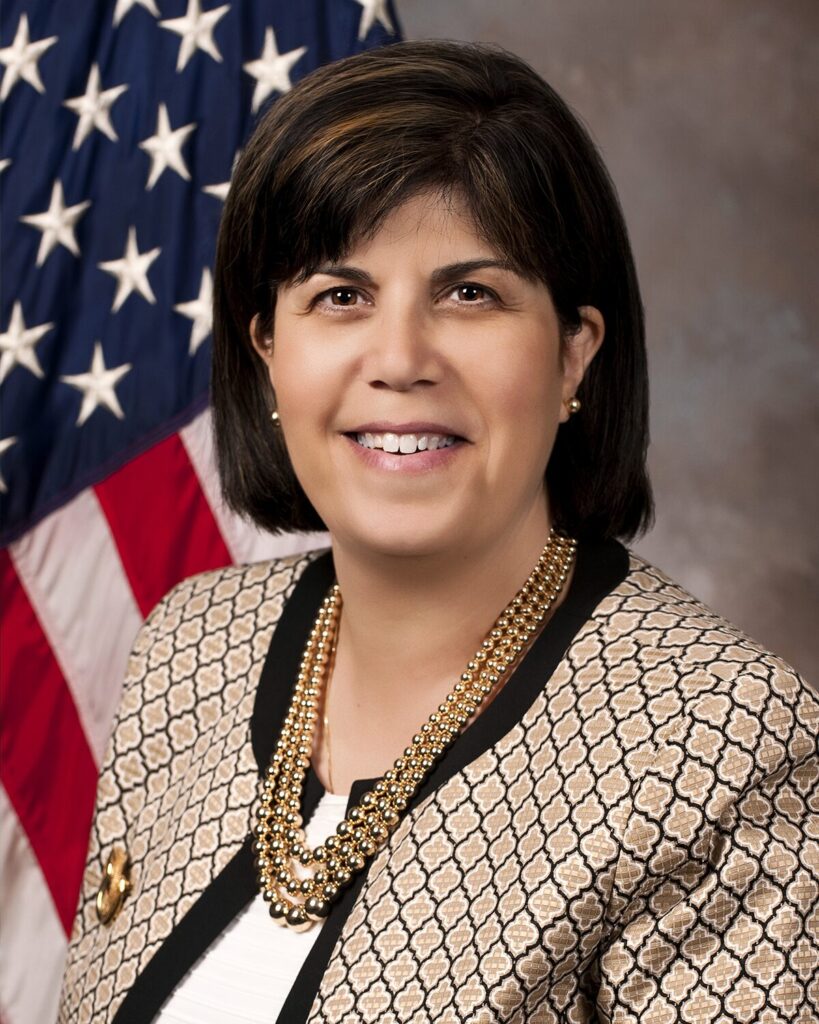
An Air Force veteran, women’s health nurse practitioner, and nationally recognized HPV researcher, Dr. Kostas-Polston has spent decades caring for military families while studying how women’s health affects military readiness.
“The Military Health System is the second-largest healthcare system in the United States,” she explains. “It serves more than nine million beneficiaries” — including active-duty service members, National Guard and Reserve members, military spouses and children, retirees, and other eligible beneficiaries around the world.
For military families, access to healthcare is only part of the equation. As Dr. Kostas-Polston notes, “Equal access does not always mean equal follow-through.”
Frequent Permanent Change of Station (PCS) moves, deployments, changing healthcare providers, remote assignments, demanding work schedules, and varying levels of health literacy can all interrupt routine screenings or delay follow-up after an abnormal Pap or HPV test.
“The patient has to be an active participant,” she says, who recommends:
- Maintaining copies of medical records
- Understanding recommended follow-up
- Asking questions
- Staying engaged with one’s healthcare especially when families move every few years
Military families, she says, must become partners in their own care.
That message resonates deeply with cervical cancer survivor Trish Byerly.
Navigating the Military Health System After a Cervical Cancer Diagnosis
Virginia resident Trish grew up in a Marine Corps family before marrying an active-duty Marine in 1998.
Two years later, while stationed near Walter Reed National Military Medical Center, the nation’s premier military hospital in Bethesda, MD, doctors found precancerous cervical changes. Because she needed additional procedures, her family’s PCS orders were delayed until treatment was complete.
After relocating, however, continuity of care became more challenging. Every six months, she found herself explaining her medical history to a new physician. Then came another setback.
“This was before the digital age,” she recalls. “After the precancer treatment, we were stationed at a smaller base and they lost my file.”
Nearly 20 years later, in 2017, Trish was diagnosed with Stage IB2 cervical cancer. Once again, she turned to Walter Reed.
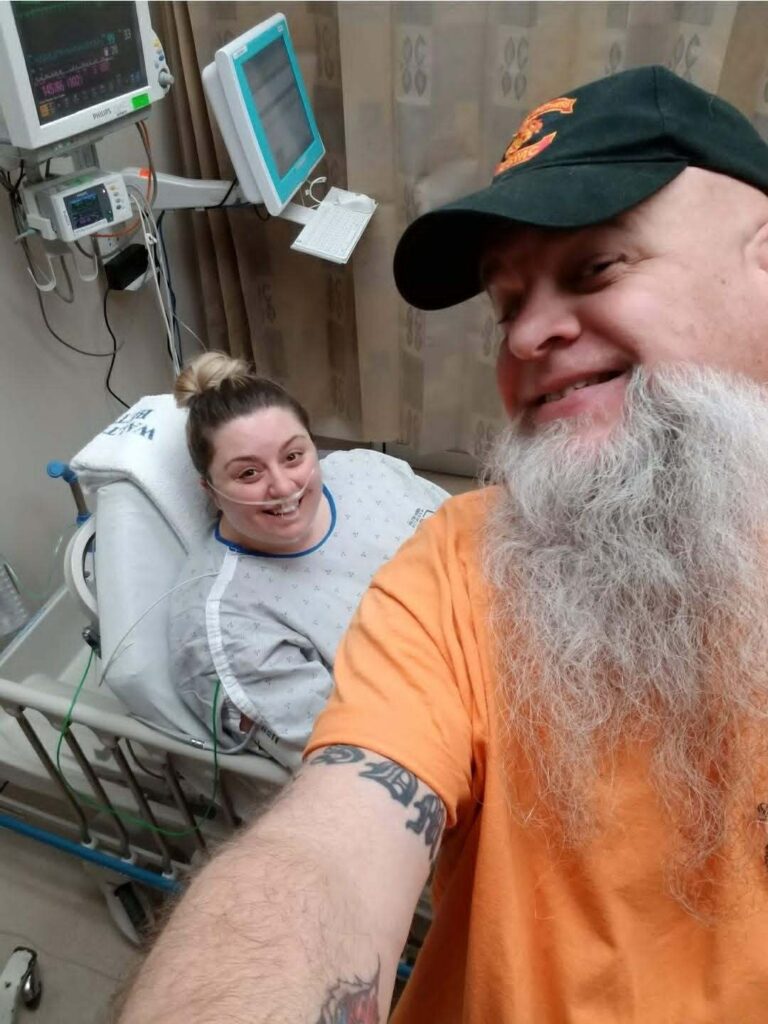
“When he told me I had cancer,” she says of her gynecologic oncologist, “he already had the plan.”
Within days, she had met her oncology team, completed pre-operative testing, and begun coordinated treatment. There were no insurance pre-authorizations delaying care. Her gynecologic oncologist met regularly with her infusion team, radiation oncologist, and case manager to coordinate every aspect of her treatment.
Today, after hearing many Cervivor stories about insurance battles and fragmented care, Trish says she sometimes felt almost guilty for how smoothly her own treatment unfolded.
“For years, I would lessen my cancer diagnosis because I felt unworthy and not entitled to complain,” says Trish, a 2025 Cervivor School graduate.
Her advice echoes Dr. Kostas-Polston’s: Keep copies of your medical records, ask questions, request care at a larger military treatment facility when appropriate, and take advantage of resources like the Fisher House Foundation if you need to travel for treatment. (Scroll down for additional resources.)
Ultimately, she says, “I think it’s important to speak up.”
How Military Families Face Cervical Cancer Together
If military life teaches resilience, it also teaches teamwork.
For Amanda Hunter and her husband, Joe, a U.S. Marine Corps veteran, those lessons became essential when Amanda was diagnosed with cervical cancer just months after the birth of their first child.
“We had a 3-month-old infant at the time,” says Kentucky-based Amanda. “My husband didn’t think twice about stepping up where I couldn’t, all while continuing to work a full-time job.”
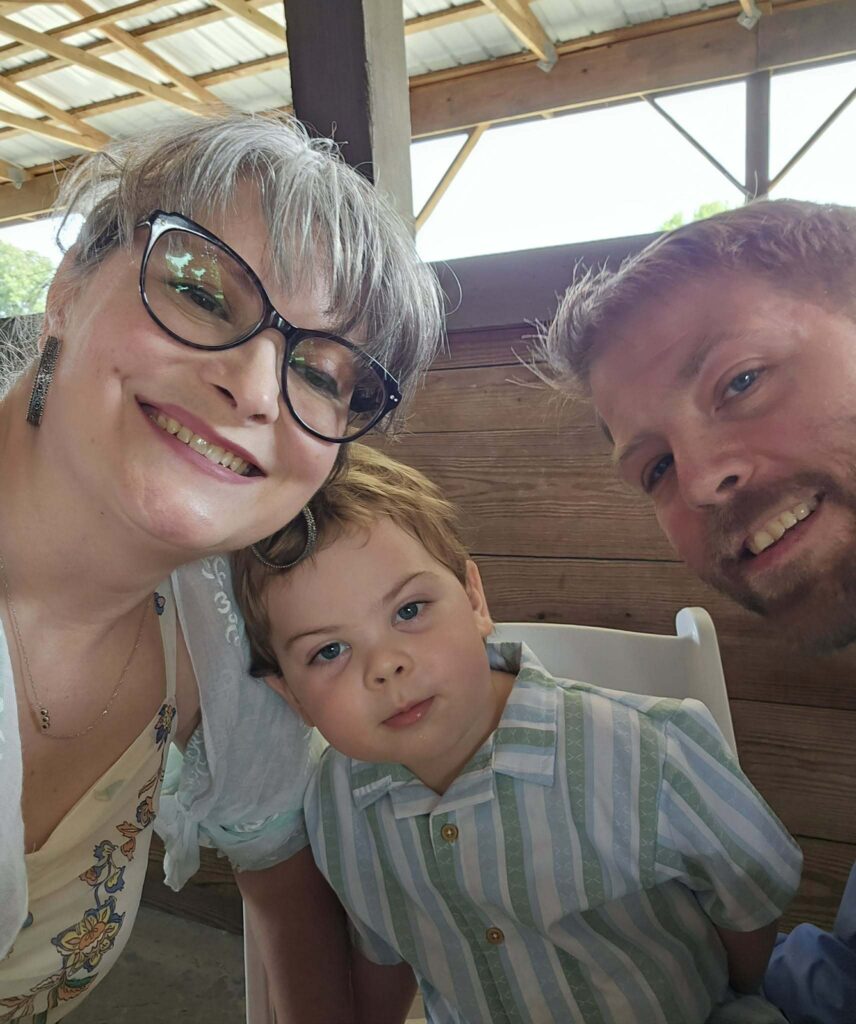
She believes his military experience equipped him for one of the hardest missions of his life.
“I think his background in the military prepared him for stressful situations and helped him be the leader I needed during surgery and treatment,” says Amanda, who will celebrate her third cancerversary this October.

Joe describes his approach in distinctly military terms. “Triage,” he says simply. “The military mindset is to observe, gather all the intel you can, and take decisive action.”
For him, that meant researching treatment options, documenting insurance claims, appealing denials when necessary, managing finances, caring for their newborn son, maintaining the household, and making sure Amanda always had the support she needed.
One lesson stands out above all. “As caregivers, we want to control every aspect of our loved one’s treatment,” Joe says. “But I had to let her have the final decision about her treatment pathway.” Amanda needed confidence in her treatment plan, he explains, and he needed to be ready to advocate for her if she couldn’t advocate for herself.
Looking back, Amanda says her husband’s support went far beyond practical tasks.
“He took on everything treatment-related for me financially,” she says. “I never felt like an option for treatment was out of reach.”
Today, survivorship continues to shape their marriage.
“We definitely don’t take our time together for granted now,” Amanda says. “With the physical changes from radical hysterectomy and chemoradiation, we’ve had to figure out how to be intimate again. It has required a lot of patience and grace.”
Joe also learned the importance of caring for himself. He encourages other military caregivers to document everything, use available support resources, and look for moments of joy along the way. “When we had to take long drives or extended trips for her care,” he says, “we tried to turn them into miniature vacations.”
The Emotional Impact of Cervical Cancer on Military Families
Cancer doesn’t only change the person diagnosed. It changes the people who love them.
For Alegra’s husband, Bobby, a retired Air Force Master Sergeant, one memory has never faded.
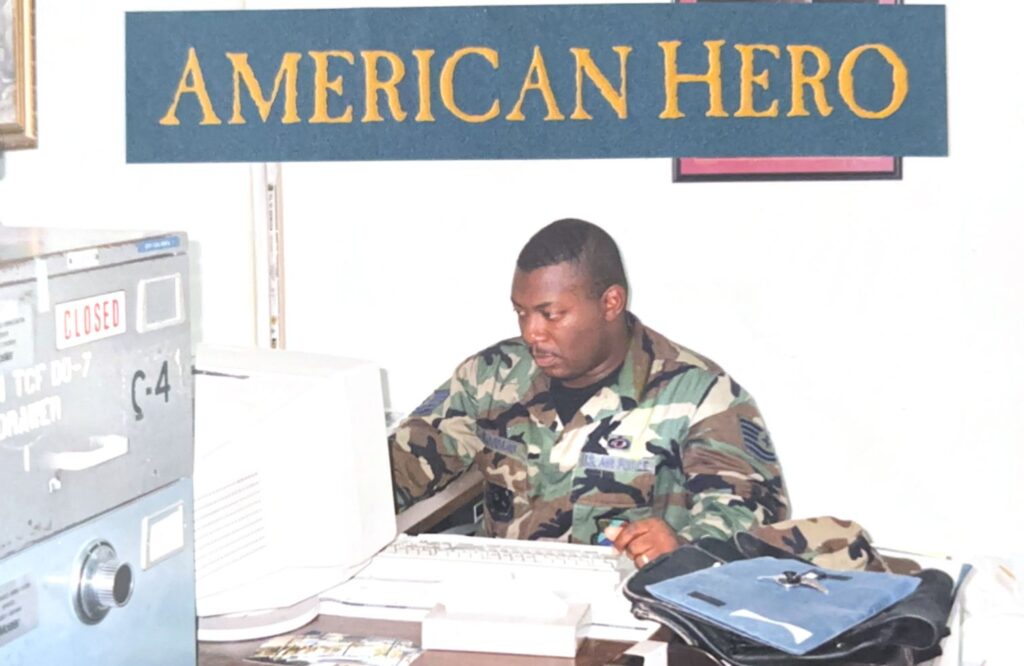
Before surgery, doctors explained that if they discovered the cancer had spread, they would stop the procedure and simply tell the family how much time she had left.
Alegra had one request. If the news was good, bring flowers to her recovery room. If it wasn’t, don’t.
“In my mind,” Bobby says, “there were going to be flowers regardless.”
More than 25 years later, he admits he still hasn’t fully recovered from the experience. “I am still a helicopter husband,” he says.
When Military Service Meets Family Caregiving
Missourian Kim Arnold understands the power of family support from yet another perspective.

In 2019, she was facing a metastatic recurrence while working full-time, caring for her mother with dementia, and raising her family. “I didn’t have time to be sick,” she says.
Her middle son was serving on active duty overseas. Without telling her, he requested leave. His commander approved it immediately.
“I didn’t even know he was coming home,” Kim says. “He showed up at one of my chemo treatments and surprised me.” Though she says she doesn’t cry easily, “I cried when he gave me a hug.”
For the next month, he drove her an hour each way to chemotherapy and radiation. During those daily drives, they talked about his childhood, his military service, his dreams for the future, and the sacrifices she had made raising three boys on her own. He thanked her for being a good mom.
“We were essentially saying the things we had never said,” Kim says, “just in case we didn’t get the chance later.”
Her oldest son attended every chemotherapy appointment. Her youngest became what she affectionately calls her “hype kid.” Even her mother, on her good days, cared for her in return.
“Positive family interactions give a cancer patient the strength to keep going,” says Kim, now cancer-free for six years. “The love gives them hope for the future.”
Cervical Cancer Prevention Is Part of the Mission
For Dr. Kostas-Polston, these stories all point back to one simple truth: The strongest military families are not only resilient — they’re proactive.
Protecting readiness means staying current on cervical cancer screening, following up promptly after an abnormal Pap or HPV test, and ensuring eligible children receive the HPV vaccine, which can prevent six HPV-related cancers later in life.
Whether serving on active duty, supporting a loved one through deployments, or navigating life after military service, prevention remains one of the most powerful ways families can protect one another.
Cervical Cancer Resources for Military Families and Veterans
Military families and veterans have access to a number of resources — including our own organization — that can help with cervical cancer prevention, treatment, and survivorship:
- TRICARE – TRICARE is the uniform services healthcare program for active-duty service members, retirees, and their families. It fully covers annual preventive women’s health services with no out-of-pocket costs (including Pap and HPV tests and pelvic exams) as well as the HPV vaccination for beneficiaries aged 9 to 45, follow-up diagnostic testing and procedures, specialty referrals, and cancer treatment for eligible beneficiaries.
- Health.mil – This is the official public website of the Military Health System (MHS) and the Defense Health Agency (DHA). It offers information about preventive care, reproductive health, and women’s health services, including where and how to access care at Military Treatment Facilities (MTFs) globally. The Cervical Cancer page is an especially valuable resource.
- VA Women’s Health – A dedicated branch of the Department of Veterans Affairs (VA), it addresses the unique physical and mental health needs of women veterans enrolled in VA healthcare. Every VA medical center features a dedicated Women Veterans Program Manager to help navigate care, from routine screenings to advanced cancer specialty care, physical rehabilitation, and survivorship support. Eligible veterans may also receive care from community providers when appropriate.
- Fisher House Foundation – Fisher House is highly respected for providing “a home away from home” for families of patients receiving medical care at major military and VA medical centers. It provides free lodging for eligible military and veteran families who must travel away from home for medical treatment (like cancer therapy).
- Cervivor, Inc. – Founded 21 years ago by cervical cancer survivor Tamika Felder, Cervivor has grown into a leading patient advocacy organization dedicated to ending cervical cancer and HPV-related cancers. Through peer support, education, advocacy, and community-building, Cervivor empowers patients, survivors, and caregivers to share their stories and ensure no one faces cervical cancer alone.
Military families spend their lives answering the call to serve. By making prevention, early detection, and HPV vaccination part of that mission, they can help ensure that future generations spend less time fighting cancer — and more time living the healthy lives they’ve worked so hard to protect.
This Independence Day, Team Cervivor thanks the service members, veterans, military spouses, caregivers, and families who protect our nation, and who, every day, protect one another.