By Cervivor Communications Assistant Kyle Minnis
Every June, Pride Month celebrates the resilience, diversity, and strength of LGBTQ+ communities while shining a light on the work that remains to achieve true equity and inclusion.
June is also National Cancer Survivorship Month, a time to honor survivors, caregivers, advocates, and loved ones whose lives have been shaped by cancer.
For LGBTQ+ individuals, the cancer experience can come with unique challenges, including:
- Healthcare disparities, such as discrimination, financial barriers, and fear of being misunderstood, judged, or misgendered.
- Finding safe and affirming care, where patients feel respected, supported, and able to be themselves.
- Misinformation and lack of representation, which can create barriers to screening, diagnosis, treatment, and survivorship.
These barriers can have real consequences, contributing to missed screenings, delayed care, and poorer healthcare experiences.
“At Cervivor, we believe every person affected by cancer deserves to be seen, heard, and affirmed exactly as they are, all year long,” says Tamika Felder, Cervivor Founder and Chief Visionary. “No one should have to choose between protecting their health and protecting their dignity.”
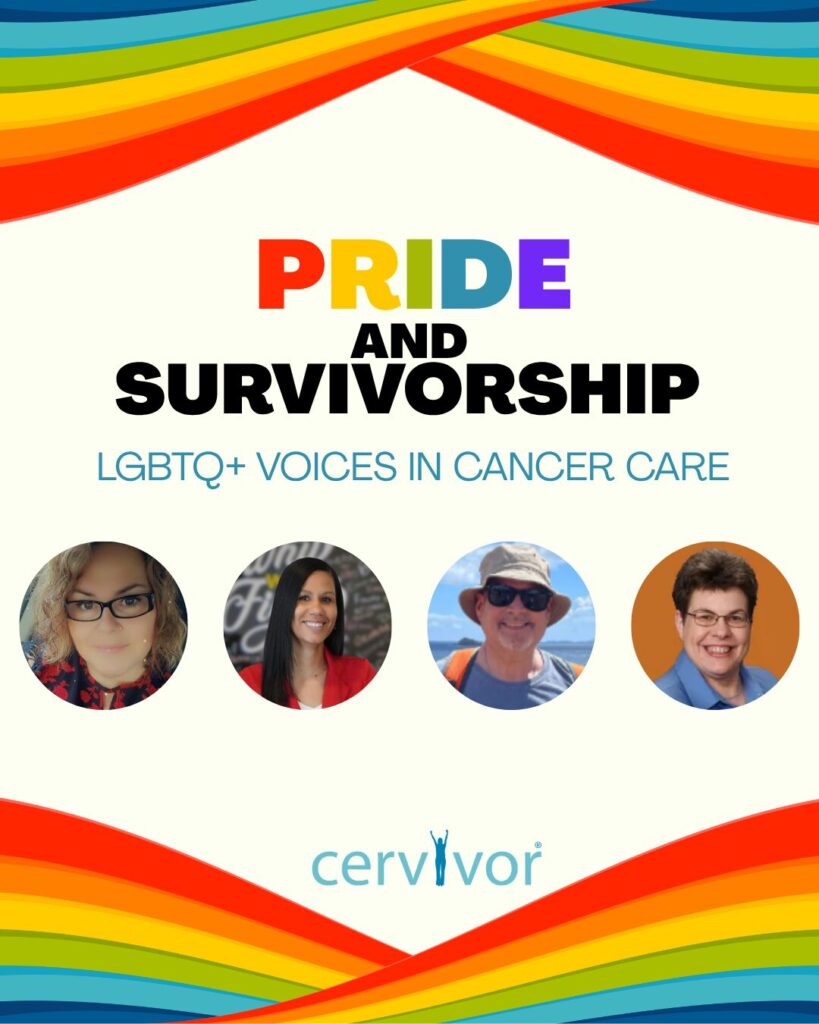
This Pride Month and National Cancer Survivorship Month, we’re sharing stories from LGBTQ+ cancer survivors and advocates whose experiences highlight the power of visibility, inclusive care, and community.
LGBTQ+ Voices Across the Cancer Journey
One of the most powerful ways we can create change is by sharing our experiences. When LGBTQ+ cancer survivors and caregivers tell their stories, they help break down misconceptions, reduce stigma, and remind others that they are not alone.
Lea’s Story: When Care Includes Everyone

For Lea Boone, a cervical cancer survivor and member of our Cervivor Pride community, one of the most important sources of strength throughout her cancer journey was the unwavering support of the people around her.
Family and friends rallied around her in meaningful ways, creating opportunities for connection and normalcy during a difficult time. “They planned weekly dinners, prayer sessions, game nights,” recalls Lea. “All of these gave me strength and encouragement.”
Her loved ones also helped her navigate the complexities of treatment by staying engaged in her care. They encouraged her to record medical appointments so they could listen, ask questions, and help her process information that might otherwise have been overwhelming.
Lea considers herself fortunate to have received care from providers who treated her and her partner with respect and inclusion. “Just because I am part of the LGBTQ+ community did not make me ‘different,'” she says. She appreciated that her healthcare team included her partner in conversations about recovery, aftercare, intimacy, and the physical and emotional changes that can follow treatment, recognizing the important role partners play in a patient’s healing and well-being.
Her experience also highlights an often-overlooked aspect of cancer care: the needs of caregivers and family members. “Cancer affects everyone… the patient and the family,” she explains. She believes healthcare systems should do more to support the people who stand beside patients throughout treatment, recovery, and survivorship, as they often carry their own fears, questions, and emotional burdens along the way.
LaTasha’s Story: Creating Safer Spaces for Care
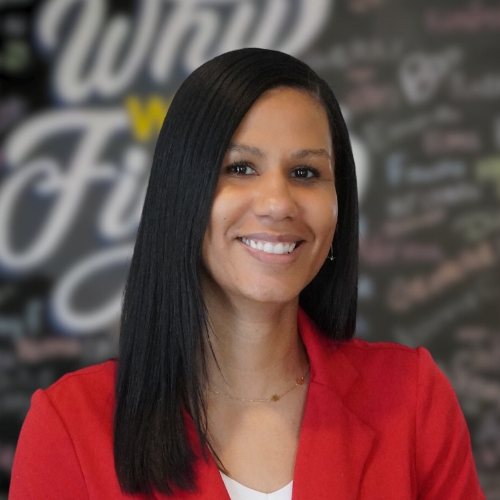
For LaTasha Fisher, an AYA Community & Remote Patient Navigator at the Ulman Foundation, creating spaces where people feel seen, supported, and safe is both a professional and personal mission.
As a queer woman working closely with young adults navigating cancer care, LaTasha understands the unique barriers LGBTQIA+ individuals can face when it comes to cervical cancer screening and treatment. She notes that transgender men are less likely to receive routine screenings due to concerns ranging from gender dysphoria to fear of discrimination.
“Healthcare spaces can feel isolating for LGBTQIA+ patients, and sometimes seeing someone who signals support and advocacy can make a difficult experience feel a little less overwhelming,” she says.
LaTasha believes affirming care starts with creating an environment where patients feel respected and understood. She encourages providers to use inclusive intake forms, respect chosen names and pronouns, and communicate clearly about procedures and care decisions.
“A few ways that healthcare professionals can show up better for this community are to make sure forms include space for chosen names and pronouns, ensure those preferences are updated across all systems, and train staff on the importance of using them correctly,” she explains.
For LaTasha, building trust and visibility within healthcare settings is everyone’s responsibility. “Everyone should be doing their part, and my hope is that in doing so, you will inspire others to do the same.”
Craig’s Story: Trust, Visibility, and Better Outcomes

For Craig Lustig, a long-term brain cancer survivor, advocate, and host of the podcast Cancer Rebranded, cancer has always been just one part of a much larger story. “Just because you have cancer doesn’t mean that you are cancer,” he says.
Diagnosed with a rare brain tumor at age 27, Craig learned firsthand how difficult it can be when important parts of a person’s identity go unrecognized during cancer treatment. As a gay man undergoing treatment in the early 1990s, much of his care took place in pediatric oncology, where he was surrounded by children and teens and found few opportunities to discuss his experiences as a young adult or a member of the LGBTQ+ community.
“This was a time when HIV/AIDS was a huge concern for gay men and the broader gay community,” Craig recalls. “While I wouldn’t say I experienced homophobia in a direct way, I felt uncomfortable in that environment when it came to my sexuality and being open about who I was. It was the right place for me to be treated, but it was very isolating.”
That experience shaped his belief that trust is essential in cancer care, particularly for LGBTQ+ cancer survivors and patients. “When you have a life-threatening disease like cancer, being comfortable with your healthcare provider and able to be fully candid leads to better outcomes,” he says.
Craig recommends greater understanding among providers. “We need ongoing communication and education between the cancer care community and LGBTQ+ patients to build trust and ensure that queer cancer patients receive the same high-quality care — free from bias or judgment — that every patient deserves.”
Laura’s Story: Love, Advocacy, and Being Seen
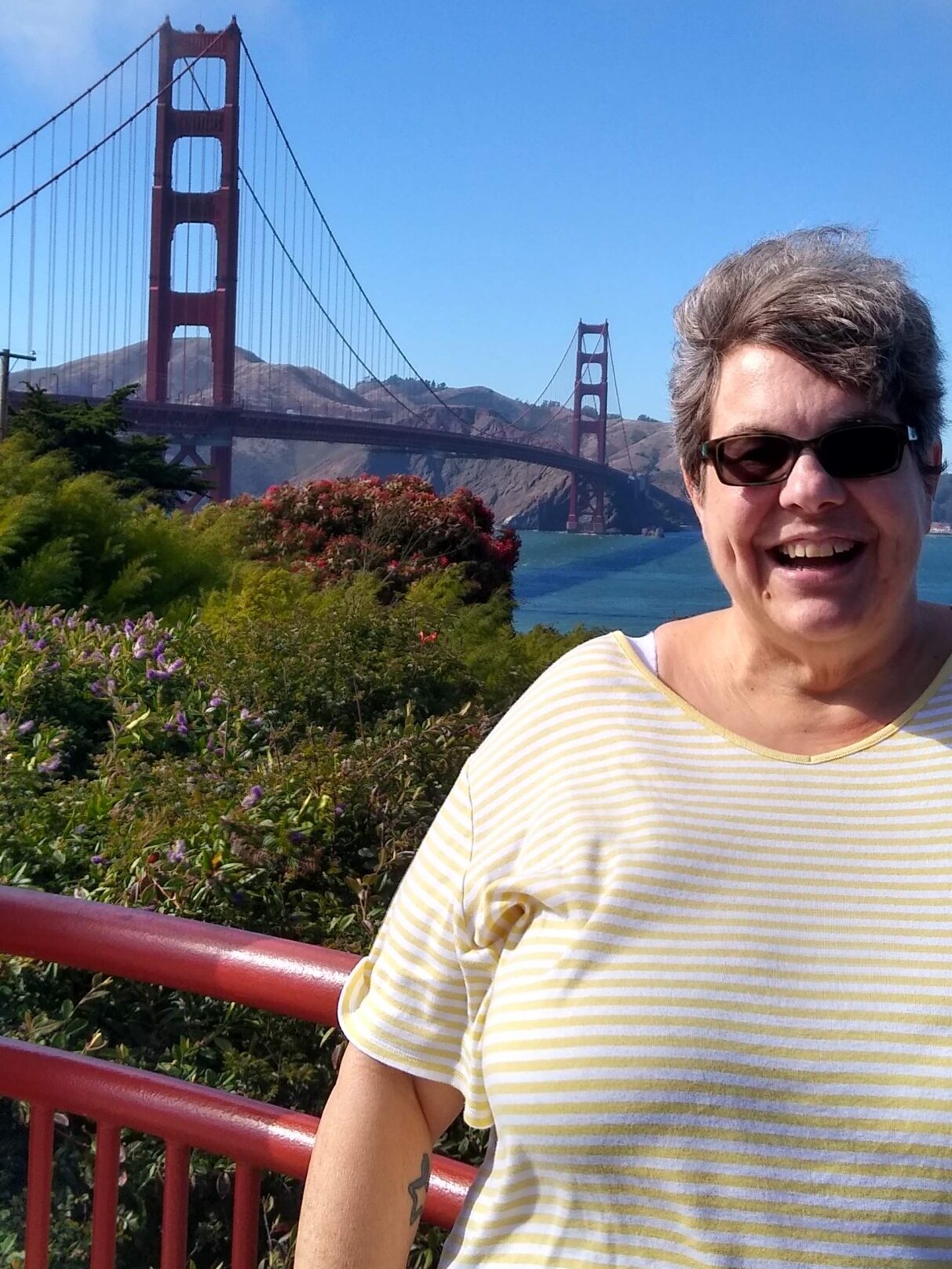
For Dr. Laura D. Porter, MD, FASCO, a Stage IV colon cancer survivor and Medical Affairs Consultant, survivorship and advocacy have been deeply intertwined since her own diagnosis.
Diagnosed with metastatic colon cancer in 2003 while completing her pediatric residency, her life and medical training were abruptly interrupted. After two recurrences, she became cancer-free in 2006 — a turning point that led her to patient advocacy and oncology research support work.
Looking back, Dr. Porter credits her chosen family and broader support network with helping her through treatment.
“I had an incredible support system… I was never alone the first year after my diagnosis,” she shares. “My family, including my extended family and friends from medical school, residency and from a 12-step program, all showed up to ease the burden of the diagnosis and treatments. I felt so loved and supported.”
As a member of the LGBTQ+ community, she also faced additional barriers while navigating cancer care with her partner at the time, now wife. “One of the most difficult parts of the journey was all the paperwork that was required for Bonnie to be considered my next of kin,” she recalls. “At times it was a burden, trying to explain why she should be able to stay and making sure all the correct paperwork was done.”
Her personal and professional experiences have deepened her commitment to ensuring patients feel seen, supported, and empowered throughout their care. “I have been very vocal and active in sharing my story, and my medical training and experience helped me support others going through the same process,” she says. “I have always been OUT and about, but when we were able to get married it legitimized our relationship.”
Today, as her wife faces her own battle with metastatic lung cancer, Dr. Porter sees firsthand how legal recognition can shape the caregiving experience. “I am her wife, and I am her next of kin. I have to manage everything… and on the days that it is difficult, I can rest in the knowledge that I am her wife and no one can take that away.”
Resources and Community for LGBTQ+ Cancer Survivors
The stories shared here reflect the diversity of LGBTQ+ experiences across the cancer continuum. While some individuals face barriers to screening, treatment, or affirming care, others, like Lea and Laura, demonstrate what is possible when healthcare providers recognize and respect the whole person — including their identity, relationships, and support systems.
Finding Community Through Cervivor
If you’re an LGBTQ+ cancer survivor, patient, caregiver, advocate, or loved one, know this: Your story matters. Your experiences are valid. Your voice deserves to be heard.
We invite you to join our private LGBTQ+ Facebook group (for more info, contact Cervivor Pride Lead Karen North), or apply to attend our upcoming Gynecologic Cancer Survivors Retreat & Advocacy Training powered by Cervivor School.
Looking for more stories, insights, and resources? Explore these Cervivor articles and discussions focused on LGBTQ+ experiences in cancer care and survivorship:
- Every Cervix Matters: LGBTQIA+ Voices in the Fight Against Cervical Cancer
This article elevates the voices of LGBTQ+ survivors and healthcare providers, demonstrating how lived experiences can challenge stereotypes, foster understanding, and inspire change. - Pride and Prevention: Breaking Down Barriers to Cervical Cancer Care for LGBTQIA+ Communities
This article explores the unique challenges LGBTQ+ individuals face in prevention, screening, and care while highlighting opportunities to create more inclusive healthcare experiences. - Inclusive Screening: Breaking Down the Barriers in the LGBTQIA+ Community
Led by Dr. Mandi Pratt-Chapman, this panel discussion examines how healthcare providers can build trust, challenge assumptions, and create safer, more affirming spaces for LGBTQ+ patients.
While Pride Month shines an important spotlight on LGBTQ+ experiences, the work of creating welcoming, affirming spaces for people affected by cancer continues year-round. Whether you’re a healthcare provider, caregiver, advocate, survivor, or ally, you can help by:
- Listening to and amplifying LGBTQ+ survivor and caregiver voices.
- Respecting and using a person’s chosen name and pronouns.
- Avoiding assumptions about someone’s gender, sexual orientation, relationships, or healthcare needs.
- Using inclusive, person-centered language.
- Advocating for healthcare environments where everyone feels safe, respected, and welcome.
- Learning about the unique challenges LGBTQ+ individuals face in cancer care and survivorship.
Together, we can continue building a community where everyone affected by cervical cancer feels seen, supported, and empowered.
Because cancer doesn’t discriminate. And neither should support.
About the Author

Kyle Minnis is a recent graduate of Strategic Communications at the University of Kansas with a passion for digital media, storytelling, and audience engagement. He has experience in content strategy and media production. Kyle is especially interested in the intersection of media, branding, and digital growth.