20 Years Later: Celebrating the HPV Vaccine — and the Work Still Ahead 

By the Cervivor Communications Team

Today marks 20 years since the FDA approved the first HPV vaccine — a milestone that has prevented countless HPV‑related cancers and saved lives across the globe.

While this anniversary is worth celebrating (and we gushed about it on International HPV Awareness Day this March), leaders in cancer prevention agree: There is still significant work ahead to increase vaccine uptake, combat misinformation, and ensure equitable access to prevention.

A National Voice for HPV Cancer Prevention

One of those leaders doing the work is Cervivor’s Founder and Chief Visionary Tamika Felder.

Just last week, during a Senate Permanent Subcommittee hearing on vaccine safety and attacks on science research, she delivered a powerful message:

“As a cervical cancer survivor and advocate, I have seen both the devastating toll of cancer and the profound promise of prevention… We must continue to share science-based information openly, support rigorous safety monitoring, and ensure that every person has the opportunity to protect themselves and their families.”

Cervivor Founder Tamika Felder was one of seven witnesses invited to address U.S. Senators on vaccine safety during a June 3, 2026, hearing. (PBS screenshot)

In a recent article with the University of Minnesota’s Center for Infectious Disease Research and Policy (CIDRAP), Tamika added, “I know for a fact my parents would have vaccinated me.” The vaccine wasn’t available when she survived cervical cancer 25 years ago.

For Cervivor, HPV vaccine education isn’t limited to awareness days or anniversaries (though we do love celebrating those!). It is a year‑round commitment powered by cervical cancer survivors, researchers, healthcare providers, and public health leaders working toward the elimination of cervical cancer.

Below are upcoming events and recent content from Cervivor and our partners — all helping spread awareness of the life‑saving power of HPV vaccination along with regular screening. 

Upcoming Awareness Events

Whether online or in person, these upcoming events offer opportunities to learn, connect, and help advance the conversation around HPV prevention and cervical cancer elimination.

Celebrating 20 Years of HPV Vaccination in the U.S.

June 12, 2026 | Virtual Webinar | 12–1 PM CT

Hosted by the St. Jude HPV Cancer Prevention Program, this special webinar marks the 20th anniversary of the FDA approval of the first HPV vaccine. Cervivor Founder and Chief Visionary Tamika Felder, a co-chair of the National HPV Vaccination Roundtable, will join experts from across the cancer prevention community to discuss the future of HPV cancer prevention.

Gynecological Cancer Survivors Retreat and Advocacy Training

September 24–27, 2026 | Scottsdale, Arizona

Powered by the highly acclaimed Cervivor School, this immersive retreat welcomes survivors of all gynecologic cancers and equips them with skills to advocate for prevention, screening, and vaccination, amplifying awareness of HPV-related cancers and the tools available to prevent them.

2027 Cervical Cancer Summit Powered by Cervivor, Inc.

January 28–31, 2027 | Washington, D.C.

The Cervical Cancer Summit convenes survivors, advocates, clinicians, researchers, and policymakers to advance cervical cancer prevention and elimination. HPV vaccination remains a key focus, with experts addressing barriers to uptake and strategies to improve access. At the 2026 Cervical Cancer Summit, immunization expert Dr. Michelle Fiscus, MD, FAAP, emphasized that misinformation remains one of the biggest obstacles to vaccination. Save the date! 

Association of Immunization Managers’ CMO Michelle Fiscus, MD, FAAP, was a featured speaker at Cervivor’s 2026 Summit.

Must-Listen Podcasts

From a forthcoming anniversary special to a Cervivor classic, these episodes spotlight the science, stories, and advocacy driving HPV cancer prevention.

A Dose of Optimism Podcast: Celebrating 20 Years of HPV Vaccination

Hosted by Omkar Kulkarni, Chief Innovation & Transformation Officer at CHPA and Founder and Managing Director of KidsX, this special anniversary episode features vaccine expert Dr. Paul Offit and advocate Judy Klein. The conversation reflects on 20 years of HPV vaccination, ongoing challenges to vaccine uptake, and opportunities to prevent more HPV-related cancers. Expected to be released the week of June 15, stay tuned for the upcoming episode.

Cervivor Podcast: “All Your Questions Answered About the HPV Vaccine” with Guest Dr. Nathan Boonstra

Originally released in 2022, this episode remains an excellent resource for anyone seeking reliable information about the HPV vaccine. Cervivor Ambassador and host Joslyn Paguio sits down with Iowa pediatrician Dr. Nathan Boonstra to answer common questions about vaccine safety, effectiveness, and the importance of childhood immunizations.

Cervivors: In Their Own Words

These recent Cervivor Blog posts spotlight survivor experiences while championing leaders in HPV vaccination education, research, and advocacy — and providing actionable information to help prevent HPV-related cancers. 

Cervical Cancer Prevention: Real Survivor Stories, Real Lessons About Early Detection

Cervical cancer prevention graphic with teal ribbon and survivor portraits of Nia Casey, Ayanna Bass, and Trish Byerly, highlighting early detection awareness

Published during April’s National Cancer Prevention and Early Detection Month, this collection of first-person survivor stories demonstrates how prevention, screening, and early detection can save lives. 

Women Leading the Charge Toward Cervical Cancer Elimination

Women healthcare leaders on a purple banner with a graphic highlighting diverse women.

This Women’s History Month post highlights researchers, clinicians, and public health leaders driving progress in HPV vaccination, cervical cancer prevention, and elimination efforts. 

A Cervical Cancer Survivor’s Story: The Truth About the HPV Vaccine — And Why Every Parent Should Start at Age 9

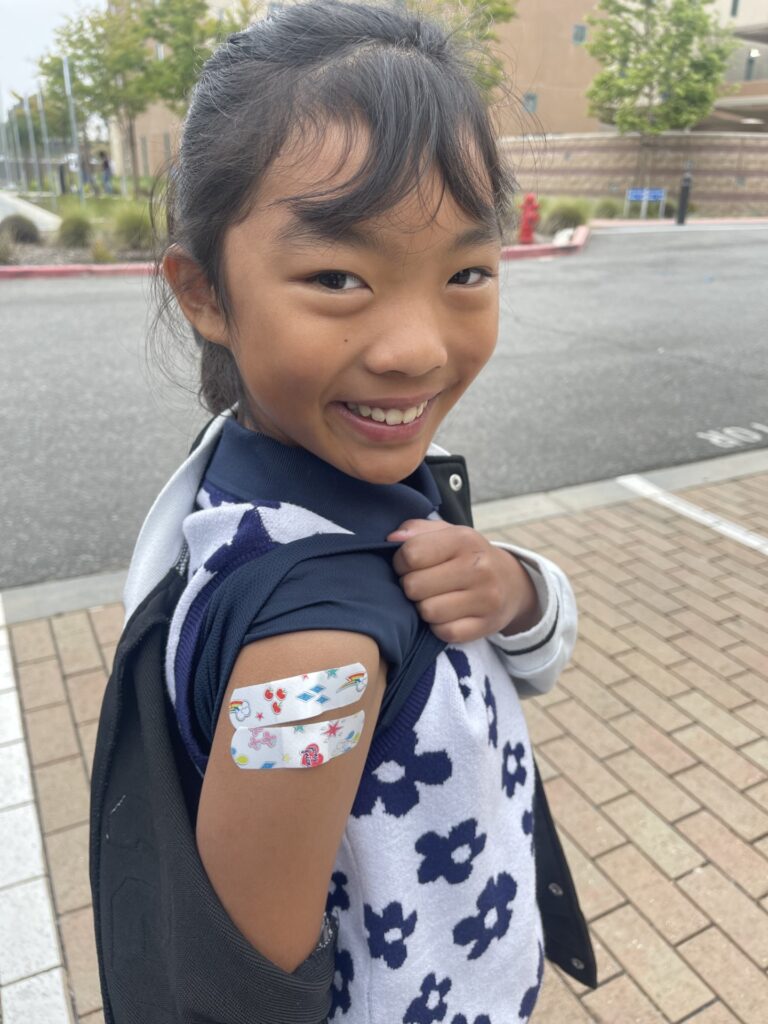
Written by Cervivor Ambassador Ginny Marable (pictured) during Cervical Cancer Awareness Month 2026, this personal reflection explores why she wishes the vaccine had been available to her and why starting at age 9 offers children protection long before exposure to HPV. 

HPV Vaccine Facts: What Everyone Should Know

This accessible resource breaks down vaccine safety, effectiveness, and cancer prevention benefits while addressing common misconceptions. As Cervivor Ambassador Zuli Garcia shared during National Immunization Awareness Month in 2025: “I’m living proof of what happens when access comes too late. The HPV vaccine represents hope, protection, and equity.”

Preventing HPV-Related Cancers: Cervivor’s Urgent Call for Action This Women’s Health Month

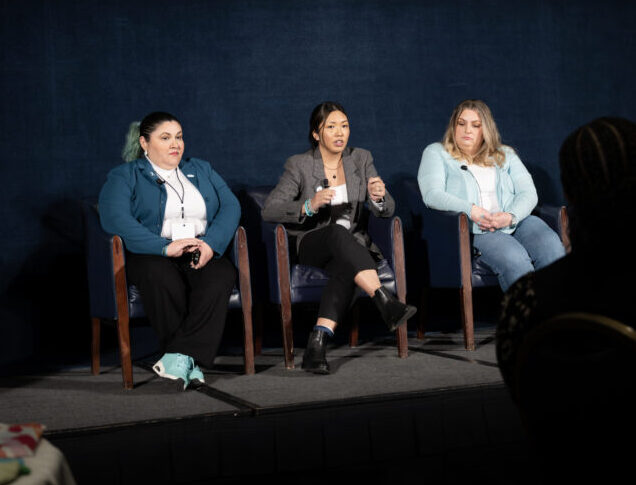
Following the first-ever National HPV Conference last year, where Tamika participated as a panelist (above center), this article highlights practical steps individuals, healthcare providers, and policymakers can take to reduce HPV-related cancers through vaccination, prevention, and public health action.

The Work Continues

Twenty years after the HPV vaccine’s approval, progress is undeniable. Yet too many people remain unvaccinated, too many families lack access to accurate information, and too many HPV-related cancers still occur.

Published today, CIDRAP’s “Two Sisters, One Virus: A Family Devastated by HPV” tells the story of former Lead Cervivor Ambassador Erica Frazier Stum, who died of cervical cancer at age 33, and the legacy of advocacy she left behind. As her sister, Hallie Martin, reflected, “A vaccine could have saved her life.”

“Erica Frazier Stum learned to surf after being diagnosed with incurable cervical cancer,” wrote CIDRAP investigative reporter Liz Szabo, MA.

Stories like Erica’s remind us why this work matters, which is exactly what Cervivor Founder Tamika Felder told Senators last week:

“Too many lives are cut short by cervical cancer. Erica Frazier Stum, Teolita Rickenbacker, and Becky Wallace were more than diagnoses — they were mothers, sisters, friends, and contributors to their communities. Their stories remind us why prevention, vaccination, and continued research are essential to saving lives.”

That is why Cervivor remains committed to education, advocacy, and survivor-powered action — not just today, but every day. Through storytelling, partnerships, public education, and policy engagement, we will continue working toward a future where no one has to face a preventable HPV-related cancer, especially not alone.

Marking a Milestone: Q&A on the First World Cervical Cancer Elimination Day

Is it really possible to eliminate cervical cancer—not just reduce it or manage it, but wipe it off the map for good? The World Health Organization (WHO) says yes, and has set ambitious global targets to get there by 2030.

The WHO’s 90‑70‑90 cervical cancer elimination strategy calls for:

  • 90% of girls vaccinated against HPV by age 15
  • 70% of women screened by age 35 and again at 45
  • 90% of those diagnosed receiving timely treatment

But meeting this deadline will take more than aspiration—it will take collective action. And today is a major step forward.

November 17, 2025, is the first-ever World Cervical Cancer Elimination Day, designated earlier this year by the World Health Assembly. Think of it like World AIDS Day or World Polio Day—global observances that didn’t just raise awareness, but helped spark the vaccines, screenings, and policies that pushed those diseases to the brink of eradication.

Cervivor, Inc. Founder and Chief Visionary Tamika Felder and Nigeria’s First Lady and healthcare pioneer, Dr. Zainab Shinkafi-Bagudu, were among the leaders who advocated for the day’s creation, including co-authoring a global call to action via the World Economic Forum to support it and elevate its importance on the world stage.

“I started Cervivor 20 years ago to support those affected by cervical cancer, hoping one day it wouldn’t be needed,” Tamika reflected at the time. “But too many communities are still suffering and dying from this preventable disease. A global day of recognition sends a powerful message: Awareness isn’t enough—the time for education, action, and elimination is now.”

Tamika delivers her annual “State of Cervical Cancer” address at the 2025 Cervical Cancer Summit—rallying survivors, advocates, and health leaders toward a future free from cervical cancer.

Below, we bring you an exclusive Q&A with Tamika and Dr. Bagudu, who is also Founder and CEO of the Medicaid Cancer Foundation and President-elect of the Union for International Cancer Control (UICC), answering the same questions from Maryland, USA, and Kebbi State, Nigeria, respectively. Their voices—one from the frontlines of African health equity and the other from the heart of patient advocacy—remind us: Elimination isn’t a solo act. It’s a chorus.

Q: Why does World Cervical Cancer Elimination Day matter?

Tamika: As a cervical cancer survivor, this day feels deeply personal. It represents something I once couldn’t imagine: hope for a world where no one else has to hear the words “you have cervical cancer.” When the World Health Organization declared that eliminating cervical cancer is within reach, it turned our fight from awareness into action.

For survivors, this first official World Cervical Cancer Elimination Day is a milestone that honors every story, every loss, and every victory along the way. It reminds us that our voices matter and that lived experience can guide smarter policies, stronger outreach, and more compassionate care.

Dr. Bagudu: World Cervical Cancer Elimination Day is symbolic—a rallying point for action. The WHO’s declaration that elimination is within reach shows this is an achievable reality if we commit to the right strategies.

  • Globally, it unites countries around a common goal: HPV vaccination, wider screening, and timely treatment. As President-elect of the UICC, I see this observance as a vital tool to keep cervical cancer high on the agenda, especially for low- and middle-income countries.
  • Nationally in Nigeria, it validates years of advocacy by First Ladies Against Cancer (FLAC), which I co-founded. The FLAC Screening Clinic in Kebbi is one example of how global commitments can translate into local action.
  • Personally, it is deeply meaningful. As a physician, mother, and advocate, I have seen both the devastation of late diagnosis and the hope that comes with early screening or HPV vaccination.

Ultimately, this day transforms aspiration into accountability. It tells the world: We can, and we must, eliminate this disease in our lifetime.

Dr. Bagudu, presenting a diagram of the female reproductive system to women in a rural community in Kuje, Abuja, aims to empower people in her country—and around the world—with life-saving information on cervical cancer prevention and the importance of early screening.

Q: How can a global day like this drive real change?

Tamika: We’ve seen the power of global observances before. Days like World AIDS Day and World Polio Day didn’t just raise awareness; they mobilized action, funding, and accountability. World Cervical Cancer Elimination Day can do the same.

In the United States, it can shine a light on the inequities that persist in prevention and care while inspiring innovation and collaboration. When survivors, clinicians, policymakers, and advocates unite around a shared message, we can accelerate progress toward eliminating this preventable cancer.

Dr. Bagudu: Nigeria has made important strides. The government’s rollout of the HPV vaccination program is a landmark step, protecting millions of young girls. Screening services are also expanding, with initiatives like the FLAC Screening Clinic in Kebbi showing how early detection can be brought closer to communities.

Civil society has been central. Through First Ladies Against Cancer (FLAC), we’ve sustained awareness campaigns, mobilized resources, and ensured continuity of programs. Partnerships with groups like Roche and the Clinton Health Access Initiative have strengthened diagnostics and treatment pathways. And of course, the Medicaid Cancer Foundation is at the heart of it all.

Still, challenges remain. Many rural women face barriers of distance, cost, and stigma. Shortages of trained health workers delay follow-up and treatment. And while HPV vaccines are now part of the national program, consistent supply and uptake across all states will require sustained political will and funding.

For me, this progress proves that change is possible when government, civil society, and partners work together. But it also reminds us that elimination will not happen automatically—it demands accountability, innovation, and persistence.

Q: Why is cervical cancer elimination especially urgent in low-resource regions?

Tamika: The U.S. has the knowledge and tools to prevent nearly all cervical cancers, yet persistent inequities mean prevention isn’t reaching everyone. Communities of color, people in rural areas, immigrants, people without reliable insurance, and those with language or transportation barriers face higher risks and lower access to vaccination, screening, and timely treatment. As a survivor, I know how much access, awareness, and advocacy can determine outcomes.

Elimination in the U.S. must start with equity. That means expanding vaccination access in schools and clinics, funding community-led education, and supporting policies that make screening and treatment affordable and available for everyone. Until every community is reached, we have not truly achieved elimination.

At the recent Patient Advocacy Retreat for Communities of Color in New Orleans, Tamika Felder (far right) leads survivors and advocates in grassroots outreach—bringing life-saving cervical cancer education directly into underserved communities.

Dr. Bagudu: Cervical cancer is a stark example of global health inequity. While it is increasingly rare in high-income countries, including the U.S., it remains a leading cause of cancer deaths in Africa, where women are more likely to be diagnosed late, less likely to access treatment, and more likely to die from a preventable disease.

In Nigeria, the challenges are clear:

  • Access is uneven; urban women may find screening in tertiary hospitals, but rural women face long distances, high costs, and limited awareness.
  • Stigma and cultural barriers discourage care until symptoms are advanced.
  • Health system gaps include shortages of trained personnel, diagnostic tools, and reliable vaccine supply chains.

Yet there are real opportunities. The national HPV vaccination rollout can protect millions of girls. Screening is expanding through models like the FLAC Clinic in Kebbi, which shows how state leadership can drive change. Through the Medicaid Cancer Foundation and First Ladies Against Cancer, we’ve raised awareness, supported patients, and built partnerships that strengthen care.

As President-elect of UICC, I can amplify Africa’s voice globally, while at the grassroots, we continue training health workers and engaging communities. Cervical cancer elimination is urgent because every delay costs lives—but with political will, investment, and collaboration, it is achievable, and African women must not be left behind.

Q: What progress have you seen—and what gaps remain?

Dr. Bagudu: We are at a turning point. In Nigeria and across Africa, real progress has been made against cervical cancer.

The national HPV vaccination rollout is a landmark milestone, protecting millions of girls. Screening services are expanding, with clinics like the FLAC Screening Clinic in Kebbi, and awareness campaigns are beginning to shift cultural attitudes. Treatment capacity is also improving, with more cancer centers equipped for radiotherapy and chemotherapy, while education efforts keep cancer high on the agenda.

Still, the gaps are stark. Too many women are diagnosed late, rural and low-income communities face barriers of distance, cost, and stigma, and health systems struggle with workforce shortages, supply chain issues, and limited palliative care.

This is why innovation is critical. Self-collection for HPV testing, digital health tools, mobile outreach, and task-shifting to community health workers can expand access dramatically.

The Medicaid Cancer Foundation (MCF) is helping bridge these gaps by running awareness campaigns, supporting screening in urban and rural areas, providing financial and psychosocial support through our PACE program, and advocating for sustainable funding and best practices. Beyond Nigeria, we collaborate with regional and global partners to strengthen advocacy and ensure Africa’s challenges are reflected in international strategies.

In short, progress is real, but urgency remains. With innovation, collaboration, and sustained commitment, we can close the gaps and move decisively toward eliminating cervical cancer across the continent.

Dr. Bagudu speaks at the just-concluded Medicaid Cancer Foundation disbursement of roughly $70,000 to cancer patients in Abuja, highlighting the Foundation’s commitment to patient-centered care and financial support.

Tamika: From where I stand, what’s changing most is momentum. More people are learning that HPV causes cervical cancer, vaccination rates are improving in some regions, and new technologies like HPV self-collection are showing incredible promise. Survivors are stepping into leadership roles and helping shape the national conversation about prevention and equity.

But there is still work to do. Too many people remain unaware of their risk or lack access to timely screening and treatment. Stigma and fear continue to silence conversations about cervical health. Organizations like Cervivor are helping bridge those gaps by elevating survivor voices, promoting education, and partnering with health systems to ensure innovations reach those who need them most.

Q: What message would you share on this inaugural day?

Tamika: A future without HPV-related cancers looks like prevention in every community, equity in every policy, and hope in every story. It looks like the next generation growing up protected and informed. A world without cervical cancer means no more stories like mine—and that’s the legacy I want to leave behind.

Elimination is possible, but it will take continued investment, accountability, and survivor leadership. Those of us who have lived through cervical cancer know what’s at stake, and we’re committed to making sure no one else has to.

This collage features Cervivor community members from the U.S. and around the world, showcasing powerful patient advocacy and demonstrating what survivor leadership looks like in the fight to eliminate cervical cancer.

Dr. Bagudu: On this inaugural World Cervical Cancer Elimination Day, my message is one of hope and urgency. Hope—because for the first time, we have the tools to end a cancer. Urgency—because every year of delay costs thousands of women’s lives, especially in Africa.

A future without HPV-related cancers is one where girls are routinely vaccinated, women have access to simple, affordable screening close to home, and treatment is available without stigma or financial hardship. It is a future where communities celebrate survivorship rather than mourn preventable loss.

To get there, governments must prioritize vaccination, screening, and treatment; global partners must ensure equitable access; and civil society—including the Medicaid Cancer Foundation—must continue raising awareness, supporting patients, and holding leaders accountable. Innovation, from self-collection for HPV testing to digital health tools, will also be key. 

If you found this blog post helpful, please share it with friends and family. Knowledge is power—and you may just save a life. Questions? Contact us at [email protected].