By the Cervivor Communications Team
This year, nearly 118,000 people in the United States are expected to be diagnosed with a gynecologic cancer, and more than 34,000 are expected to die from one.
Behind every one of those numbers is a person — with a life, a family, questions, fears, hopes, and a story that deserves to be heard.
Each September, Gynecologic Cancer Awareness Month (GCAM) brings greater attention to these cancers and the people affected by them.
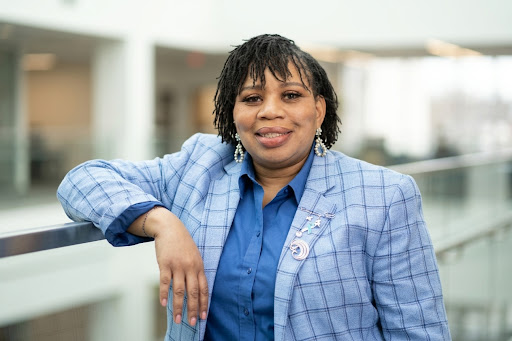
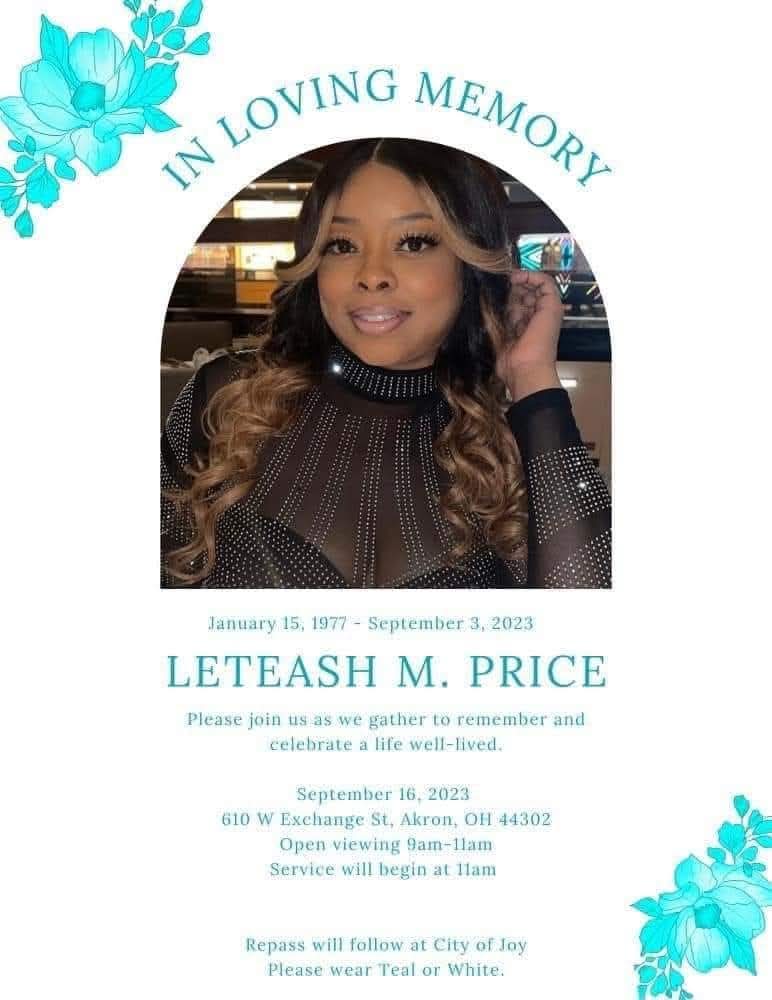
For Cervivor’s Community Outreach & Partnership Director Tiera Wade, the month has added meaning. Three Septembers ago, her friend LeTeash Price died from ovarian cancer.
“We were diagnosed around the same time,” says Tiera, cervical cancer-free for five years. “We both fought to beat this disease, but unfortunately, LeTeash lost her battle. I promised her and her family that I would carry her legacy forward, and every time I advocate, I carry her voice with me.”
That spirit is at the heart of Cervivor’s Gynecologic Cancer Awareness Month 2026 campaign:
Our Stories. Our Movement.
Every Voice. Every Journey. Every Gynecologic Cancer.
This September, Cervivor will bring together patients, survivors, people living with metastatic disease, caregivers, advocates, healthcare professionals, experts, and partner organizations from across the gynecologic cancer community.
But our goal is not simply to raise awareness for one month. It’s to ensure that people affected by every gynecologic cancer can see their experiences represented.
Different Cancers. Shared Challenges.
Gynecologic cancers share parts of the same anatomy — those “below-the-belt” parts — but no two experiences are exactly alike. Cervical, ovarian, uterine/endometrial, vaginal, and vulvar cancers differ in important ways. For example, their risk factors, symptoms, screening options, treatments, and survivorship challenges can vary.
And some of those differences have important implications for prevention, early detection, and outcomes:
- Screening options are limited — and gaps remain. Of the five major gynecologic cancers, only cervical cancer has recommended screening tests for people at average risk. Yet new research shows that nearly one-third of women ages 21 to 29 have never been screened for cervical cancer. For the others, knowing the symptoms and your personal risk — and having concerns taken seriously — can be especially important.
- Uterine cancer deaths are rising — and disparities persist. Uterine cancer is the most common gynecologic cancer in the U.S. and one of the relatively few cancers with a rising death rate. The death rate among Black women is nearly twice that of white women.
- We’re not fully using the prevention tools we have. HPV vaccination can prevent more than 90% of cancers caused by HPV, including cervical, vaginal, and vulvar cancers. Yet only 62.9% of U.S. adolescents ages 13 to 17 were up to date on HPV vaccination in 2024, with coverage largely unchanged for three consecutive years.
“Through my journey, I’ve witnessed the disparities that keep too many people from receiving the care they deserve simply because gynecologic cancers are often uncomfortable to talk about,” Tiera says.
Breaking that silence — and ensuring more voices are heard — is central to Cervivor’s work this Gynecologic Cancer Awareness Month and every month.
From Stories to a Movement
Twenty-one years ago, Cervivor was founded on the belief that lived experience has power.
“One person sharing a story can help someone else feel less alone,” says Founder and Chief Visionary Tamika Felder, a 25-year cervical cancer survivor. “It can encourage someone to ask a question, recognize a symptom, schedule an appointment, challenge stigma, find support, or discover their own voice as an advocate.”
Over the years, Tamika’s voice has been joined by thousands of others across the Cervivor community. Together, their individual stories have become something even bigger: a movement.

Tiera has seen that collective power firsthand.
“Working alongside advocates for all gynecologic cancers, I’ve seen what happens when our voices come together: We can change the narrative because every voice matters, every journey matters, and everyone deserves equitable, compassionate care.”
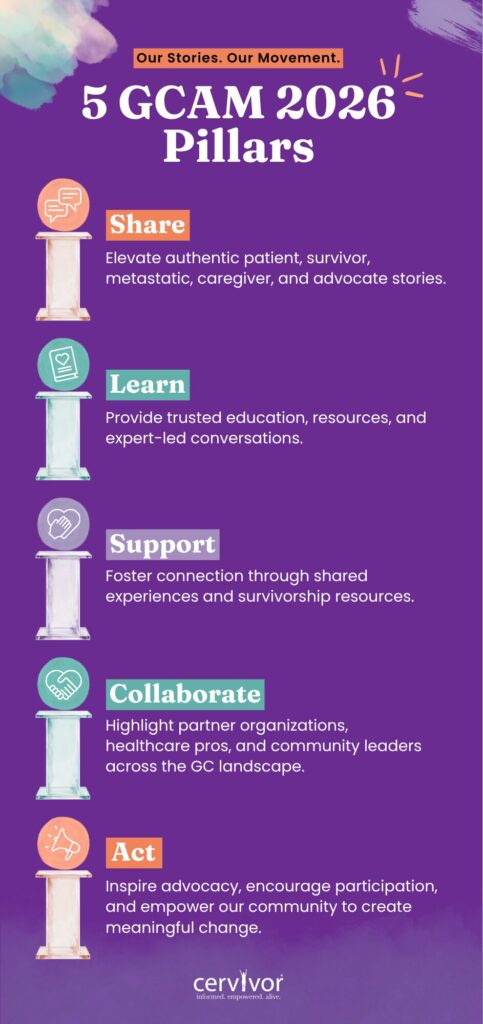
Five pillars will guide Cervivor’s work throughout GCAM 2026:
Putting the Pillars Into Action
All month long, Cervivor will offer opportunities to connect with the gynecologic cancer community, learn from trusted experts and resources, talk openly about survivorship and quality of life, and see advocacy in action.
Weekly GCAM activations will bring the campaign to life across Cervivor’s social channels:
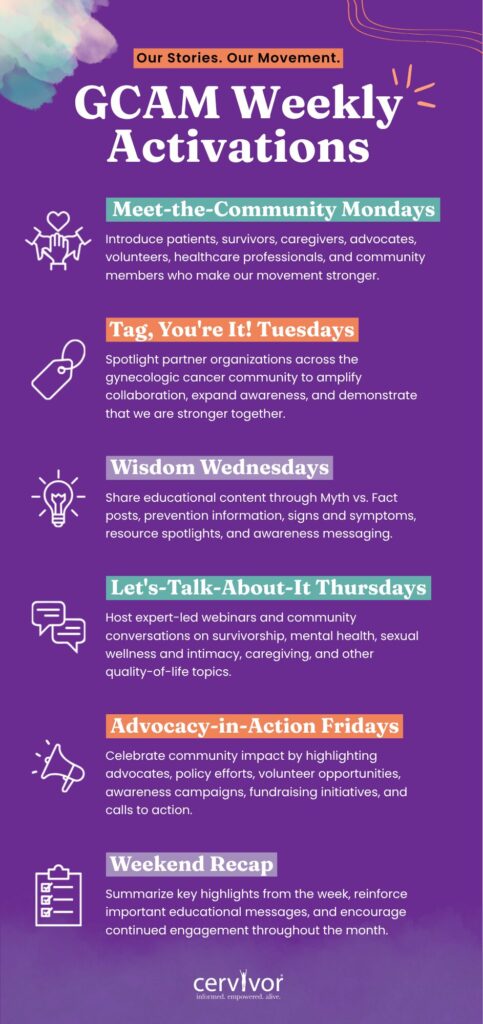
The campaign will move through four weekly themes:
Week 1: Our Stories will celebrate the diverse experiences of patients, survivors, caregivers, and people living with metastatic disease.
Week 2: Learn Together will focus on gynecologic cancer education, symptoms, survivorship, and expert-led conversations.
Week 3: Community in Motion will spotlight advocates, healthcare professionals, partners, and community leaders turning awareness into action.
Week 4: Living Beyond Cancer will explore the realities that continue after diagnosis and treatment — including mental wellness, body image, pelvic health, intimacy, and long-term support.
More Ways to Connect During GCAM
As part of the broader conversation, Erin Sullivan Wagner of After Cancer will lead a free educational webinar (Sept. 24) on sexual health and quality of life after cancer — topics that profoundly affect survivors but are still too often left out of cancer care.
Other Cervivor-supported educational and awareness events during GCAM include a webinar on cisplatin for cervical cancer treatment (Sept. 17) and the inaugural Cervical Cancer Patient Summit 2026 in La Jolla, CA (Sept. 19). The following day, the 2026 Race to End Women’s Cancer takes place in Washington, D.C. (Sept. 20).
Connection and support will continue through Cervivor’s ongoing virtual meetups, including Creating Connections (Sept. 8), Cervivor Noir (Sept. 19), and Café con Leche (Sept. 19).
Every Voice. Every Journey. Every Gynecologic Cancer.
One of the month’s biggest opportunities to put the GCAM theme “Our Stories. Our Movement.” into action is the Gynecologic Cancers Advocacy Retreat Powered by Cervivor School, September 24 to 27 in Scottsdale, AZ.
This year marks an important evolution for Cervivor School, expanding beyond cervical cancer to connect survivors from across the gynecologic cancer community for education and advocacy training.
In the lead-up to the retreat, we’ve been introducing some of the attendees whose experiences reflect the many ways people turn cancer into connection and action.
Among them is Kimberly Simmons Emory, a 20-year ovarian cancer survivor, author, advocate, and Interim Executive Director of the Georgia Ovarian Cancer Alliance. She’ll open as keynote speaker — her first Cervivor event.
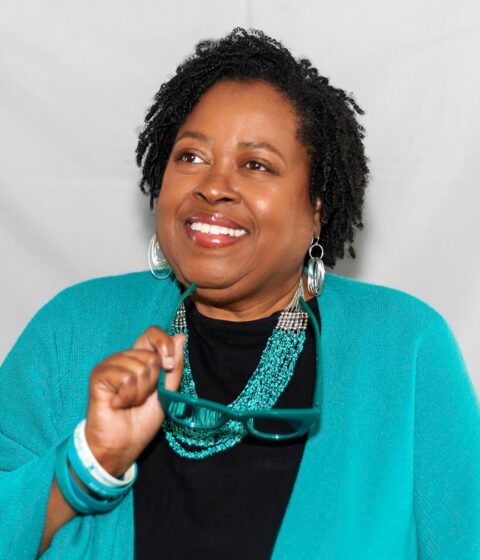
“What began as my own cancer journey eventually became part of my purpose,” Kimberly says. “I know what it feels like to hear the words ‘you have cancer,’ and I also know the power of information, community, support, and simply knowing you’re not walking through it alone.”
She hopes the retreat will bring “new ideas, different perspectives, and meaningful ways we can strengthen the gynecologic cancer community in Georgia and beyond.”
The retreat will also feature experts and advocates leading conversations on gynecologic cancer awareness, research, patient advocacy, pelvic health, storytelling, grief, wellness, and life after treatment.
For the third year, Cervivor School alum Cindy Trice and KickIt Recovery Wear are funding a full scholarship for one patient or survivor to attend, covering travel, lodging, and tuition.
Reflecting on how Cervivor School changed her understanding of advocacy, Cindy recently wrote: “Your lived experience is expertise. Your voice belongs in the room. And it may be the voice that changes what happens next.”
That idea reflects what both the retreat and this year’s Gynecologic Cancer Awareness Month campaign are about: With the tools, support, and opportunities to use their voices, people can turn individual experiences into something bigger.
Awareness is Only the Beginning
Ultimately, GCAM — and this year’s “Our Stories. Our Movement.” theme — is an invitation to educate yourself and others, connect, speak up, and take action in ways both big and small:
- Learn the signs and symptoms of gynecologic cancers.
- Share credible information.
- Listen to a survivor’s story.
- Join a webinar or community conversation.
- Support an advocate, organization, or fundraiser, including Cervivor’s Tell 21, Give 21 campaign.
- Ask questions about your own health — and encourage others to do the same.
If gynecologic cancer has affected you personally, advocacy can take whatever form feels right for you. It doesn’t have to mean standing behind a microphone or traveling to Capitol Hill. Sometimes it begins simply by telling your story — or helping someone else know that theirs matters.
Numbers help us understand the scale of gynecologic cancer. Stories help us understand its impact.
This September, we invite you to bring your story, your questions, your expertise, your support, and your voice.
Show Your Support for GCAM
Want to help spread the word? Add your photo to Cervivor’s GCAM 2026 Facebook profile frame. Then, share it with your community to raise awareness for gynecologic cancers and the people affected by them.
Create your GCAM 2026 profile photo.
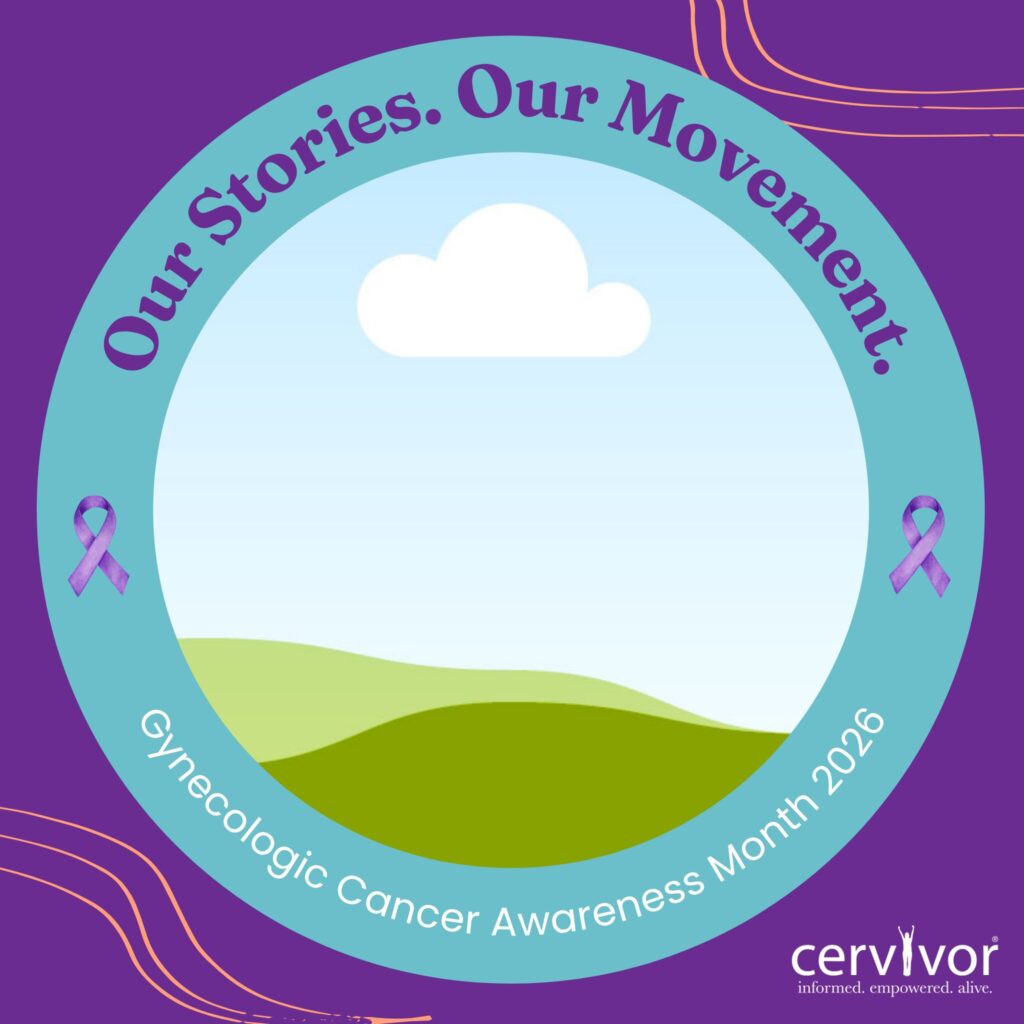
Please do not delete/move/edit any existing parts of the design. Only plug in your photo into the center frame (second slide). If you need assistance, contact [email protected]