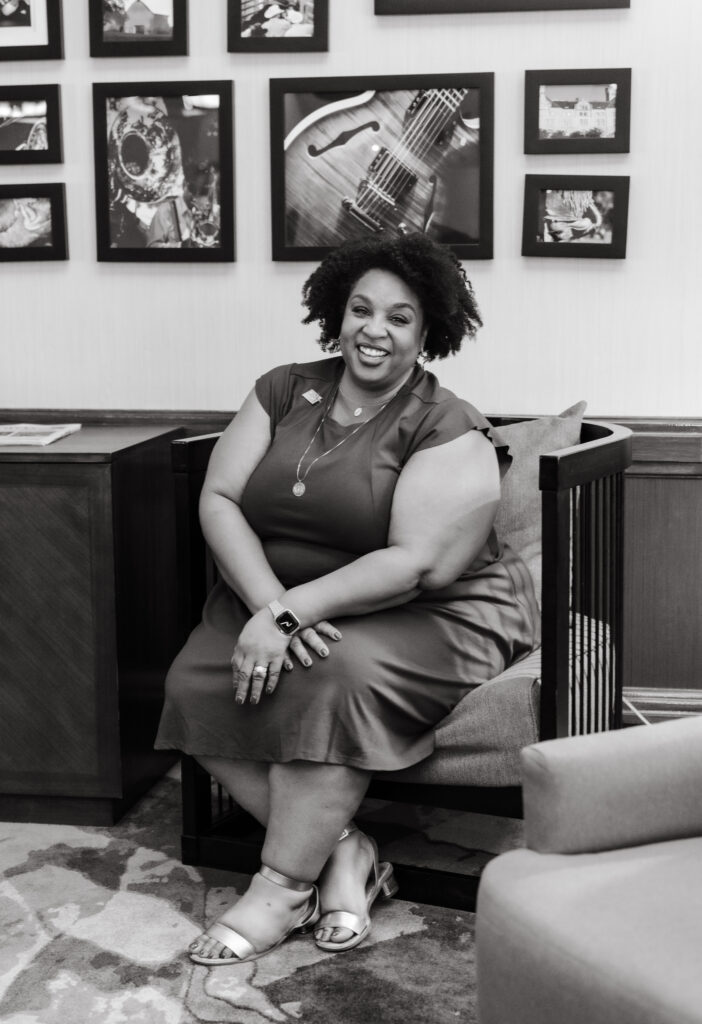
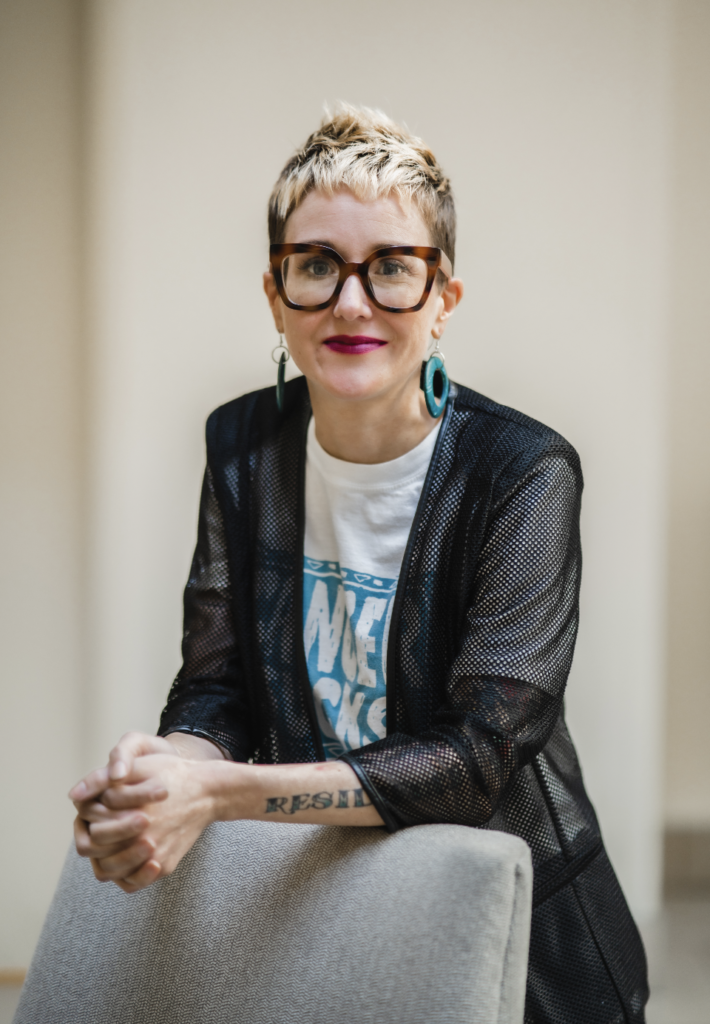
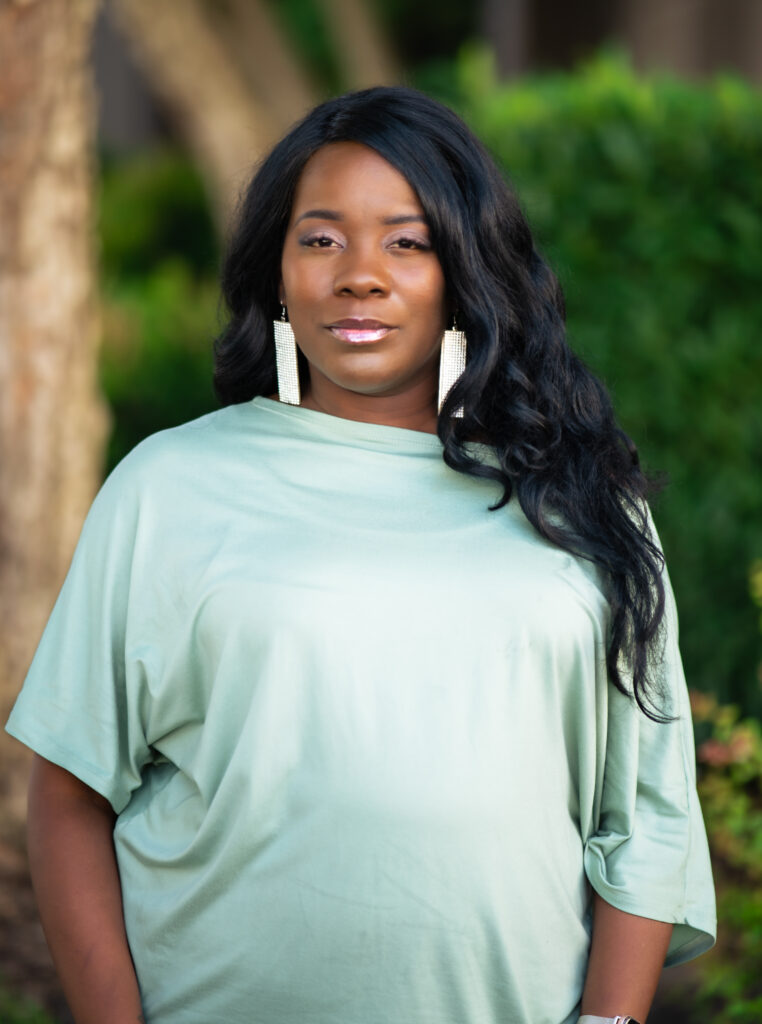
In the first of two blog posts for AANHPI Heritage Month, cervical cancer survivors and experts highlight the dangers of staying silent when a disproportionate number of lives are at risk.
Asian American and Native Hawaiian/Pacific Islander (AANHPI) communities are the fastest-growing racial group in the U.S., now totaling over 24 million people—about 8% of the population. This diverse group includes millions of Chinese, Filipino, Vietnamese, Japanese, and others, and is projected by the U.S. Census Bureau to double by 2060.
While “AANHPI” may be a useful acronym for these distinct communities, it’s not the only thing they have in common. They also share a serious health concern: Cancer is the leading cause of death among Asian Americans and the second-leading cause for Native Hawaiians and Pacific Islanders, according to the American Cancer Society (ACS).
Cervical cancer, in particular, demands urgent attention. At first glance, non-Hispanic Asian American and Pacific Islander women appear to have lower cervical cancer rates than other racial and ethnic groups: 6 cases per 100,000, compared to 10 for Hispanic women, 8.4 for non-Hispanic Black women, and 6.9 for non-Hispanic white women, according to the National Cancer Institute’s Surveillance, Epidemiology, and End Results (SEER) Program.
But a closer look at the numbers reveals stark disparities. Vietnamese women, for example, have a cervical cancer incidence rate of 18.9 per 100,000, while Laotian women face an even higher rate of 20.7 per 100,000—more than triple the overall AANHPI average.

Mortality disparities are just as alarming. Native Hawaiian and Pacific Islander women experience death rates up to 3.3 times higher from cervical, stomach, and uterine cancers than white women—even though their overall cancer mortality is 7% lower.
These disproportionately high rates are often fueled by a mix of cultural beliefs and stigma about “below the belt” cancers, language barriers, lower general awareness of the human papillomavirus (HPV) and cervical cancer risks, and other factors. As a result, HPV vaccination and screening rates are lower—key tools in Cervivor, Inc.’s mission to eliminate cervical cancer
“Despite their growing number, Asian Americans have long been overlooked in health disparities research,” says Dr. Ha Ngan “Milkie” Vu, Assistant Professor at Northwestern University’s Feinberg School of Medicine. A Vietnamese immigrant, Dr. Vu leads Project HERO, which tests culturally tailored digital tools to increase HPV vaccination among Vietnamese Americans. She elaborates: “The ‘model minority’ stereotype (i.e., overemphasis on Asians’ ability to overcome hardship and succeed in America) masks real gaps in health equity, especially when it comes to issues like cervical cancer.”
To understand the personal toll of cervical cancer on the AANHPI community—and what is needed to break the “culture of silence” many experience—let’s start with the story of Filipina-American survivor Arlene Simpson.
Arlene’s Story

Arlene, a financial services professional and church leader in Bothell, Washington, grew up in a family of healthcare professionals—yet no one ever talked to her about HPV. “I didn’t even get my first Pap test until after I gave birth at 22,” she recalls.
Her crash course in cervical cancer began in August 2021. “During the pandemic, I missed all my annual exams and waited to see my doctors again,” she explains. At her eventual Pap and HPV test, her gynecologist discovered hemorrhaging and immediately performed a biopsy and ultrasound. Although she had a history of abnormal Pap results, her symptoms—chronic endometriosis, dysmenorrhea, heavy bleeding, and pelvic pain—had always been dismissed as “normal.” A week later, the doctor called with the diagnosis. Arlene was stunned. “I never thought I’d get cancer,” she says.
She underwent chemotherapy, radiation, and brachytherapy at Seattle Cancer Care Alliance (now Fred Hutch) and the University of Washington Medical Center. Now, three years in remission, she continues follow-up visits every six months.
For Arlene, surviving cancer wasn’t just a physical battle—it was emotional, too.
“In our Filipino community, especially among the older generation, anything ‘below the belt’ isn’t discussed—especially sex or reproductive health,” she says. And when it is discussed, there’s often a lack of understanding about the causes of disease. After her diagnosis, she recalls one of her aunts saying, “How did you get that cancer? You were so wild and rebellious growing up.” The comment only deepened the shame Arlene was already feeling.
Overcoming Stigma in AANHPI Populations
Arlene’s experience resonates with others in the Cervivor community, including Joslyn Chaiprasert-Paguio, who is of Chinese and Thai descent, and Anna Ogo, who is Japanese.
Joslyn, a medical journal publisher and mom from Menifee, CA, says, “The pressure to stay silent about reproductive health made it even harder to find my voice. Cervical cancer became even more taboo because it’s ‘below the belt.’”
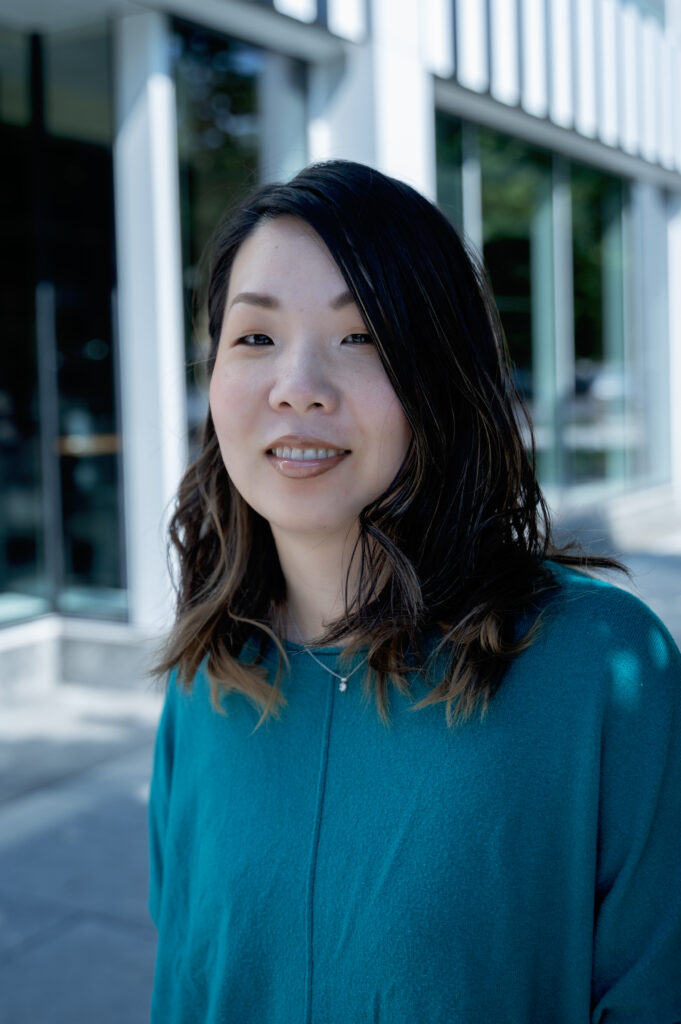

Anna, who lives in Kent, WA, with her husband and their “Cervivor Baby,” 18-month-old Eito, adds, “Sharing my story became a source of healing. As an Asian woman, breaking the silence around reproductive health helped me process grief, connect with others, and inspire hope.”
Dr. Zhengchun Lu, a cancer pathologist and resident physician at Oregon Health & Science University, says stigma and misinformation about HPV remain common in many AANHPI communities. She recalls one Asian American patient’s reaction to an HPV diagnosis: “It must be my husband.” For Dr. Lu, this reinforced how shame and blame still surround HPV—a challenge she actively addresses in patient care and community outreach, where she emphasizes that HPV is extremely common and not a reflection of a person’s behavior or character.
“By fostering open, judgment-free conversations, we can help people feel safe, informed, and empowered to take charge of their health,” she says. As part of her work, Dr. Lu introduces cervical cancer screening in relatable terms—comparing Pap and HPV tests to routine checks like blood pressure or cholesterol screenings.
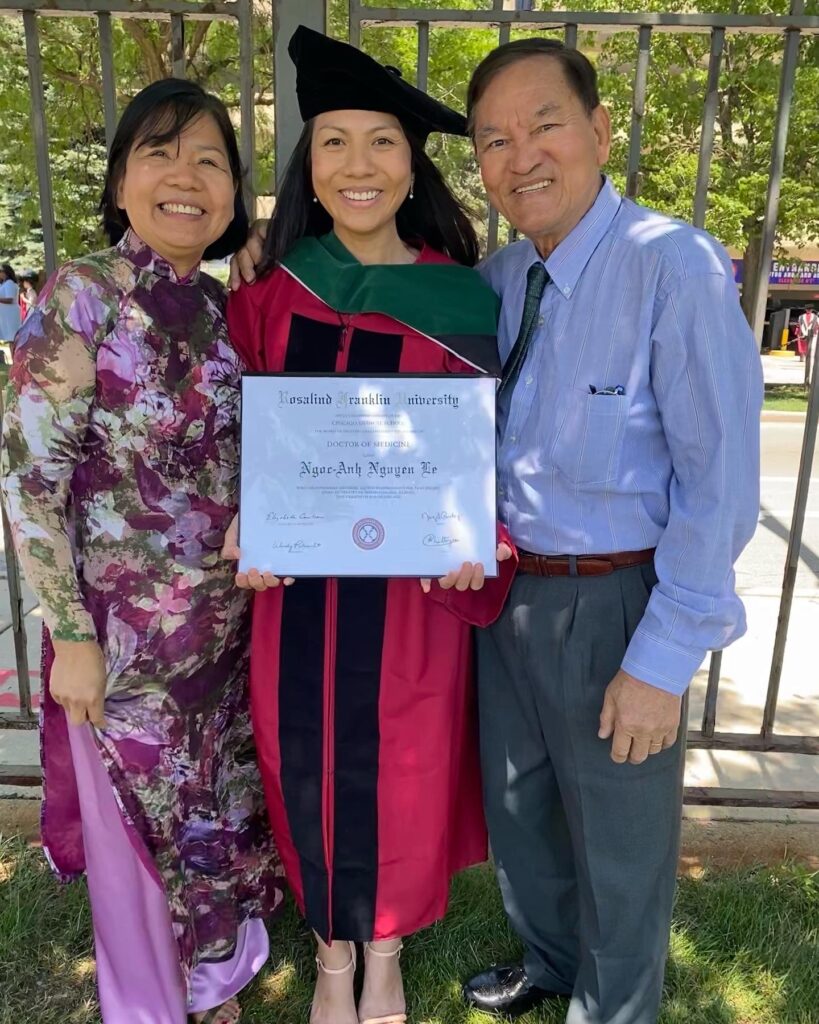
While stigma is widespread, it is not universal across AANHPI communities. Anh Le, born in Vietnam and now living in Phoenix, Arizona, shares a different experience. Diagnosed at age 30 in 2018 while attending medical school in Chicago, she didn’t face judgment from her family—but she did hesitate to tell them.
“When it came to fertility goals, the hopeful anticipation of having grandchildren was a topic that my mother often talked about,” shares Anh, who is an only child. “I was afraid of disappointing them.”
To her relief, Anh received nothing but “immense love and support.” And she credits her parents’ self-sacrifice during her two-month recovery from a total pelvic exenteration—a major surgery removing all pelvic organs, as described in a recent Memorial Sloan Kettering Cancer Center article—and especially her mother’s cooking, which “single-handedly nourished me back to health.”
How Cervivor is Empowering AANHPI Survivors
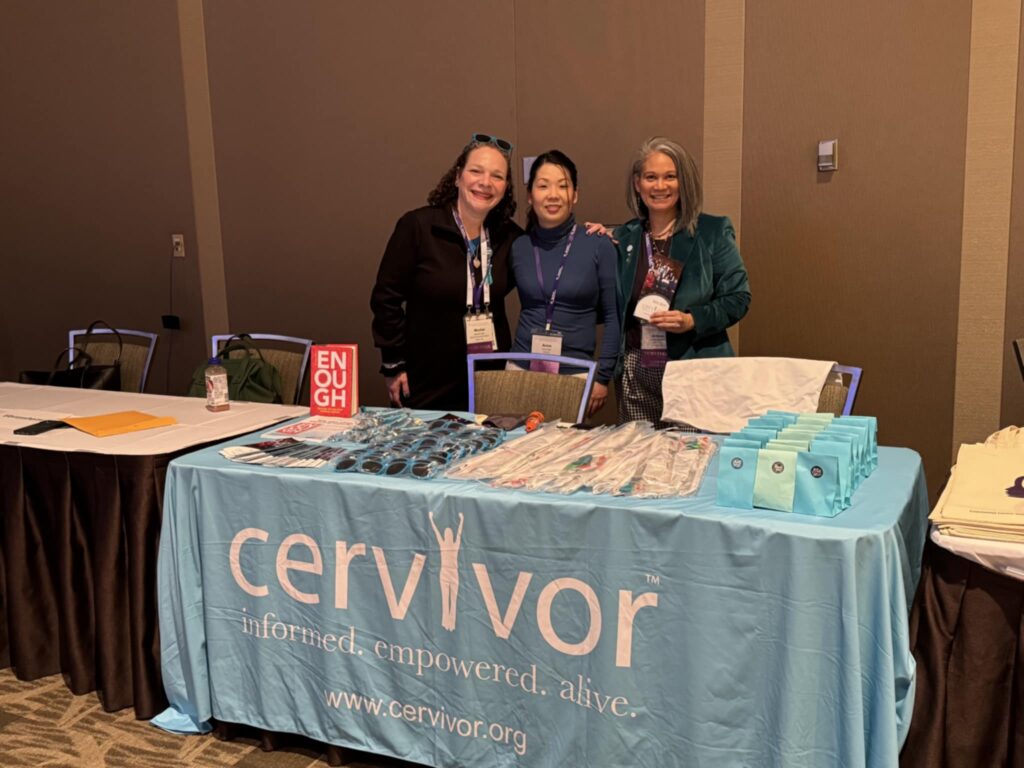
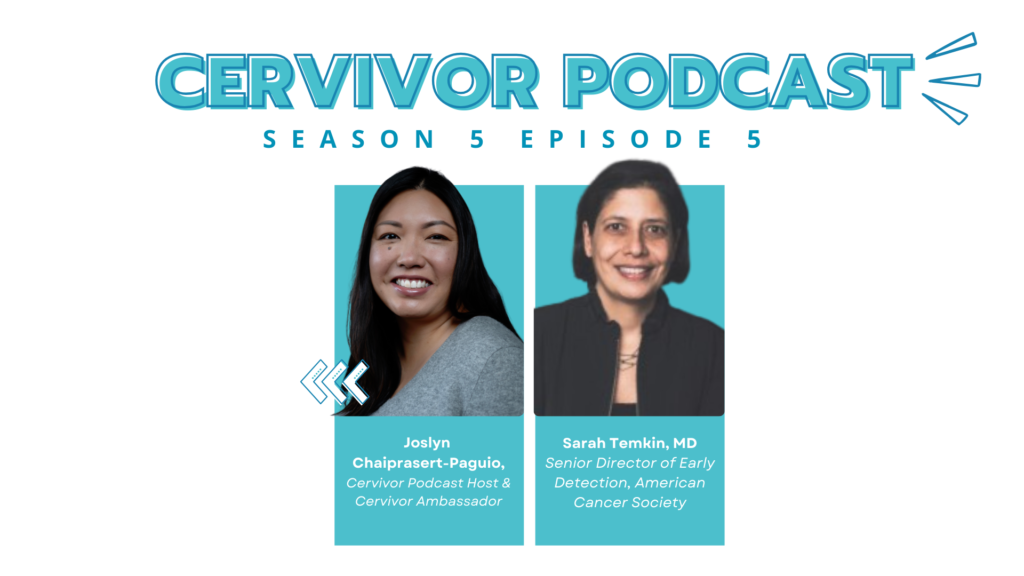
Today, survivors like Arlene, Joslyn, and Anna are powerful Cervivor Ambassadors for change. Arlene and Anna recently represented Cervivor at the 2025 Society of Gynecologic Oncology (SGO) meeting, where Arlene was a panelist. Joslyn serves on the ACS National Roundtable on Cervical Cancer and hosts the Cervivor Podcast.
Soon-to-be surgeon Anh reflects: “Being part of Cervivor helped me understand what it means to be both a patient and a future doctor. As a young AAPI adult with cervical cancer, it was lonely.” Her advice: “Don’t blame yourself. Be proactive. Make sure your care team aligns with your goals. And remember—there’s a community here to support you.”
Arlene credits Cervivor founder and Chief Visionary Tamika Felder for helping her find her voice. “When Tamika encouraged me to share my story, I saw its impact. Someone in Bulgaria heard it and got help. My Filipino cousins—some of them doctors—are now talking about the HPV vaccine. Cervivor gave me a platform and a purpose.”
Join the Cervivor Movement
Stories like Arlene’s, Anh’s, Joslyn’s, and Anna’s remind us that silence can be deadly—but sharing our voices can be lifesaving. If you’re ready to break the stigma, build community, and be part of the movement to end cervical cancer, sign up for updates about our next Cervivor School or join our next virtual Creating Connections meetup this upcoming June 10. Your story matters, and together, we can save lives—one conversation at a time.