Cervivor University Founder: “What I Didn’t Know About Cervical Cancer — and Why That Had to Change”

By Johari Tello

Johari Tello is a double master’s student at Purdue University studying the history of medicine and public health. Alongside her graduate studies, she works in a hospital setting, where her experiences with patients and healthcare systems continue to shape her academic and advocacy work. A former Cervivor intern, she is the founder of Cervivor University Purdue — a student-led initiative dedicated to expanding cervical cancer education and awareness across campus. 

In honor of National Women’s Health Week (May 10 to 16, 2026), we asked her to share how she found purpose in personal family loss and tackling the gaps in women’s health education. 

Johari Tello, founder of Cervivor University Purdue

I first learned about Cervivor Inc. and Tamika Felder in the fall of 2024, during my junior year at Purdue University. I was enrolled in a History of Women in America course taught by Wendy Kline, Ph.D., a professor whose classes I had been taking since my freshman year. Dr. Kline is one of those educators who doesn’t just teach material; she creates an environment where curiosity feels natural and where personal experiences are just as valuable as the readings themselves.

During that semester, we spent time on the history of cervical cancer, including the development of the Pap test, the work of Georgios Papanikolaou, and ethical discussions surrounding Henrietta Lacks. One day, Dr. Kline showed us a documentary about five women and their experiences with cervical cancer. After the film, she focused on one story in particular, Tamika Felder’s.

Then we opened the floor for discussion.

The documentary that Dr. Kline showed Johari’s class features Cervivor’s founder Tamika Felder (top right).

That’s when something hit me that I haven’t been able to shake since. In a room of about 60 women — college-educated, engaged, and thoughtful — only about three people could clearly explain what cervical cancer was. Maybe 10 had undergone a Pap test or screening, but most didn’t actually know what it was for. I was one of them.

It became painfully obvious: There was a serious gap in the education we were receiving.

A Family Story Rewritten

That moment didn’t just stay in the classroom — it followed me home. Growing up, the death of my paternal grandmother was something that quietly lingered in the background of my life. She passed away before I was born, so everything I knew came from my father’s memories. He always told me she had died from ovarian cancer, and because I had heard that it could be hereditary, it left me with a sense of uncertainty about my own future.

After that class, I went home and started talking with my family about what I had learned. That’s when my father paused and said something that shifted everything: His mother had actually passed away from cervical cancer, not ovarian cancer.

What followed was one of the most meaningful conversations my family has had. My father grew up in a small, semi-rural town in Jalisco, Mexico, where access to healthcare was limited. The nearest public hospital was about an hour away, and barriers like cost, transportation, and trust meant that many women didn’t seek formal medical care.


With the help of my sister, who is a nurse, and the information I had just learned in class, we were able to talk openly about what cervical cancer is, how it develops, and how preventable it can be with proper screening and vaccination.

That conversation replaced uncertainty and stigma with understanding. It gave us clarity — and, in a way, peace. Instead of something we avoided talking about, my grandmother’s story became something we could learn from.

For me, it reinforced just how powerful — and necessary — education is.

Why Cervical Cancer Education Matters for Young Adults

The gap I saw in my classroom wasn’t just academic; it had real consequences. College is often the first time people are fully managing their own healthcare. It’s when they begin to understand their bodies more independently, ask questions, and make decisions about their health.

It’s also when key preventive measures begin, like the Pap test at age 21 and the HPV vaccine recommended beginning at ages 11 to 12 (and available from age 9 through 45). But if students don’t understand what these measures are for — or why they matter — they’re less likely to prioritize them. Also, removing stigma early can shape health outcomes for a lifetime.

Closing this gap matters now more than ever. It’s not just about more information — it’s about more accessible, relevant education that meets people where they are. Bringing cervical cancer education to college campuses creates space for students to learn, ask questions, and engage in conversations that are too often missing from traditional education. 

Building Cervivor University at Purdue

After that initial class, I couldn’t stop thinking about what I had seen and learned. The following semester, I took another course, History of Patient Voices, taught by Dr. Michelle Labonte. For a major project, I chose to focus on Cervivor and the history of cervical cancer, particularly the stigma surrounding it and how that stigma has shaped both public perception and medical treatment.

For months, I immersed myself in research. The more I learned, the more inspired I became by the work Tamika and Cervivor were doing. Eventually, I decided to take a leap of faith. I reached out to Dr. Kline and asked if she could connect me with Tamika. She gladly did.

Dr. Kline was a guest on the Cervivor Podcast in February 2025 after the publication of her book, Exposed: The Hidden History of the Pelvic Exam.

When I contacted Tamika, I shared how I had learned about her story, my personal connection through my grandmother, and my concerns about the lack of education I had witnessed. Then I pitched an idea: starting a collegiate chapter of Cervivor at Purdue.

She loved it.

Last summer, I had the opportunity to intern with Cervivor, working closely with Tamika on developing what would become Cervivor University Purdue. That experience was incredibly formative. I was able to learn directly from patients, advocates, medical professionals, and public health experts. Hearing their stories and understanding the broader impact of this work made everything feel even more urgent — and more possible.
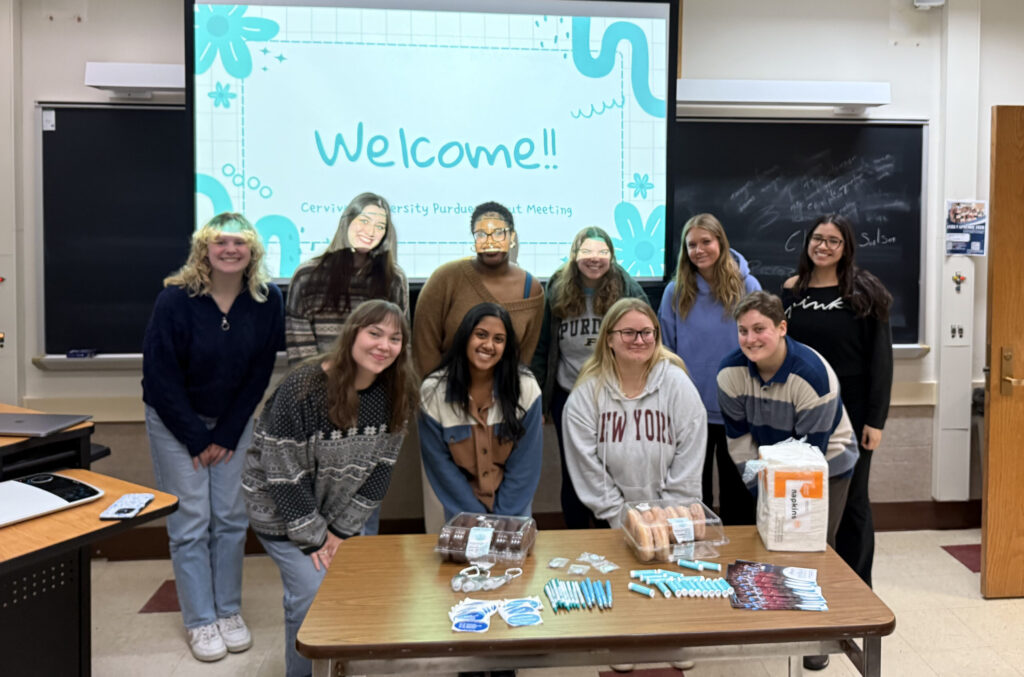
Creating Community and Impact on Campus

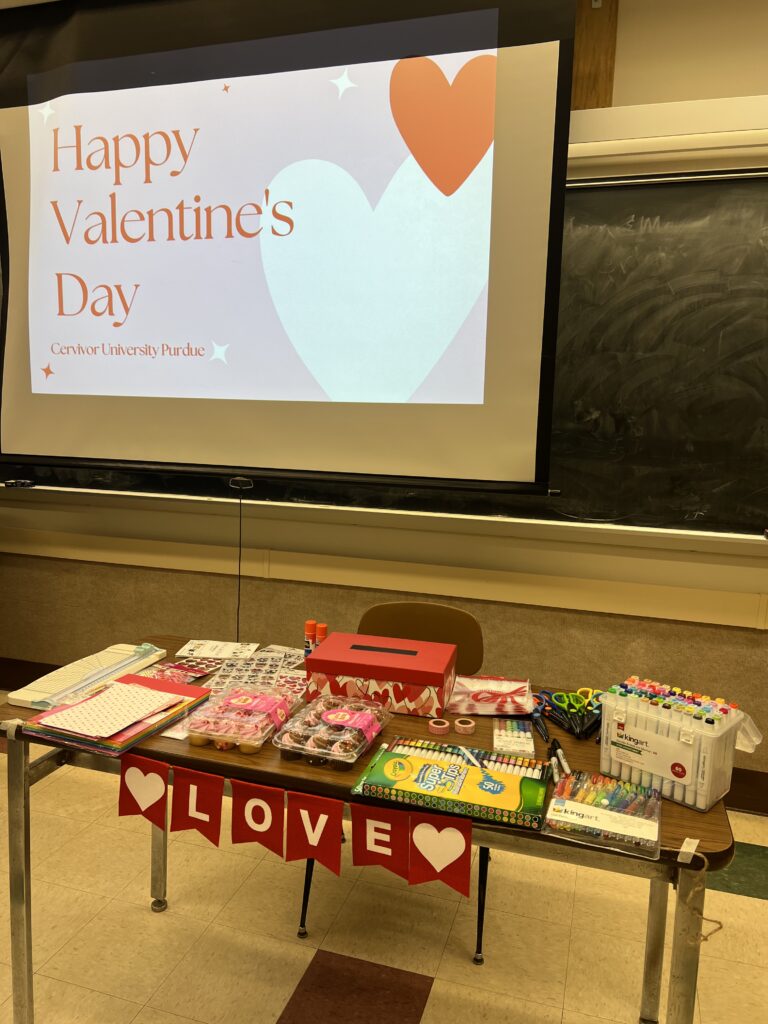
Our first semester has already been incredibly meaningful. We’ve built a strong and supportive community of students, many of whom are future healthcare professionals. We’ve hosted events that bring both awareness and compassion into the conversation, like making Valentine’s Day cards for cancer patients at local hospitals and clinics in the Lafayette area.

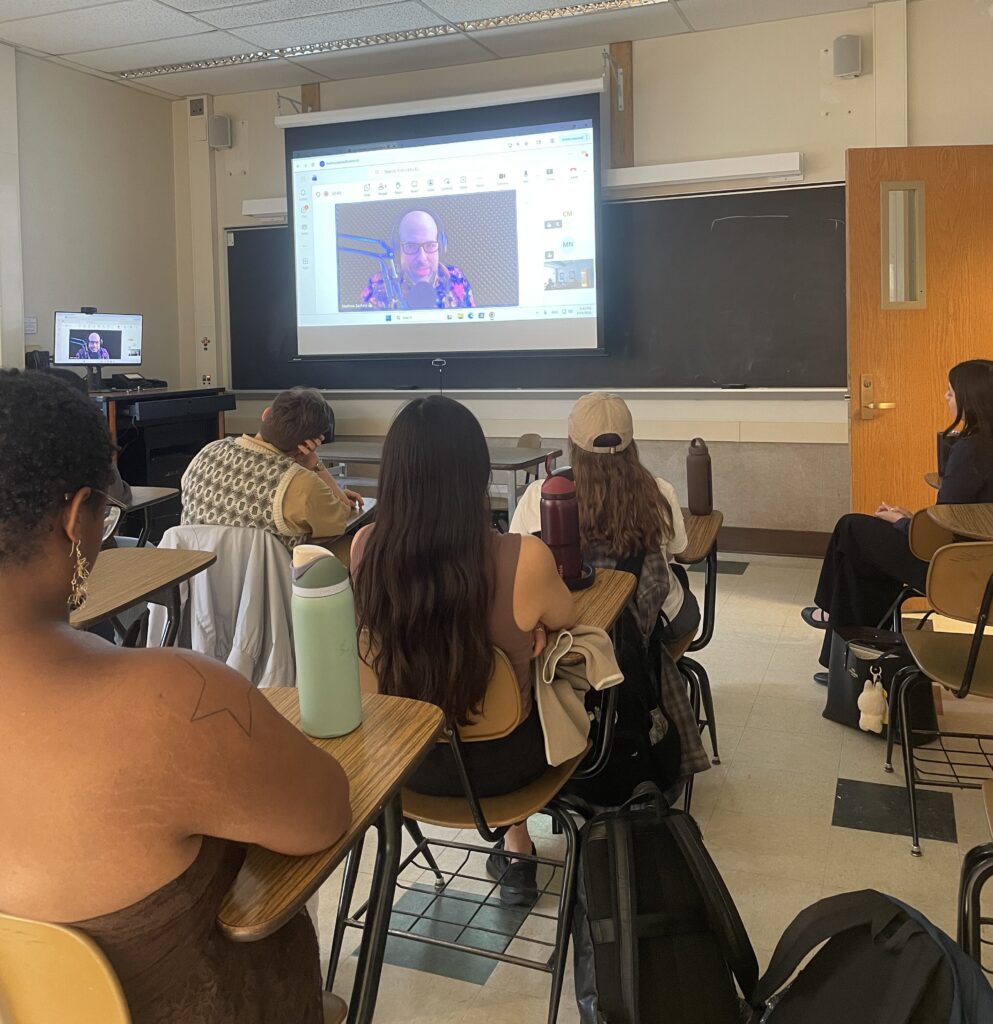
We’ve also welcomed inspiring guest speakers like Cervivor Ambassador Tiera Wade and AYA cancer survivor and Stupid Cancer founder Matthew Zachary, who shared their stories and offered insight into what effective advocacy looks like. These moments have helped our members see how education can translate into real impact.

Beyond our events, we’ve started building an online community to expand our reach and continue these conversations outside of meetings.
Looking Ahead: Expanding the Movement

Looking ahead, our short-term goal is to expand our outreach both on campus and in the greater Lafayette, Indiana, community, with a stronger focus on education and accessibility.

Long-term, I hope Cervivor University Purdue can serve as a model for other universities, encouraging students across the country to start their own chapters and join this movement.

I’ll also be staying at Purdue to pursue my master’s degrees in the history of medicine and public health, which will allow me to continue growing this organization and deepening its impact.

What started as a single classroom moment has turned into something much bigger. It showed me how powerful education can be — but also how dangerous it is when that education is missing.

Cervical cancer is preventable. The tools are there.

Now it’s about making sure people actually have the knowledge to use them.

If you’re interested in starting a Cervivor University chapter at your school, we’d love to hear from you — reach out at [email protected].

Watch the moment that Johari announced Cervivor University Purdue at the 2026 Cervical Cancer Summit Powered by Cervivor, Inc. 
Black Communities and Cervical Cancer: Breaking the Silence for a Healthier Future

Cervical cancer affects thousands of women in the United States each year, hitting Black communities particularly hard. Of the estimated 13,360 new cases in 2025, the American Cancer Society projects 2,180 will be in Black women, with 610 deaths – a higher incidence rate than their share of the general population. Black women are 19% more likely to develop cervical cancer and nearly 65% more likely to die from it than white women. Systemic health disparities, medical mistrust, and cultural barriers both create and widen this gap. 

While other groups – such as Indigenous women, Latinas, and LGBTQ+ individuals – face similar challenges, Black women experience them at disproportionately higher rates. Kimberly Williams knows this firsthand. 

Kimberly’s Story

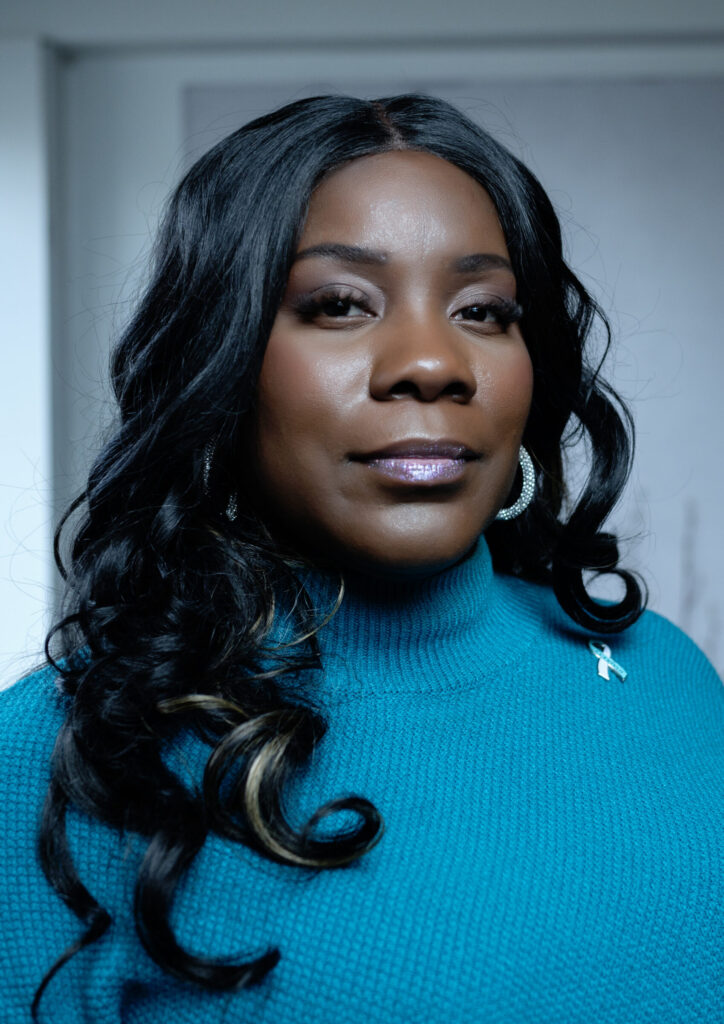
A headshot of Kimberly Williams, who has long black hair and is wearing a teal turtleneck sweater. She looks directly at the camera with a slight smile.
Kimberly Williams

“I had never heard of cervical cancer before. I thought I was the only person in the world with it,” recalls the Houston mother of two, who was diagnosed with cervical cancer in February 2018 after visiting a doctor for irregular menstrual cycles in late 2017. She felt blindsided, like many who receive a late-stage diagnosis – a trend that is on the rise, with Black women having the highest number of these cases.

Kimberly was taught to keep family matters private, especially health issues. “Growing up, my mother would say, ‘What goes on in the house stays in the house.'” But staying silent only made her feel more isolated.

After a radical hysterectomy in March, her surgeon informed her that all of the cancer wasn’t gone and she would need radiation and chemotherapy. When her insurance repeatedly denied PET scan authorization – an imaging test crucial for assessing her condition – she became discouraged.  “After a couple of months, I thought, ‘Forget it. I’m fine. I’m healed,’” she shares in this new CervivorTV video.


But she wasn’t fine. A recurrence in 2019 forced Kimberly to undergo treatment. Her oncologist’s dismissive approach almost made her walk away again.

“She just said, ‘You’re starting chemo tomorrow,’ without explaining anything. I had to say, ‘Talk to me like I’ve never had cancer before,’” says Kimberly, who holds a master’s degree and has been a social services worker for over 20 years. “Some people would stop their treatment right there. Not being respected enough to have things explained properly is a major barrier to care.” 

Fortunately, Kimberly’s story has a happy ending. Now cancer-free, she is committed to speaking out to help others avoid the struggles she faced.

“As a Black woman, I realized that other Black people listen to other Black people. That’s just how it is,” says Kimberly, who now serves as the Chief Diversity, Equity, and Inclusion (D.E.I.) Officer at Cervivor, Inc. and was recently named to the Steering Committee of the American Cancer Society National Roundtable on Cervical Cancer. “I had to make the hard decision to share my story.” 

‘Holes’ in the Healthcare System

Kimberly’s experience underscores the need for shared stories to drive change in cervical cancer outcomes. Yet, significant healthcare disparities and barriers to care persist. 

Despite recent reports that some public health officials are being discouraged from using terms like “health equity” and “disparities,” Cervivor Founder and Chief Visionary Tamika Felder warns against brushing aside the research fueling life-saving progress. “Health equity is more important than ever. Ignoring the reasons behind disparities only makes the gaps wider,” says Tamika, a member of the National Cancer Advisory Board (NCAB) and co-chair of the National HPV Vaccination Roundtable. “We know where the inequities exist and why. Trying to erase or undermine the incredible work being done to close these gaps is deeply troubling. If we continue down this path, it will be even harder to repair.”


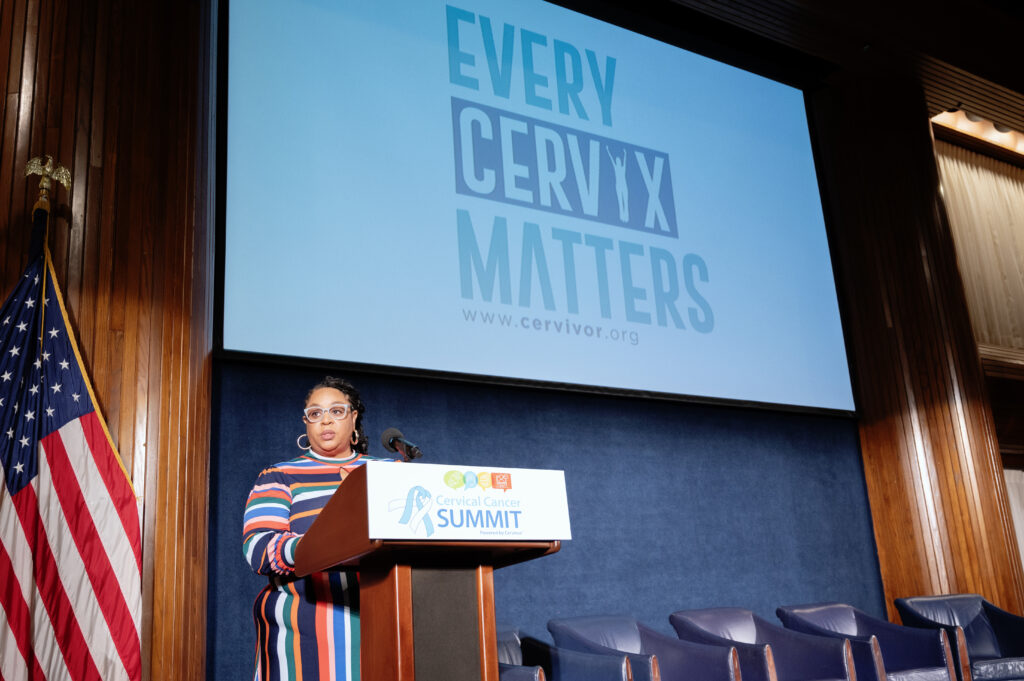
Dr. Lynn Richards McDonald, Clinical Program Director for cervical cancer screening at Johns Hopkins Hospital, is a leading expert on health equity. She has dedicated her career to advancing it through advocacy, collaboration, and community outreach. Dr. McDonald identifies critical “holes” in the healthcare system that contribute to higher cervical cancer mortality rates in the Black community: “These ‘holes’ – cost, lack of knowledge, embarrassment, clinical bias, cultural differences, and fear – prevent timely screenings and treatment,” explains Dr. McDonald, who spoke about strategies for inclusive cervical cancer care at last month’s Cervical Cancer Summit Powered by Cervivor, Inc.
Key Disparities in Diagnosis and Treatment

One striking paradox: Although Black women have higher rates of initial Pap testing (64% in the past two years compared to 59% of white women, 60% of Hispanic women, and 57% of Asian women), they still face disproportionately high cervical cancer rates. This disparity is largely due to lower follow-up rates after abnormal Pap results and later-stage diagnoses. A 2020 systematic review of 34 studies involving over 1.2 million patients found that even a three-week delay in cancer treatment, including cervical cancer, significantly impacts survival rates.

Dr. Andrea Stubbs, Administrative Director for the St. Jude HPV Cancer Prevention Program, emphasizes how poor communication by medical professionals can affect follow-up after an abnormal Pap or positive HPV test: “Patients of color often receive vague explanations, like ‘dirty cells’ or ‘a little virus,’ which downplay the urgency of follow-up. For many, missing work for appointments means losing money, adding another layer of difficulty.” 

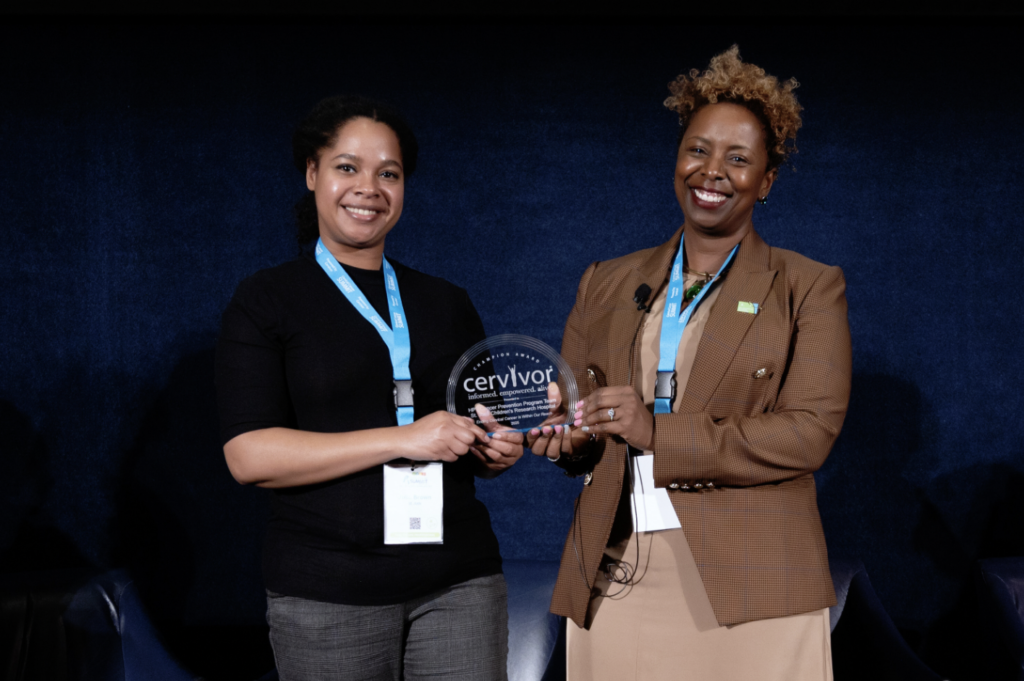
Julia Brown, MPH, and Andrea Stubbs, MPA, of St. Jude accept the Cervivor Champion Award for their dedication and contributions to ending cervical cancer.
St. Jude Children’s Research Hospital recently received the Cervivor Champion Award for its dedication to ending cervical cancer. Dr. Andrea Stubbs (on the right) and Julia Brown accept the award on behalf of the organization at the 2025 Summit.

Where people live and insurance coverage affect outcomes, too. In 2022, Human Rights Watch reported that rural Black women face a cervical cancer rate nearly 50% higher than rural white women and are more likely to be diagnosed at later stages with lower survival rates. A 2023 study also confirmed that Black women have 18% higher odds of receiving a advanced-stage diagnosis compared to white women, largely due to health insurance access. 

When it comes to enrollment in cutting-edge clinical trials, the gap is even wider – less than 5% of participants are Black, limiting how applicable the results are to diverse populations. Barriers such as travel distance to research centers and a lack of transparency in trial processes add to this underrepresentation.

“Many Black women hesitate to participate in clinical trials due to distrust of the medical community,” explains Tiffany Drummond, a clinical research expert who spoke on the topic at the recent Summit. “Patients are smart, but they don’t know what they don’t know until the research and data are shared with them. Why can’t that information be shared?”


Cervivor Ambassador Gwendolyn “Gwen” Jackson, who was diagnosed with Stage 4 cervical cancer in 2020, credits clinical trials for extending her life. “I’m still alive because of clinical trials,” says the Texas grandmother of three. However, she initially had concerns about participating: “In the African-American community, there’s a deep-rooted distrust of clinical trials,” she shared with The Patient Story last December. “It goes back to when they were using African Americans for experiments and really being the ‘guinea pigs.’”

Medical Mistrust: A Barrier Rooted in History

Gwen’s insight on the roots of medical mistrust in the Black community is spot-on. As Dr. Wendy Kline shares in the latest Cervivor Podcast about her new book Exposed: The Hidden History of the Pelvic Exam, the gynecological abuse of Black women in America dates back over 200 years. It began with James Marion Sims, often called the “father of modern gynecology,” and has persisted through generations.

“The origins of gynecology date back to the 19th century with the invention of the speculum,” Dr. Kline, a Historian of Medicine at Purdue University, explains, referring to the familiar tool used for pelvic exams. “Sims built gynecology on the bodies of enslaved women, three of whom underwent multiple procedures without anesthesia. These non-consensual experiments perfected techniques that defined the field, raising ongoing questions about consent and ethical treatment.” She adds, “Although not every gynecologist is abusive, the history is inherently problematic.” (Read more about the three enslaved women – Anarcha, Betsy, and Lucy – and what they endured in the name of “science” in this powerful retelling by Women & the American Story.)


Another example is Henrietta Lacks, a now-celebrated Black woman who sought treatment at Johns Hopkins in 1951 for abnormal vaginal bleeding. A tobacco farmer and mother of five, she was admitted to the “colored ward,” as a recent St. Jude Research article recounts. After eight months of radiation treatment, Henrietta died at 31, but her cancer cells were taken without consent, leading to the development of HeLa cells that advanced cervical cancer research. (To learn more about Henrietta’s impact on medical ethics, check out last month’s Cervivor Podcast with her great-granddaughter, Veronica Robinson, and Johns Hopkins’ Dr. McDonald.)

The article summarizes, “The medical mistrust generated by historical mistreatments has been passed down over time. Avoiding regular gynecological care makes Black women more likely to be diagnosed with advanced cervical cancer, decreasing survival.”

Breaking the Cycle: How Awareness Can Save Lives

St. Jude highlights another critical factor contributing to higher cervical cancer mortality rates among Black women: lack of awareness about the human papillomavirus (HPV) and the HPV vaccine, in particular. Data from the Office of Minority Health (OMH) indicates that in 2022, non-Hispanic Black females aged 19 to 26 were 20% less likely to have ever received an HPV vaccine than non-Hispanic white females in the same age group.

The Centers for Disease Control and Prevention (CDC) reports that vaccine uptake among all children is still quite low, with only 38.6% of children aged 9 to 17 receiving at least one dose in 2022. While there is no significant statistical difference between Black and white children, health insurance status is a key factor. A February 2024 CDC report found that children with private health insurance (41.5%) were most likely to have received one or more HPV vaccine doses, compared with children with Medicaid coverage (37.0%), other government coverage (30.2%), and those without insurance (20.7%). Despite initial gains in coverage from the Affordable Care Act (ACA), Black people remain 1.5 times more likely to be uninsured than white people, according to a February 2025 report looking at health coverage by race and ethnicity between 2010 and 2023.


But awareness and access aren’t the only barriers. As with avoiding gynecological check-ups or low participation in clinical trials, medical mistrust contributes to some Black parents’ hesitancy or refusal to vaccinate their children against HPV. A 2023 Journal of Pediatric Health Care study led by Ariel Washington, Ph.D., MSSW, of the Barbara Ann Karmanos Cancer Institute found that concerns ranged from vaccine safety to the recommended age, noting that, “Some believed their children were being offered the vaccine at a younger age than most because the health care provider believed the child would become sexually active earlier.” 

In an article about the study on the cancer institute’s website, Dr. Washington shared, “One recurring theme was that parents often felt unheard and unable to ask questions about HPV vaccination.” The study reinforces St. Jude’s recommendation that clear, direct communication from healthcare providers is key to increasing vaccination rates in Black communities.

For Black cervical cancer survivors like Kimberly, who remembers not knowing anything about HPV or cervical cancer when she was diagnosed, spreading awareness in the Black community is imperative. “I realized I had to make sure others knew about the resources out there to prevent cervical cancer: screening and vaccination. By keeping quiet, we risk lives.”

If you feel unheard by your medical providers, Gwen offers this advice: “When you go to the doctor’s office, they are working for you. You are not working for them. So, it’s okay to use your voice. If something feels wrong, speak up. If there’s a treatment you don’t want, say that.”

Find Your Community and Take Action

Most importantly, you don’t have to go through this alone. For many, finding community is life-changing. Kimberly describes discovering Cervivor as a turning point in her recovery. Gwen was surprised by the sense of solidarity she found: “I thought it was just Black women who went through this. But now, being in the teal-and-white community, the Cervivor community, we chat with each other. It’s all of us, as women.”

Cancer survivor Bikira Radcliffe, who founded United Colors of Cancer in 2020 to ensure optimal cancer care for Black, Indigenous, and People of Color (BIPOC), also highlights the growing role of faith-based organizations in supporting mental health and cancer care in communities of color. “In Black and Brown communities, mental health is only now becoming a common discussion,” she shared during a panel at the Summit. “Many people turn to churches and similar institutions for support, and we’re seeing these organizations begin integrating cancer care and mental health resources into their missions.”

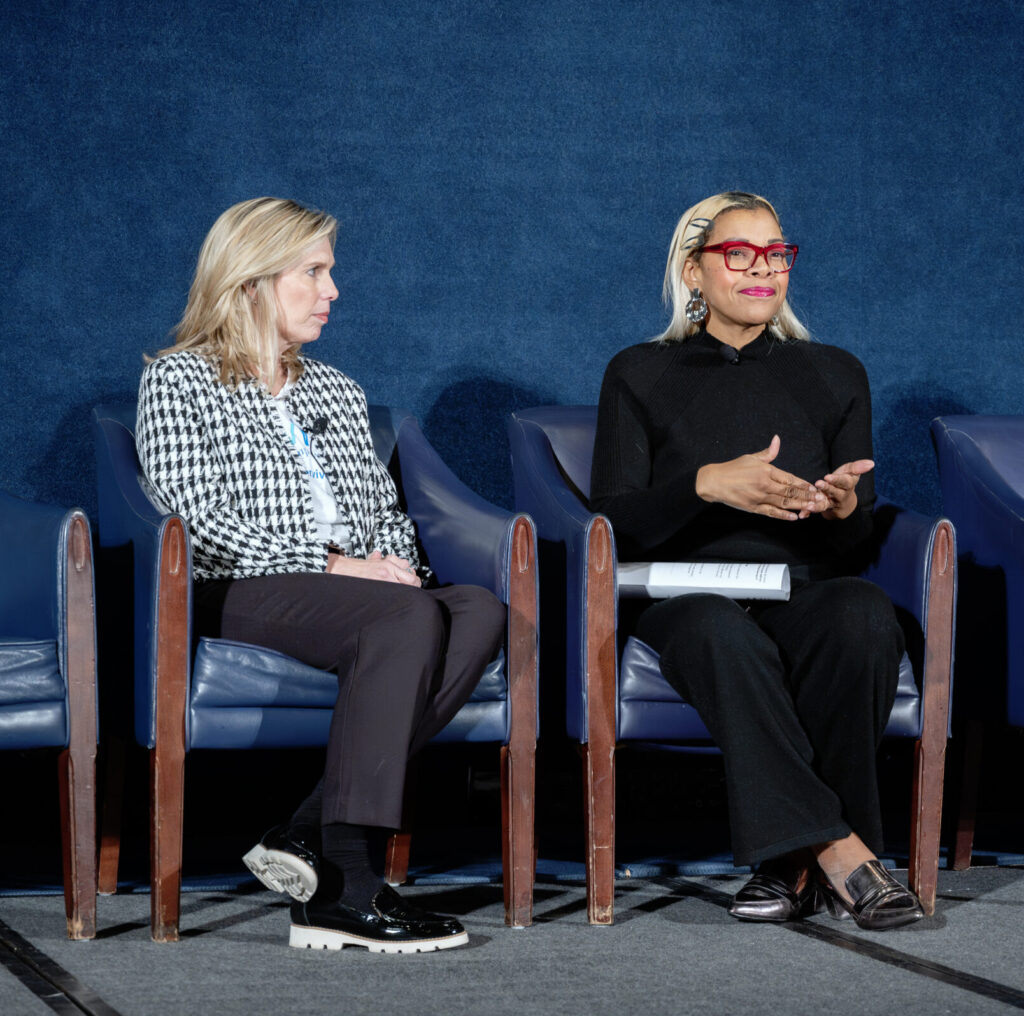
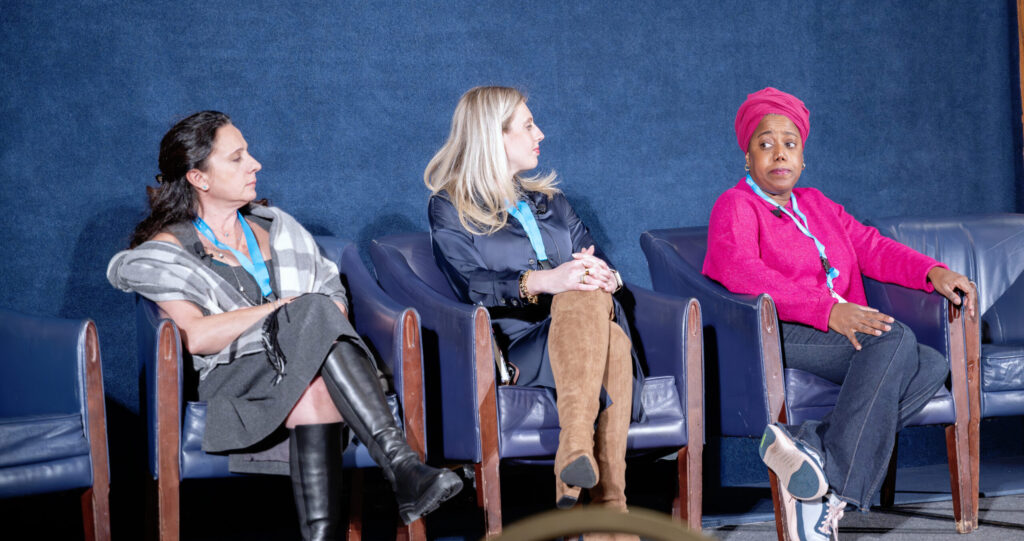
Esra Urkmez Uzel, Lilly Stairs, and Bikira Radcliffe speak on a panel about patient advocacy and cancer burnout prevention at the 2025 Cervical Cancer Summit. Bikira, wearing a bright pink shirt and matching head wrap, is seated on the left.
From left, Esra Urkmez Uzel, Lilly Stairs, and Bikira Radcliffe discuss patient advocacy and preventing cancer burnout at the 2025 Summit.

Ultimately, the story of cervical cancer in the Black community isn’t just about statistics – it’s about lived experiences that highlight the urgent need for change. At Cervivor, we are committed to ending cervical cancer through:

  • Education: Providing accurate, accessible information on HPV, cervical cancer risks, and the importance of regular screenings.
  • Advocacy: Amplifying voices to break the stigma and silence surrounding these issues.
  • Empowerment: Encouraging individuals to take charge of their health by advocating for themselves, asking questions, and demanding timely, respectful care.

Consider these ways to connect with other Black cervical cancer patients and survivors through Cervivor:

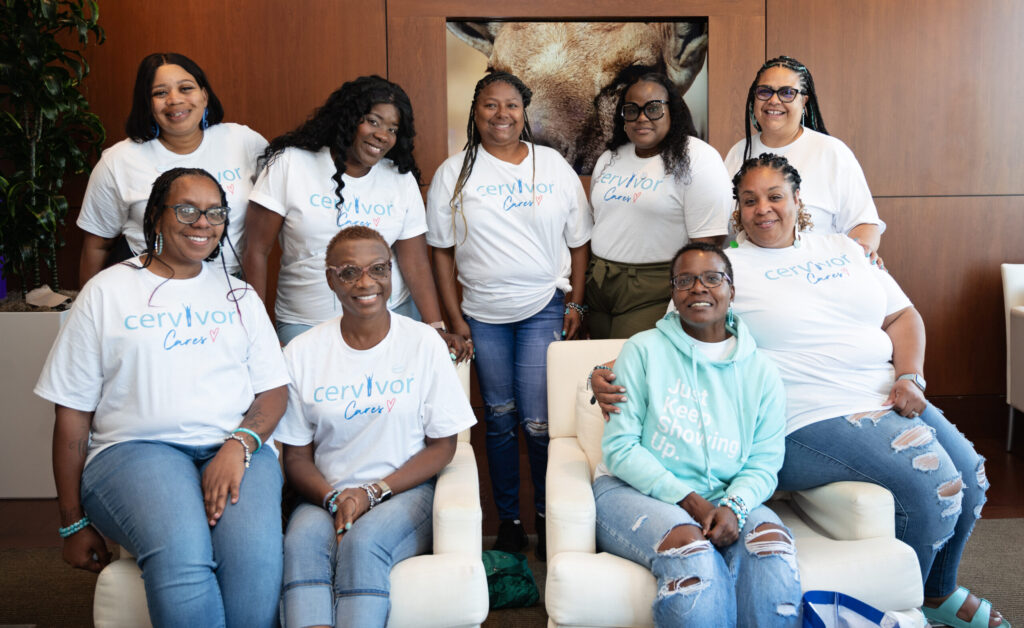
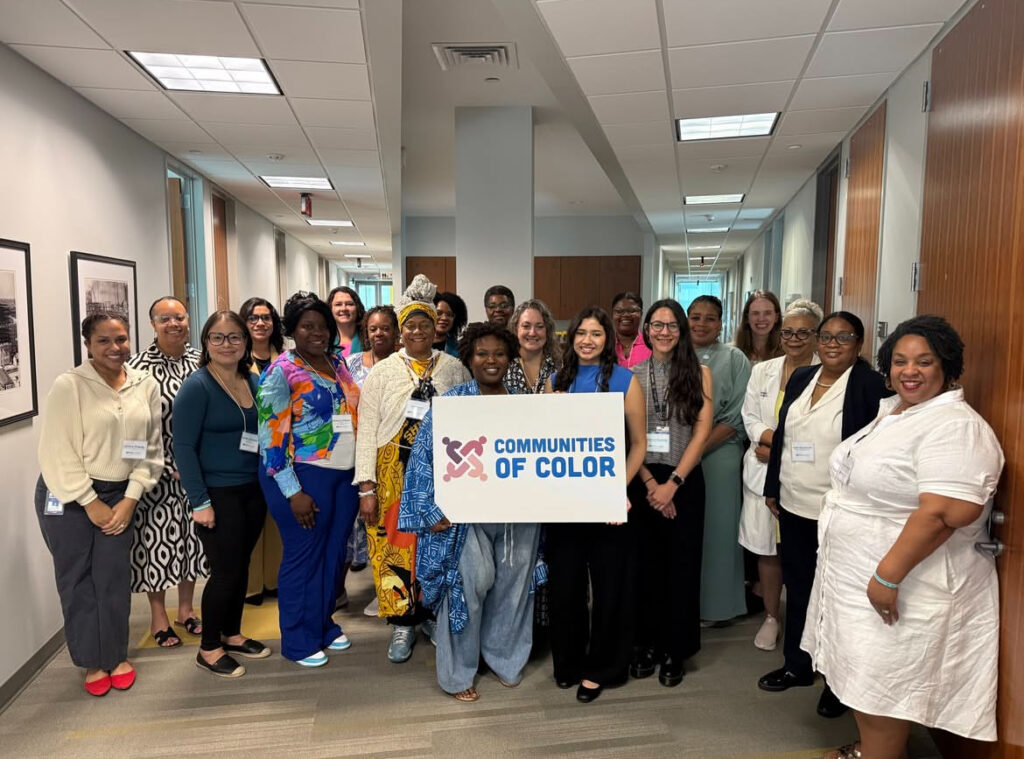
Cervivor community members of color, wearing Cervivor Cares shirts, smile together at the 2024 Communities of Color Retreat in Cleveland, OH. Tamika Felder has her arm around Gwen Jackson.
Participants at Cervivor’s 2024 Communities of Color Retreat in Cleveland, OH.
  • Communities of Color Retreat – A training to support and empower individuals from diverse communities who have been impacted by cervical cancer, the retreat aims to provide a platform for sharing experiences, connecting with others, and promoting health equity and awareness about cervical cancer. Learn more about the most recent retreat.
  • Cervivor Noir – A private group reserved for cervical cancer patients and survivors who identify as African American or Black. Join today and connect with others in the community!
  • Black Cervix Chat – An event that aims to bridge gaps in healthcare access and provide a supportive space for discussions related to cervical health, screenings, and general well-being for those in the Black community. Watch now on CervivorTV!
  • Cervivor Stories – Visit the Cervivor website to read the testimonies of others impacted by cervical cancer and share your story with an easy-to-follow template. 

By advocating for awareness, equitable healthcare, and open conversations, the Black community can break the silence and move toward a healthier cervical-cancer-free future.