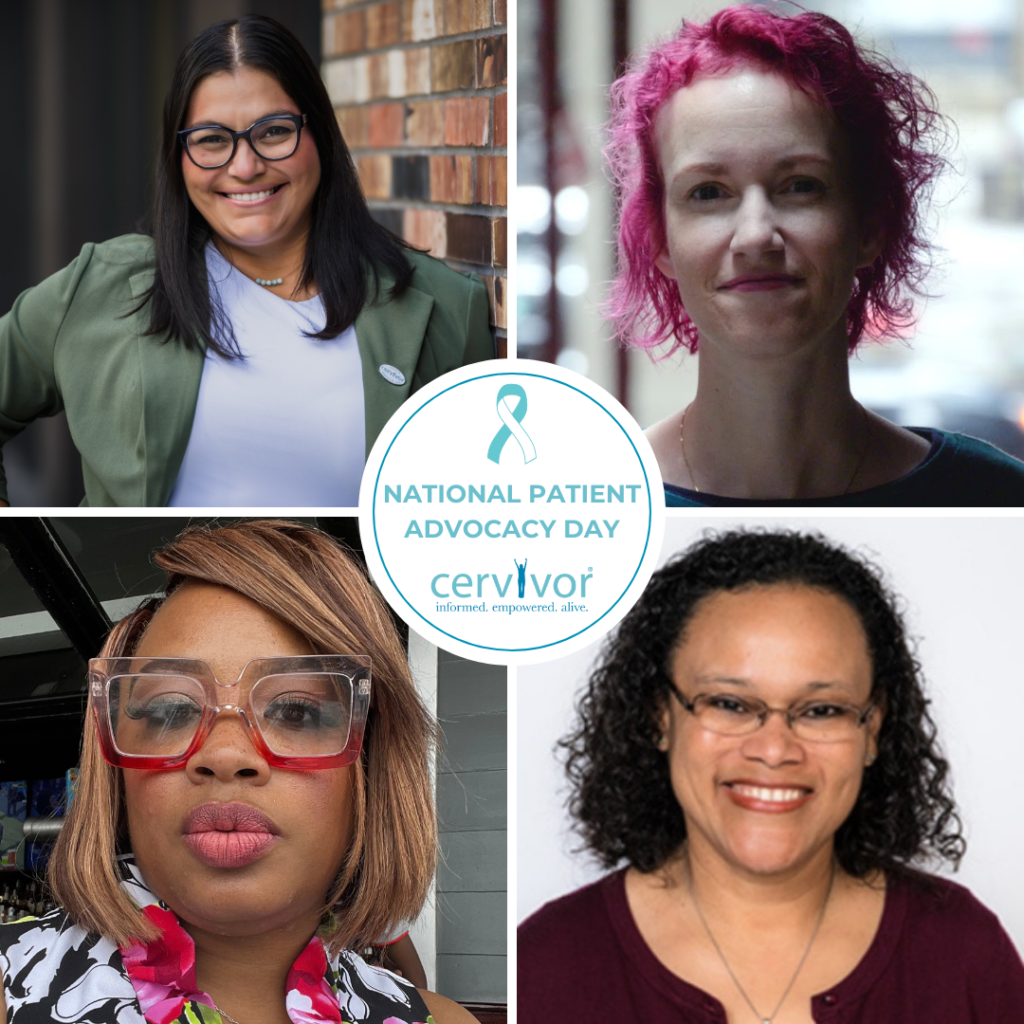
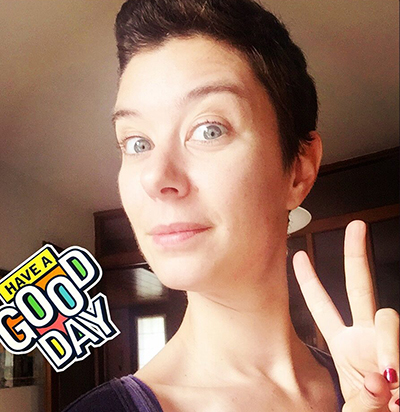
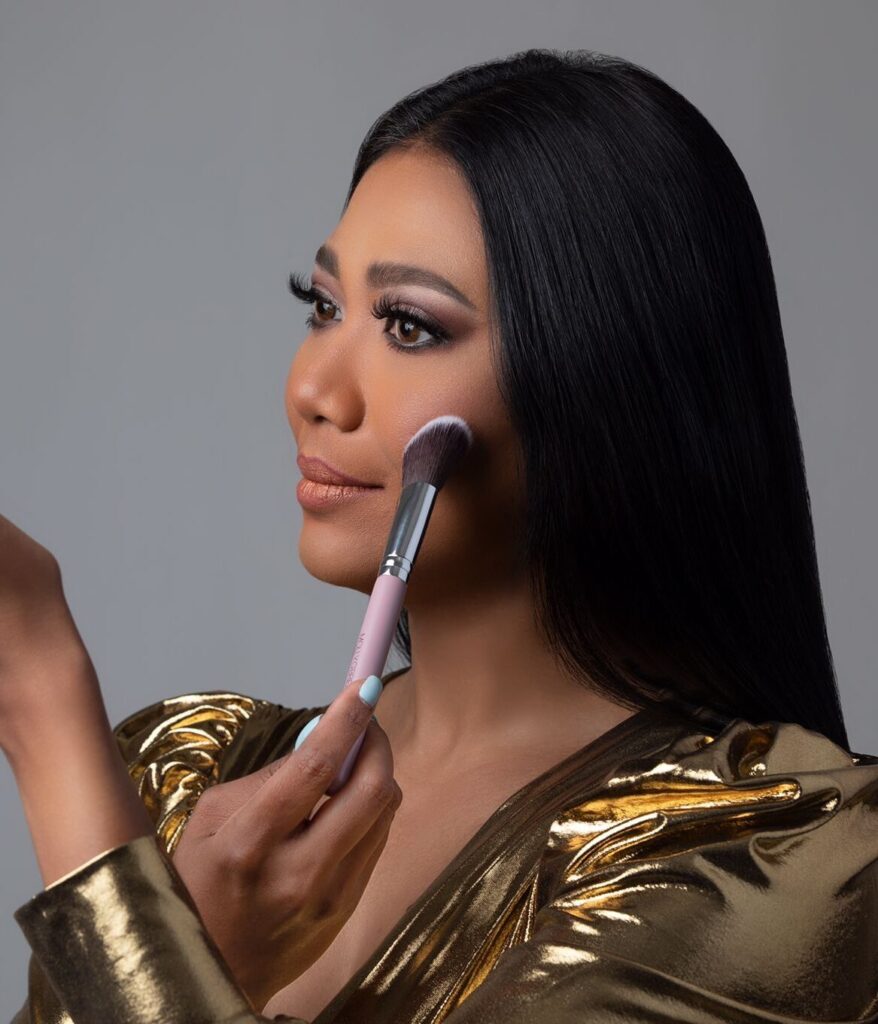
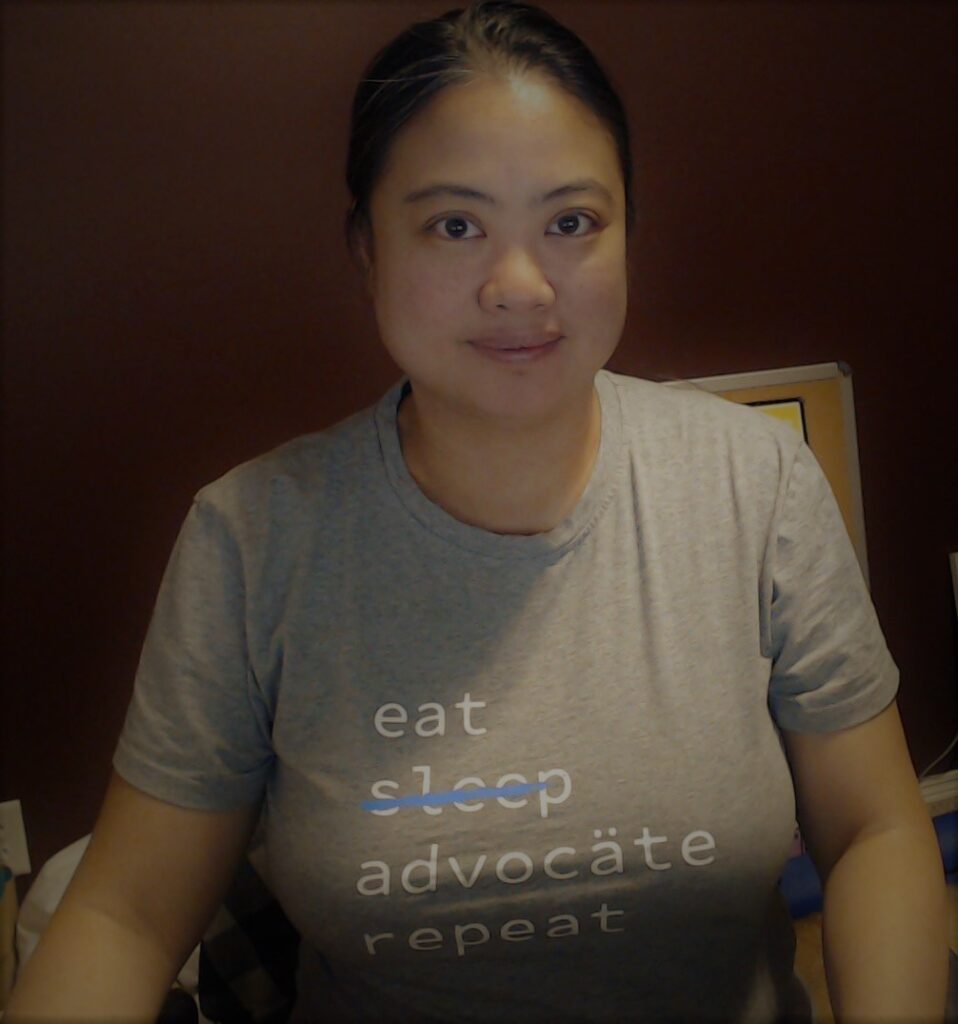
As we celebrate International Women’s Day on March 8 and Women’s History Month throughout March, Cervivor, Inc. is proud to share the unique perspectives and experiences of cervical cancer survivors worldwide. These courageous women have bravely shared their stories, highlighting the diverse challenges and triumphs in the mission to end cervical cancer – one of the world’s most preventable cancers.
Learn about the state of global cervical cancer awareness and support services in each country and be inspired by the patients and survivors who live there. Sadly, one of the women featured is no longer with us, but her legacy continues to make an impact.
United States of America
The State of Cervical Cancer
In the United States, cervical cancer remains a significant health concern, with 13,360 new cases diagnosed annually, resulting in 4,320 deaths (ACS). According to MedPage Today, despite the importance of early detection, cervical cancer screening rates have been declining, dropping from 46.8% in 2019 to 40.4% in 2021 before slightly increasing to 40.9% in 2023.
There are some promising trends: Among women ages 20 to 24 who were screened from 2008 to2022, cervical precancer rates decreased by about 80%. HPV vaccination efforts are also paying off, with 61.4% of adolescents aged 13 to 17 being up-to-date on their vaccinations. Notably, HPV vaccination rates vary significantly by state, ranging from 39% in Mississippi to 85% in Rhode Island. Some states, including Hawaii, Rhode Island, Virginia, and D.C., have implemented laws requiring HPV vaccination for school entry, while others, like California, have enacted laws promoting vaccine education and recommendations (KFF).
Marlene’s Story
Marlene, a cervical cancer survivor from California, shares how her life was forever changed when she was diagnosed with stage IB2 cervical cancer at the age of 33. With a family history of cervical cancer, Marlene was already on high alert, but nothing could have prepared her for the shock and fear that came with her own diagnosis. Throughout her journey, Marlene found strength in her faith, family, and friends, and underwent a radical hysterectomy, external radiation, and chemotherapy. Today, Marlene is passionate about using her experience to help others, emphasizing the importance of regular Pap tests and self-care. Her message to other women is one we all need to hear: “You did nothing wrong… focus on yourself and on what you need.” Read Marlene’s full story.
Support for Survivors
Cervical cancer patients and survivors have access to a range of support resources. The National Cervical Cancer Coalition (NCCC) provides education, advocacy, and support through online forums, local chapters, and a helpline. The American Cancer Society (ACS) offers free resources, including transportation to treatment, lodging, and emotional support. Cervivor focuses on advocacy, education, and support for those impacted by cervical cancer and their families. Additionally, the National Cancer Institute’s (NCI) Cancer Information Service provides information and support via phone, email, and online chat. These organizations, along with others, provide a comprehensive network of support for cervical cancer patients and survivors.
Kenya
The State of Cervical Cancer
According to the World Health Organization, Sub-Saharan Africa, where Kenya is located, bears a disproportionate burden of cervical cancer, with 34.8 cases per 100,000 women diagnosed annually, and 22.5 deaths per 100,000 women. In Kenya, it remains the second most common cancer in women (HPV Information Centre). The region’s low screening rates exacerbate this issue, with only 10 to 12% of women in sub-Saharan Africa accessing screening services (Djibril et al.). HPV vaccination rates vary widely across countries. Some nations like Eritrea, Rwanda, Ethiopia, Mauritius, and Mozambique have made significant strides, achieving vaccination rates of over 70% (Kenya’s is about 44%). However, other countries, such as South Africa and Nigeria, still struggle with vaccination rates as low as 3% (World Bank).
Jane’s Story
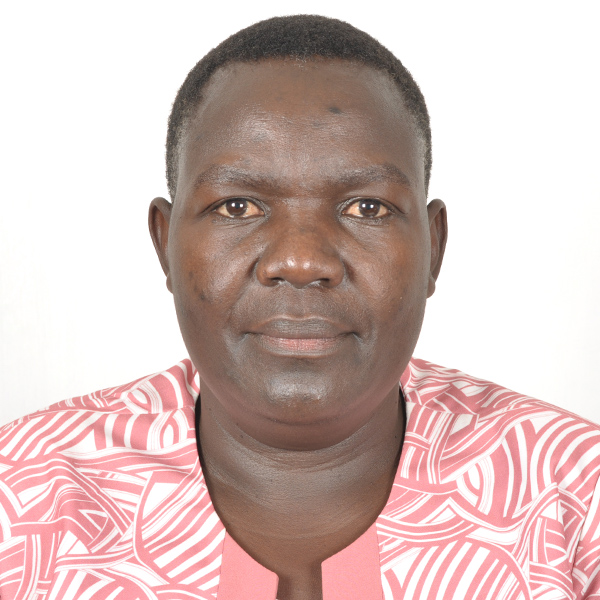
Jane, a cervical cancer survivor from Nairobi, Kenya, shares her powerful story of resilience and advocacy. Diagnosed with stage IB2 cervical cancer in 2014 at age 41, Jane’s life was forever changed. After a hysterectomy and 25 sessions of radiotherapy, Jane remained optimistic and prayerful, despite facing challenges like severe diarrhea, lymphedema, and high blood pressure. Now an 11-year cancer survivor, Jane advocates for cervical cancer awareness, emphasizing the importance of regular screening and encouraging women to take control of their health. She believes cancer is treatable if diagnosed early and spreads this message through speaking engagements and advocacy work. Read Jane’s full story.
Support for Survivors
In Africa, support for cervical cancer patients and survivors is primarily driven by initiatives focused on increasing access to screening, early detection, and treatment. Organizations like the World Health Organization, national resources like the Kenyan Network of Cancer Organizations (KENCO), , local Non-Governmental Organizations (NGOs), as well as Cervivor Africa offer a range of services, including patient education, counseling, support groups, and access to affordable treatment options.
Scotland
The State of Cervical Cancer
In Scotland, cervical cancer affects a significant number of women, with 326 new cases diagnosed each year, translating to approximately 11.7 cases per 100,000 women (Cancer Research UK). Fortunately, the country has made notable progress in cervical cancer prevention, with 68.7% of eligible women aged 25 to 64 up-to-date on their screening (Public Health Scotland). Additionally, Scotland’s HPV vaccination program has shown promising results, with 71.5% of first-year secondary school students receiving at least one dose of the HPV vaccine in the 2023-2024 school year (Public Health Scotland).
Cara’s Story
At 33, Cara was diagnosed with stage II cervical cancer after experiencing symptoms like excessive bloating and abdominal pain. Initially in shock and afraid, Cara underwent fertility treatment to preserve her eggs, followed by 25 rounds of radiotherapy, six chemotherapies, and three rounds of brachytherapy. Throughout her treatment, Cara practiced self-care, exploring mindfulness, meditation, and other calming activities to cope with the emotional and physical challenges. Now, Cara is out of treatment and shares her message to other women: “You are powerful. You have got this. You matter. Keep up with your routine check-ups. Put your health first.” Read Cara’s full story.
Support for Survivors
In Scotland, organizations offer a range of support services to help recently diagnosed patients navigate their journey. Macmillan Cancer Support provides dedicated nurses, a support line, online forums, and information regarding the disease. Cancer Research UK also has a helpline with specialist nurses to discuss concerns and access information about cervical cancer. Additionally, The Eve Appeal, a UK-based charity, provides specialist support and information for anyone affected by gynecological cancers, including cervical cancer. Their expert nurses and information team are available to answer questions, offer emotional support, and provide guidance on treatment options and living with the disease.
Philippines
The State of Cervical Cancer
The Philippines faces significant challenges in combating cervical cancer, with 8,549 new cases and 4,380 deaths reported annually (International Agency for Research on Cancer). A major contributor to these alarming numbers is the country’s low cervical cancer screening rate, with fewer than 1 in 10 women screened in the last five years (Philippine Institute for Development Studies). Efforts to vaccinate girls against HPV are underway, but coverage remains limited, with only 60% of provinces participating in a school-based program. This lack of access has led to the Philippines ranking last in HPV program coverage among low-middle-income countries (BMJ Global Health).
Hazel’s Story
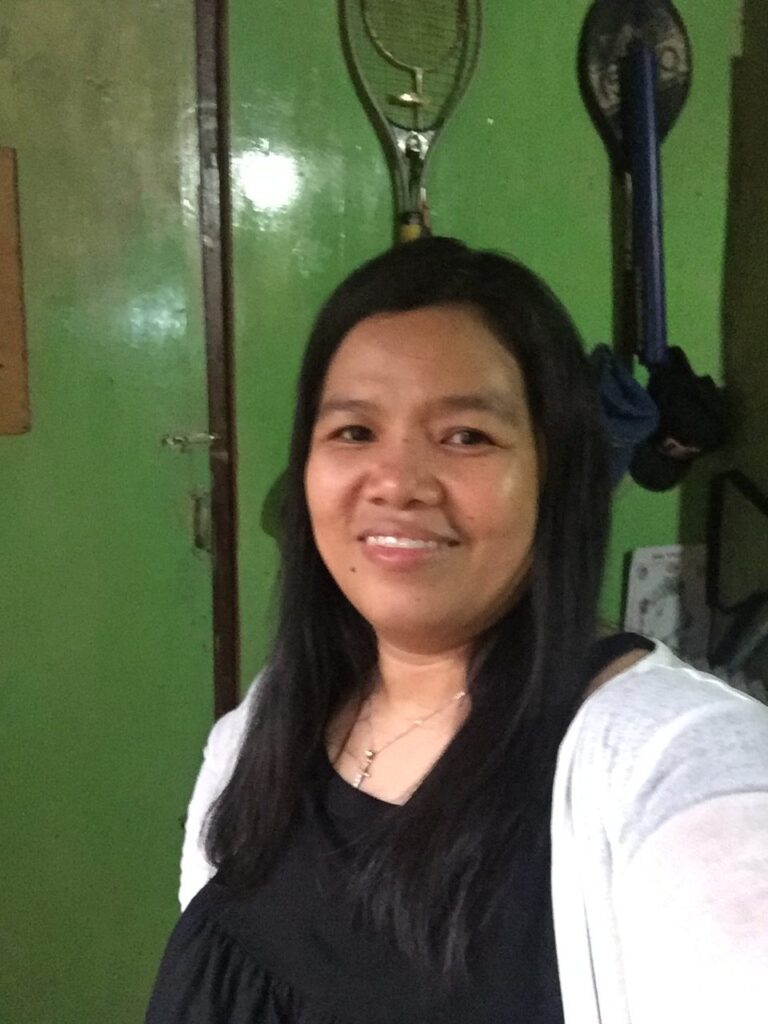
Diagnosed with stage IV cervical and ovarian cancer at 37, Hazel’s life was forever changed. Despite the initial shock, fear, and pain, Hazel underwent surgery, homeopathic and alternative treatments, and one session of chemotherapy. Throughout her journey, Hazel found strength in prayer, adopting the mantra “P.U.S.H. – Pray Until Something Happens.” Now, Hazel lives a stress-free life, prioritizing a healthy lifestyle, organic living, and her faith. Her message to other women is one of caution and empowerment: “Cervical cancer is a silent killer… Visit your doctors regularly, be cautious, eat right, exercise daily, and pray always for a stress-free life.” Read Hazel’s full story.
Support for Survivors
In the Philippines, cervical cancer patients and survivors can access support through various organizations. The Philippine Cancer Society (PCS) provides education, screening, and support services, while the Cancer Warriors Foundation offers support, education, and advocacy. International organizations with Philippine chapters, such as the International Union Against Cancer (UICC), also provide support and resources for cervical cancer patients and survivors in the Philippines.
Italy
The State of Cervical Cancer
In Italy, cervical cancer affects a significant number of women, with 3,105 new cases and 1,011 deaths reported annually (HPV Information Centre). However, the country has made notable strides in cervical cancer screening, with 77.5% of women aged 25-64 undergoing screening within the past three years (Statista). Additionally, Italy has implemented HPV vaccination programs, with 38.8% of 12-year-old girls and 31.81% of 12-year-old boys receiving the vaccine in 2022 (Statista).
Stefania’s Story
Diagnosed with stage I adenocarcinoma at 33, Stefania’s life was turned upside down. After undergoing a trachelectomy, chemotherapy, radiotherapy, and brachytherapy, Stefania faced numerous challenges, including exhaustion, fear, and a painful breakup with her boyfriend. Despite these obstacles, Stefania found strength in writing, psychological support, and healthy eating. Afterwards, Stefania started rebuilding her life, including a new job, and advocating for cervical cancer awareness, particularly among young adult women. Her message is one of hope and support: “I am here for any kind of support I can give… I want to spread the word about HPV, cervical cancer, and the importance of knowing your rights during and after cancer.” Read Stefania’s full story.
Support for Survivors
In Italy, cervical cancer patients and survivors can access support through various organizations. The Italian Cancer Society (Associazione Italiana per la Ricerca sul Cancro, AIRC) and the Italian Association for Cancer Research (AIRC) provide information, resources, and support for cancer patients, including those with cervical cancer. The Italian League Against Cancer (Lega Italiana per la Lotta contro i Tumori, LILT) also offers support services, including counseling, financial assistance, and access to screening programs.
Japan
The State of Cervical Cancer
Cervical cancer remains a public health concern in Japan, with 12,785 new cases and 4,213 deaths reported annually (HPV Information Centre) – comparable to U.S. rates, but with a much smaller population. One reason: The country’s cervical cancer screening rate is relatively low, at around 43% for women aged 20 to 69, compared to other developed countries. However, efforts to prevent cervical cancer through HPV vaccination are underway, with 30.1% of eligible individuals having received at least one dose of the HPV vaccine as of April 2022 (Global Health & Medicine).
Ryoko’s Story
At 38, Ryoko was diagnosed with cervical cancer after experiencing watery discharge with blood. Having to navigate the diagnosis and treatment alone because her mother was in a nursing home and Ryoko lived alone, she underwent a total hysterectomy and lymph node removal. Fortunately, there were no remaining cancer cells, and Ryoko was able to recover without further treatment. She highlights the cultural challenges in discussing cervical cancer. “I do not want any other woman to have this kind of hardship,” Ryoko explains. “I want to get rid of the stigma surrounding this disease. I hope one day, no women suffer from cervical cancer.” Read Ryoko’s full story.
Support for Survivors
In Japan, cervical cancer patients and survivors can access support through various organizations. The Japan Cancer Society and the Japanese Cancer Association provide information, resources, and support for cancer patients, including those with cervical cancer. NGOs like Cancer Support Community Japan provide emotional support and counseling for women with gynecologic cancers, including cervical cancer.
Qatar
The State of Cervical Cancer
According to the HPV Information Centre, Qatar has only 23 new cases and 11 deaths reported annually. However, the country’s cervical cancer screening rate is also relatively low, at 17.2%, according to Sidra Medicine. Additionally, Qatar has a current HPV vaccination rate of 5.8% as of October 2024. This rate lags behind neighboring countries like the UAE, which boasts a vaccination rate of 18.9%. Currently, the vaccine is available upon request, but Qatar’s Supreme Immunization Committee is reviewing the incorporation of the HPV vaccine into the country’s childhood immunization schedule (BMC Public Health).
Valerie’s Story
Valerie was no stranger to gynecologic issues such as abdominal pain and a history of ovarian cysts, but when she was diagnosed with stage IB2 adenocarcinoma at 38, her life was turned upside down. She underwent chemotherapy, radiotherapy, and brachytherapy. She is now NED (no evidence of disease). Throughout her journey, Valerie has emphasized the importance of self-advocacy, persistence, and seeking medical attention when something feels off. Her message to other women is one of empowerment: “Never ignore your symptoms. Get your kids vaccinated against HPV, and find a gynecologist that listens to you.” Valerie continues to share her story, support others, and advocate for women’s health, inspiring countless individuals along the way. Read Valerie’s full story.
Support for Survivors
Individuals affected by cervical cancer can find support through the Qatar Cancer Society (QCS), a charity dedicated to providing care and resources for those living with cancer. The QCS has launched the “Women’s Cancer Support Groups” program in collaboration with the Women’s Health and Research Centre and the National Centre for Cancer Care and Research. This initiative offers psychosocial and community support specifically tailored for women with cancer, including those with cervical cancer, providing a safe space for connection, sharing, and healing.
Canada
The State of Cervical Cancer
In Canada, cervical cancer is still a concern, with approximately 1,550 new diagnoses and 400 deaths reported in 2023. Despite the importance of early detection, screening rates fall short, ranging from 60% to 75% in 2022, with about 37% of diagnosed individuals having never been screened or not screened in the previous five years. To combat this, Canada aims to have 90% of eligible individuals up-to-date with cervical screening by 2030. While HPV vaccination rates vary from 57% to 91% across provinces, there is a focus on continued awareness, education, and advocacy efforts to create a future where cervical cancer is rare and manageable (Canadian Partnership Against Cancer).
Grace’s Story
Unlike the other global survivors featured here, Grace is no longer alive, but she left a lasting mark on the lives of those who knew her. Diagnosed with stage II adenocarcinoma at 40, Grace faced her journey with resilience and determination. During the challenges posed by the COVID-19 pandemic, Grace underwent radiation therapy, chemotherapy, and brachytherapy, all while sharing her story to raise awareness about cervical cancer and the importance of screening. Through her blog, Gracie’s Cancer Journey, she inspired countless individuals with her courage, humor, and advocacy. Her legacy reminds us that cervical cancer is preventable through screening and that sharing our stories can make a profound difference. Read Grace’s full story.
Support for Survivors
The Canadian Cancer Society offers a comprehensive support system, including a helpline, online community, and community services locator. Additionally, CancerCare Ontario provides valuable resources for individuals with cancer, their families, and their caregivers. The Canadian Foundation for Women’s Health also plays a vital role in supporting women’s health, funding research that improves sexual and reproductive health, backing international women’s health programs, and advocating for increased funding for women’s health research. These organizations provide a safety net of care, guidance, and community for those navigating cervical cancer.
Guyana
The State of Cervical Cancer
In Guyana, cervical cancer is the second leading cause of cancer deaths among women, with 121 new cases and 63 deaths annually. To combat this, Guyana has implemented a national program aiming to eliminate cervical cancer by 2030. The Ministry of Health’s Package of Essential Health Services includes cervical cancer prevention, screening, and treatment. Guyana was a pioneer in the Caribbean in introducing the HPV vaccine in 2012 and expanding it to both males and females aged 9 to 16 in 2017. Unfortunately, COVID-19 disruptions, including school closures, hindered efforts to sustain and increase HPV vaccination rates, which are now lower than desired (PanAmerican Health Organization).
Davina’s Story
Davina, who lives in Georgetown, Guyana, was a radiation therapist when she was diagnosed with stage II cervical cancer at age 39. Struggling with the initial shock and anger, Davina underwent 25 sessions of external beam radiation, 5 cycles of chemotherapy, and 3 sessions of brachytherapy. Throughout her journey, Davina found strength in her faith, family, and positive thinking. Today, Davina is a dedicated advocate, raising awareness about cervical cancer and the importance of early detection, screening, and vaccination. Her message is clear: “Get informed, get tested, get vaccinated. Early detection will save your life.” Read Davina’s full story.
Support for Survivors
Cervical cancer patients and survivors can access various support services in Guyana to aid in their journey. Cervivor offers a virtual support group, Cervivor Caribbean, for cervical cancer patients and survivors throughout the region to connect and gain support. The Guyana Cancer Institute offers medical treatment, counseling, and support services. Additionally, organizations like the Guyana Cancer Foundation and The Guyana Cancer Prevention Society also promote cancer awareness, public health education, early detection, and palliative care.
Turn Experience into Action
As the stories of Marlene, Jane, Cara, Hazel, Stefania, Ryoko, Valerie, Grace, and Davina show, each journey with cervical cancer is uniquely personal yet universally impactful. But one pressing issue remains: We must end cervical cancer both in America and around the world. The good news? We have the tools to do it. With increased awareness, improved access to screening and vaccination, and continued advocacy, we can create a future where no woman has to face this disease.
Let the experiences of these global cervical cancer patients and survivors inspire us to take action, educate ourselves and others, and demand a world where cervical cancer is a thing of the past.
Get involved by:
- Sharing these stories on social media using the hashtags #Cervivor #EndCervicalCancer #CervicalCancer #InternationalWomensDay #WeAreCervivor.
- Learning more about cervical cancer and its impact around the world, and advocating for policies and programs that prioritize women’s health and well-being.
- Supporting organizations, like Cervivor, who are working to improve access to cervical cancer screening, treatment, and survivorship. It’s as simple as giving a one-time donation or becoming a monthly donor at your preferred amount. Remember, every dollar matters!
We can make this vision a reality.
We can ensure that no one with a cervix dies from cervical cancer.
We can make a difference.