February is National Cancer Prevention Month, a time to raise awareness about the preventable causes of cancer and encourage healthy lifestyle choices to reduce cancer risk. When it comes to cervical cancer, the disease can be almost entirely prevented through effective measures such as the HPV vaccination and regular screenings.
Ready for a “wow” moment? According to the American Association for Cancer Research (AACR), the five-year survival rate for cervical cancer is approximately 92% when detected early, compared to just 17% in advanced stages. While the National Cancer Institute notes that prognosis statistics are based on large sample sizes and individual responses to treatment can vary, this stark difference – between early detection versus later – underscores the critical role of prevention in saving lives.
In honor of Cervical Cancer Awareness Month last month, the Prevent Cancer Foundation asked our founder, Tamika Felder, to create a video call to action to educate and empower others about cervical cancer. Check it out, then take a moment to learn about the best ways to prevent the disease.
4 Tips for Cervical Cancer Prevention
Here are some prevention tactics that can significantly reduce the risk of cervical cancer:
1. HPV Vaccination
The Human Papillomavirus (HPV) vaccine is a highly effective way to prevent cervical cancer, protecting against the HPV strains most commonly linked to the disease. Recent research search shows that cervical cancer deaths among young women up to age 25 have dropped significantly since the introduction of the HPV vaccine in the mid-2000s.
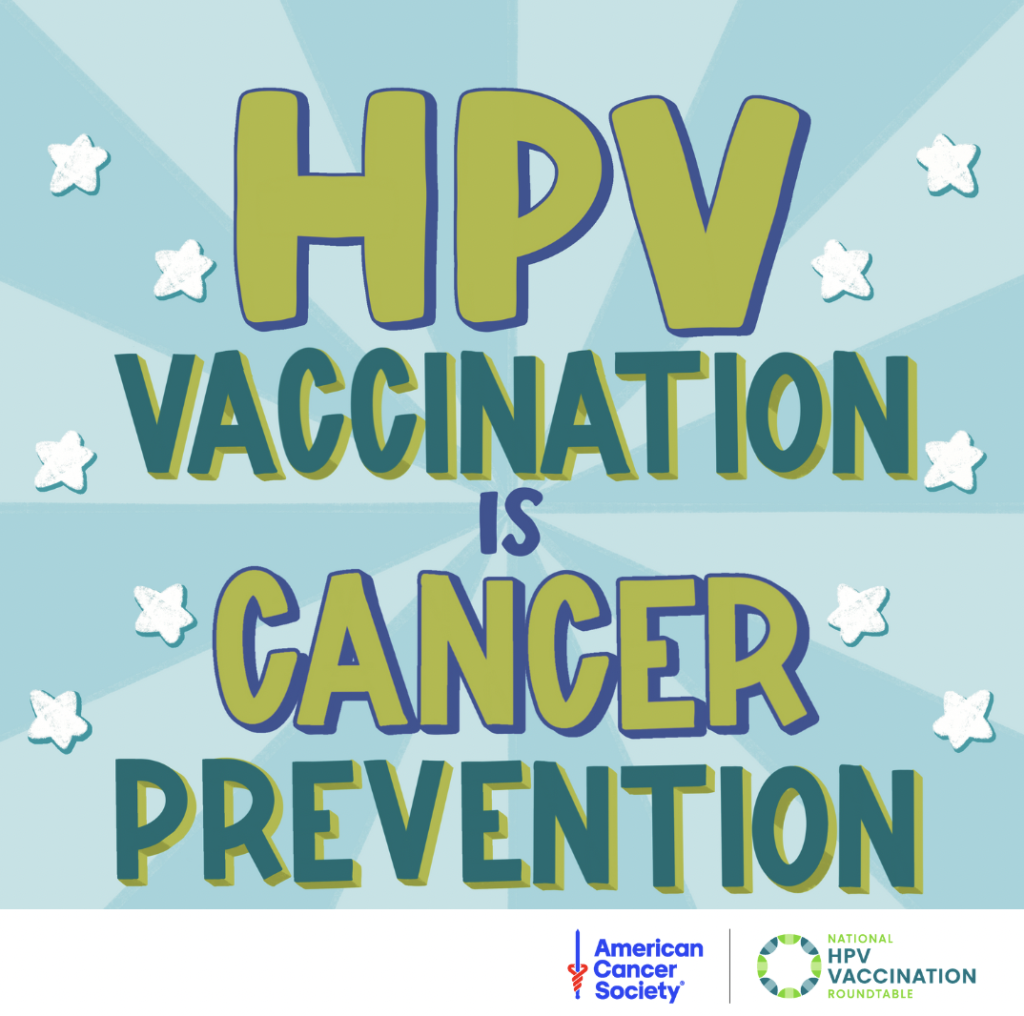
The recommended HPV vaccination schedule is as follows:
- Ages 9–12: The vaccine can be started as early as age 9 and is routinely recommended at ages 11–12.
- Ages 13–26: If not vaccinated earlier, individuals up to age 26 can receive the vaccine, with a catch-up schedule if needed.
- Ages 27–45: The vaccine is FDA-approved for adults up to age 45. While the benefit is lower in this age group, those at risk can discuss vaccination with their healthcare provider.
For more information, check out our Partners in Purpose at the National HPV Roundtable.
2. Healthy Lifestyle
Maintaining a healthy lifestyle can help reduce the risk of cervical cancer. This includes:
- Avoiding Tobacco: Smoking tobacco and exposure to secondhand smoke can increase cancer risk.
- Eating a Balanced Diet: Focus on a diet rich in fruits, vegetables, and fiber while ensuring adequate calcium intake. Limit processed meats and alcohol consumption.
- Exercising Regularly: Staying active helps maintain a healthy weight, as obesity can contribute to cancer risk.
Even if you’re a cervical cancer survivor, maintaining a healthy lifestyle can support overall well-being and help reduce the risk of recurrence. Need motivation? Survivor Slimdown is an online space powered by Cervivor for all cancer survivors of all cancer types. By joining this community, you’ll get monthly fitness and diet challenges, daily motivation, accountability from others, and education from our Certified Wellness Instructor and Cervivor Ambassador, Patti Murillo-Casa.
3. Regular Screening
Regular screening is essential for early detection of cervical cancer. The Pap test and HPV test can help identify abnormal cell changes or HPV infections before they become cancerous. Now, there are even more options like an HPV Self-Collection test.
The current recommended screening guidelines by the U.S. Preventive Services Task Force (USPSTF) are as follows:
- Women aged 21 to 29 years: Screen for cervical cancer every 3 years with cytology alone.
- Women aged 30 to 65 years: Screen for cervical cancer every 3 years with cytology alone, every 5 years with hrHPV testing alone, or every 5 years with cotesting.
- Women younger than 21 years, women older than 65 years with adequate prior screening, and women who have had a hysterectomy: Do not screen for cervical cancer.
Disclaimer: The guidelines are currently being updated.
4. Diagnostic and Treatment Options
If abnormal cell changes or high-risk HPV infections are detected, there are several diagnostic and treatment options available including:

- Colposcopy: A procedure that uses a special microscope to examine the cervix for abnormal cell changes.
- Cryotherapy: A treatment that uses freezing temperatures to destroy abnormal cells.
- LEEP (Loop Electrosurgical Excision Procedure): A procedure that uses a special wire loop to remove abnormal cells.
- Laser Therapy: A treatment that uses a laser to destroy abnormal cells.
By taking advantage of the prevention and early detection options outlined above, you can significantly reduce your risk of cervical cancer – not just during National Cancer Prevention Month, but all year long.
Join the Mission to Prevent Cervical Cancer
At the heart of cervical cancer prevention and awareness is Cervivor, a global community dedicated to educating and empowering those affected by cervical cancer. But we don’t stop there! Our community includes patients, survivors, loved ones, care teams, policymakers, and more – working together to drive meaningful change in their own backyards and beyond.

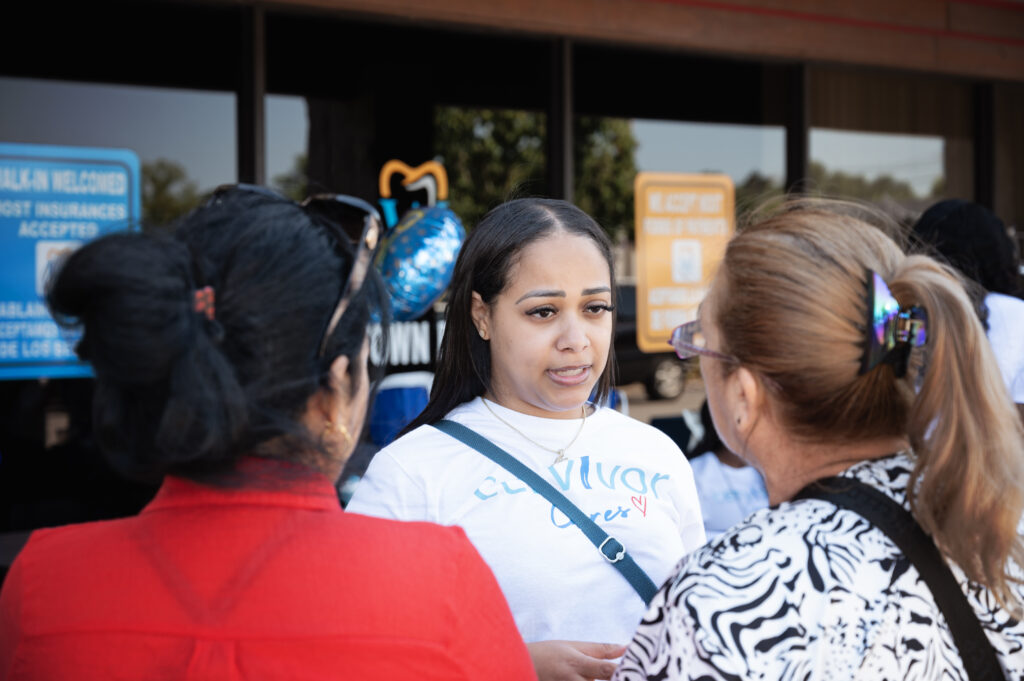
One of Cervivor’s key prevention initiatives, #Screen4Me, encourages individuals to prioritize cervical cancer screening and follow-up care, emphasizing that early detection saves lives. The concept behind it? If someone isn’t motivated to get screened for themselves, they’re encouraged to do it for someone who has experienced cervical cancer – as in, “get screened for me.”
Through #Screen4Me, Cervivor provides:
- Educational Resources on existing free or low-cost screening opportunities for individuals who may not have access to healthcare.
- Personal Impact Stories to raise awareness about cervical cancer prevention and early detection.
- Community Outreach and Engagement to promote screening and education.
Cervivor is working to close the gap in cervical cancer screening and education, aiming to save lives by detecting cervical cancer early, when it is most treatable. By supporting programs like #Screen4Me, we can work together to create a cervical cancer-free future!
Interested in learning more? Sign up for updates here. Want to help fund our mission to end cervical cancer? All donations are gratefully accepted through our “Tell 20, Give 20” campaign. Find out more!