When Tamika Felder founded Cervivor, Inc., in 2005, she wasn’t trying to build a national nonprofit with global reach. She was simply navigating her own cervical cancer diagnosis and determined that no woman should feel as alone as she once did.
Today, as Founder and Chief Visionary of Cervivor, Tamika leads an international movement to eliminate cervical cancer and confront health disparities—especially those affecting women of color.

During Black Philanthropy Month—and on Give 8/28, a national day dedicated to uplifting Black-led and Black-benefiting nonprofits—Tamika’s story is a powerful reminder of how Black leaders are driving change in health equity and advocacy. For her, the day is rooted in pride and visibility. “I’ve always been a part of community service,” she says, reflecting on the example set by her parents. “There are so many Black organizations doing incredible work, but they don’t always get the recognition they deserve. Give 8/28 is a day to say we’re proud to lead these organizations.”
Here, Tamika shares her wisdom and advice for others—whether you’re launching a nonprofit or fighting for access to quality healthcare for all.
Finding Her ‘Why’ and Reclaiming Her Voice
One of Tamika’s guiding messages as a leader and survivor is the importance of finding your “why”—the driving force behind your advocacy work and passion. For her, that “why” was born during cancer treatment and its aftermath, as she grieved the sudden end of her career as an up-and-coming broadcast journalist in Washington, D.C., and the loss of her fertility. “Little by little, the trauma had less of a hold on my life, and I began to embrace the possibilities that life beyond cancer could hold,” she says.
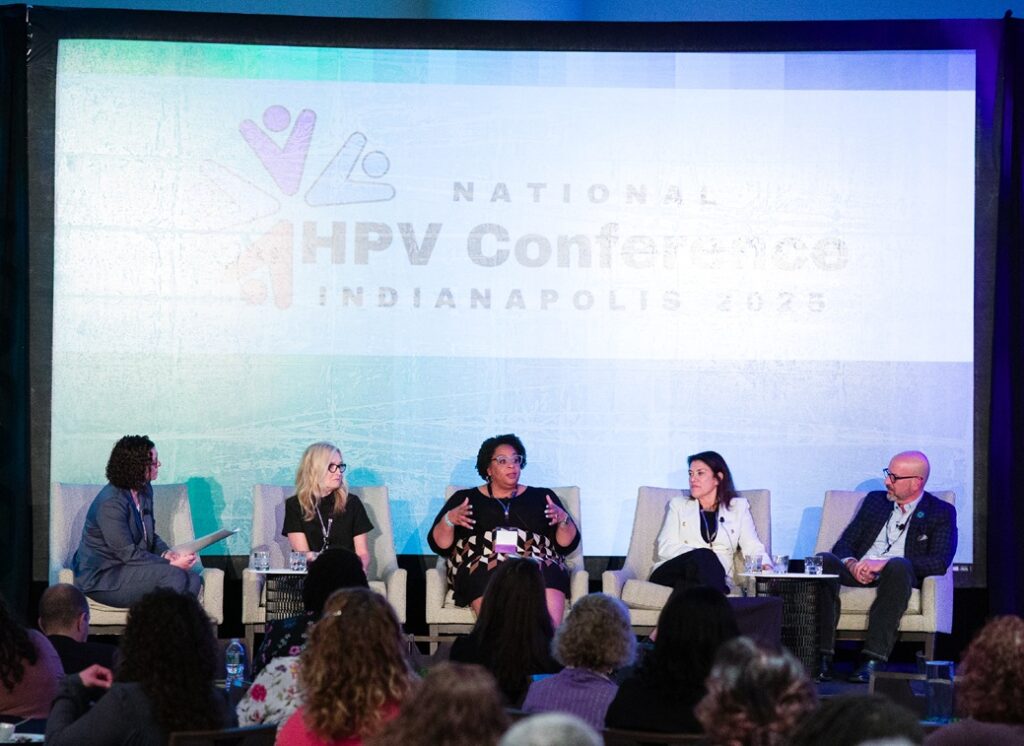
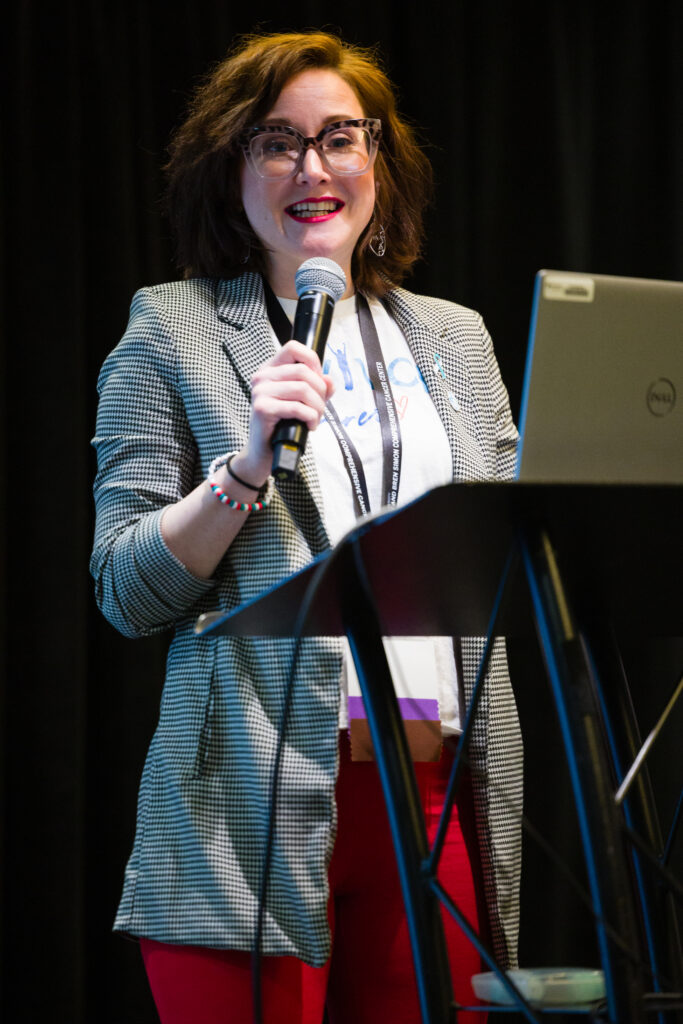
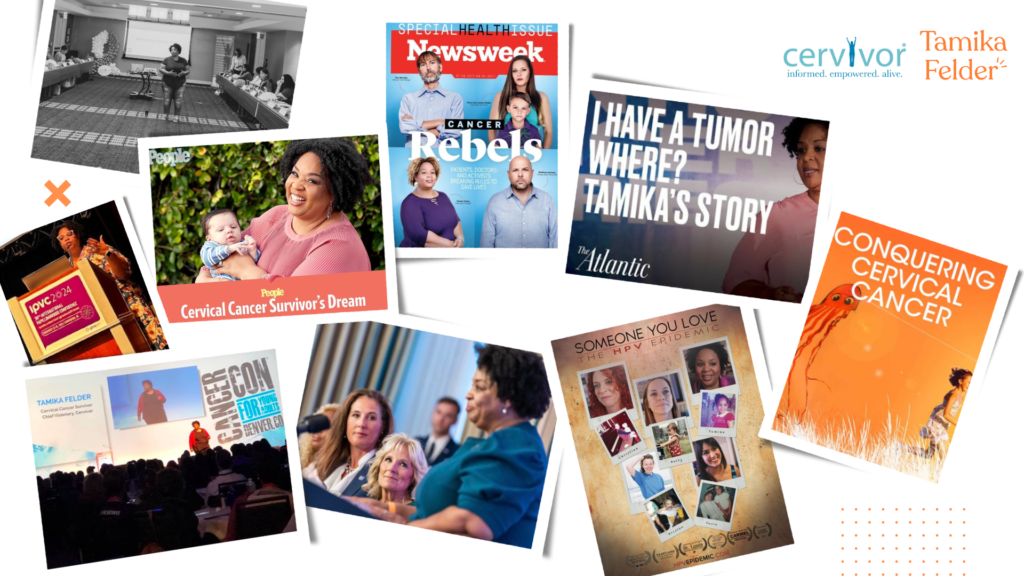
A pivotal moment came when she was asked to testify in support of a Maryland law to safeguard parenthood for young adult cancer patients. “Through tears and shaky hands, I shared my story with legislators, and it made a difference,” she recalls. The Protect Parenthood law was ultimately passed in 2018. Since then, Tamika has continued to use her powerful voice—speaking on Presidential Panels and global stages, serving on national roundtables, and appearing in award-winning documentaries and major publications.
“Black Philanthropy Month is about increasing visibility for Black-led nonprofits,” she says. “Some people might look at Cervivor and think, ‘Well, it already has great visibility.’ But until cervical cancer is eliminated, it will always need more.”
Centering Health Equity
Tamika has always been clear: While the mission of Cervivor is universal—cervical cancer prevention and elimination—the path forward must address inequities that disproportionately affect Black and brown women. And she doesn’t mince words about why health equity is central to her work. “We know that there are disparity gaps in this space, and that people of color, especially Black and brown women, are falling through those gaps at a higher incidence,” she explains.
Cervical cancer is one of the most preventable cancers. With the HPV vaccine, Pap tests, HPV testing, and now self-collection options, the prevention tools exist to save lives. Yet Black women continue to face higher rates of diagnosis and death. Tamika believes part of the solution lies in representation: survivors telling their own stories and trusted messengers bringing information to their communities.
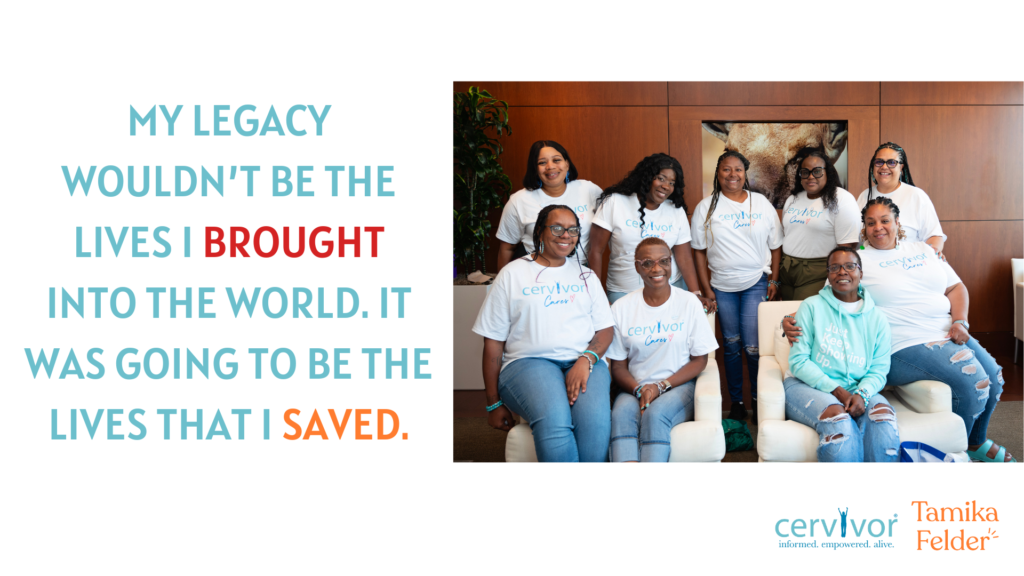
“When I first started sharing my story, I didn’t see anyone who looked like me,” she says. “Every time I see a Black woman sharing their story and sharing the correct scientific information behind cervical cancer, it makes me feel really, really proud.”
The Power of Patient Stories
Tamika has built Cervivor around the conviction that data alone is not enough. “We gave the data, but we didn’t tell the story,” a researcher once told her. That insight reshaped her advocacy.
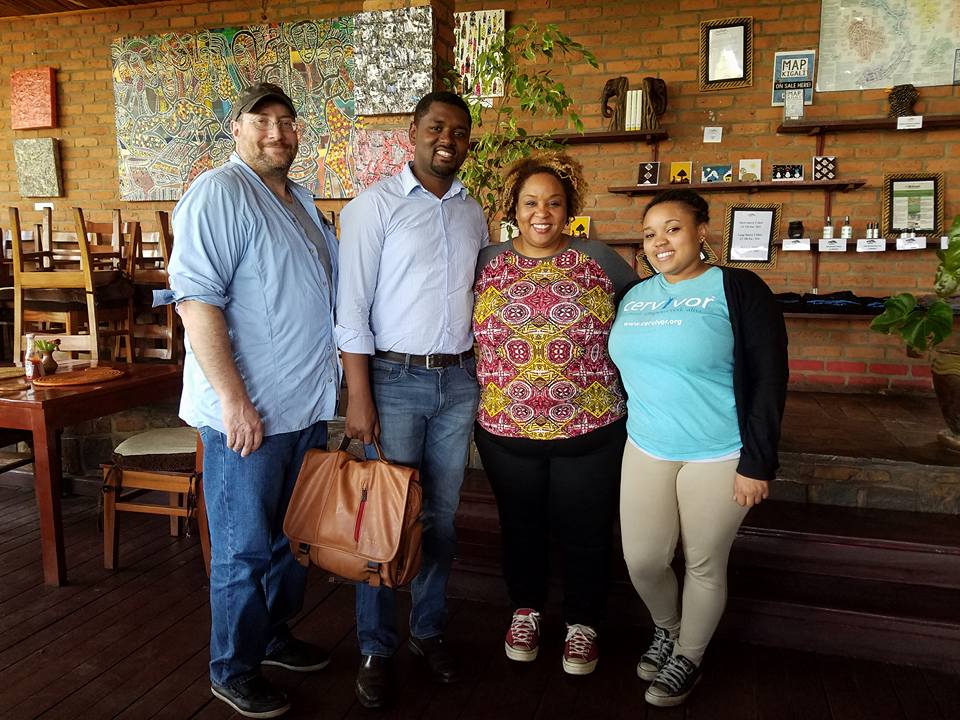
“You hear all the time that patient stories are important, but I uniquely got it,” Tamika reflects. “My story makes a difference. The hard parts of my story that I may not want to talk about can make a difference. ”From Cleveland to Rwanda, Cervivor has seen an impact by uplifting patient voices. At a Cleveland Clinic event, Cervivor ensured that “no one was left out of the screening” by providing culturally specific support through Cervivor Español and Cervivor Noir.
These stories matter because they reveal the lived reality of surviving cervical cancer—the hysterectomies, infertility, ostomies, and lifelong side effects often invisible to the public. “If we just let the general population tell it, well, you survived it, you’re doing fine. But I don’t look like what I’ve been through,” Tamika says.
Building Trust and Representation
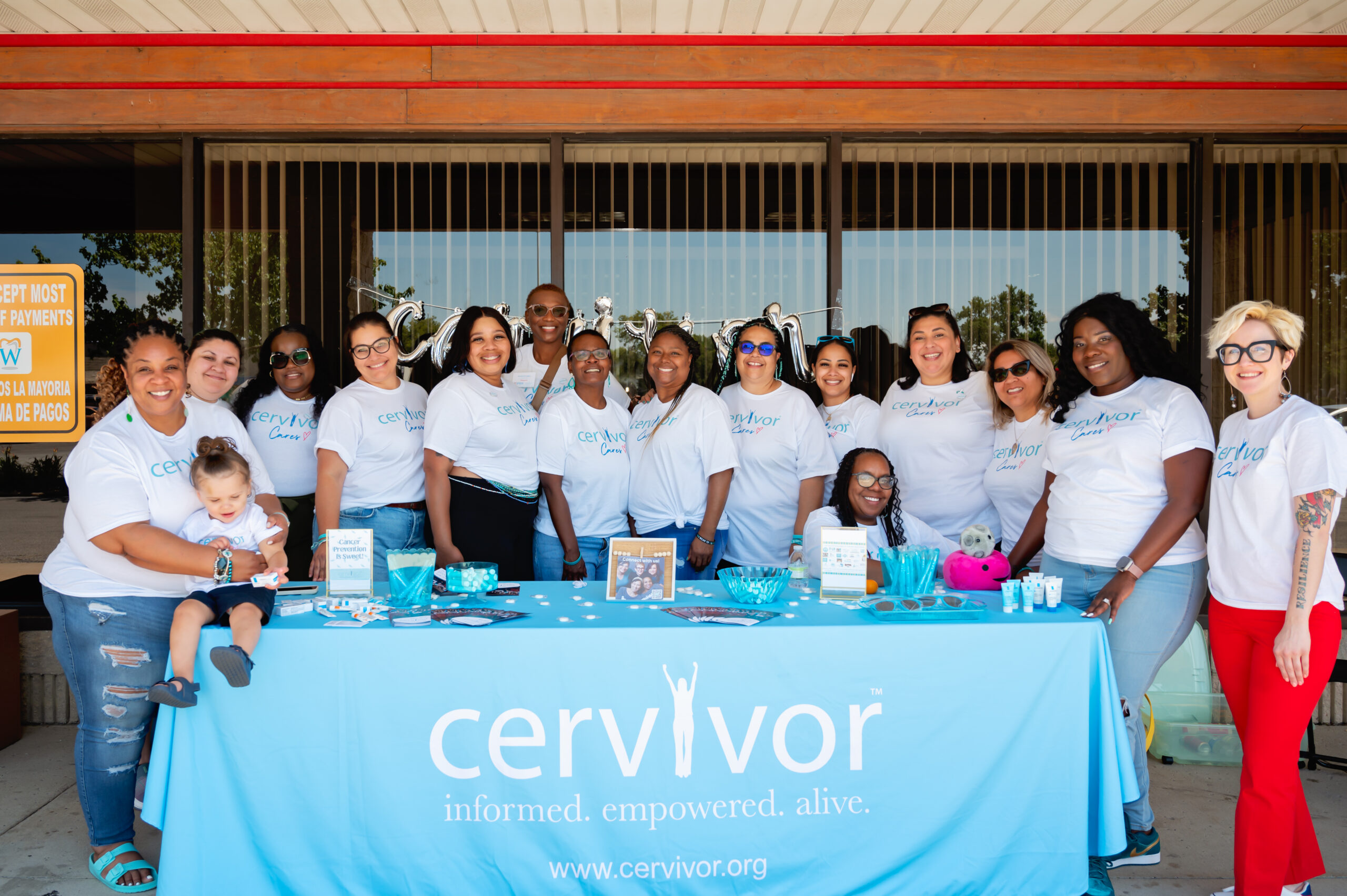
Trust is everything in underserved communities, and Tamika insists on meeting people where they are. “I go to those communities. If I don’t go myself, someone from my organization goes. We talk to them. We build trust,” she says.
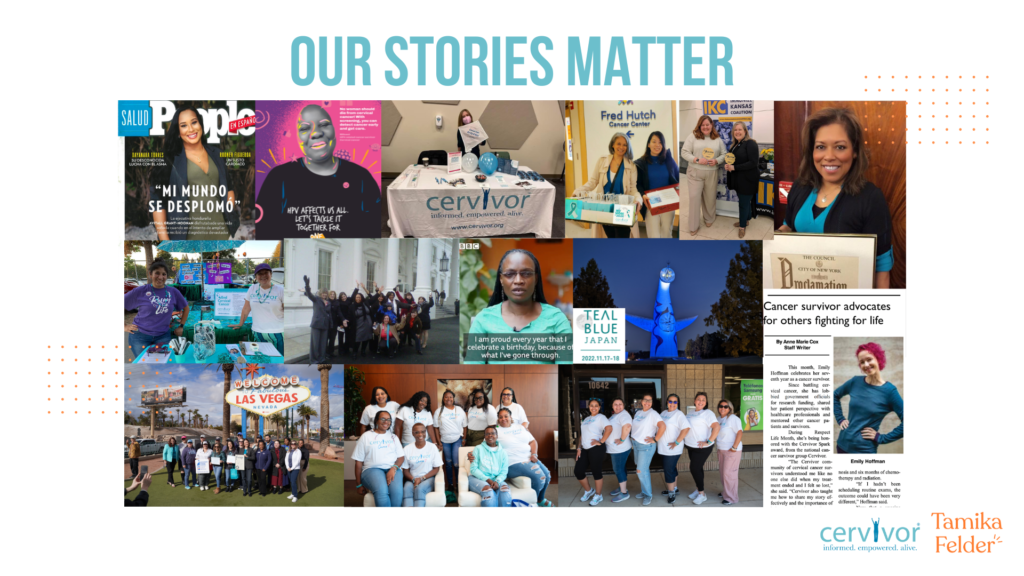
Representation plays a central role in Cervivor’s impact. Tamika works to ensure that photos, videos, and programs reflect diverse survivors. “I never want anyone not to see themselves,” she explains. “There’s something special to be said by connecting with people who’ve gone through what you’ve gone through.”
Resilience and Self-Care in Leadership
Running a nonprofit rooted in lived trauma is deeply personal work, and Tamika is candid about the toll. “There are points where it’s going to be really hard, but when you’re really committed to this work, you’ll find a way to keep going,” she says.
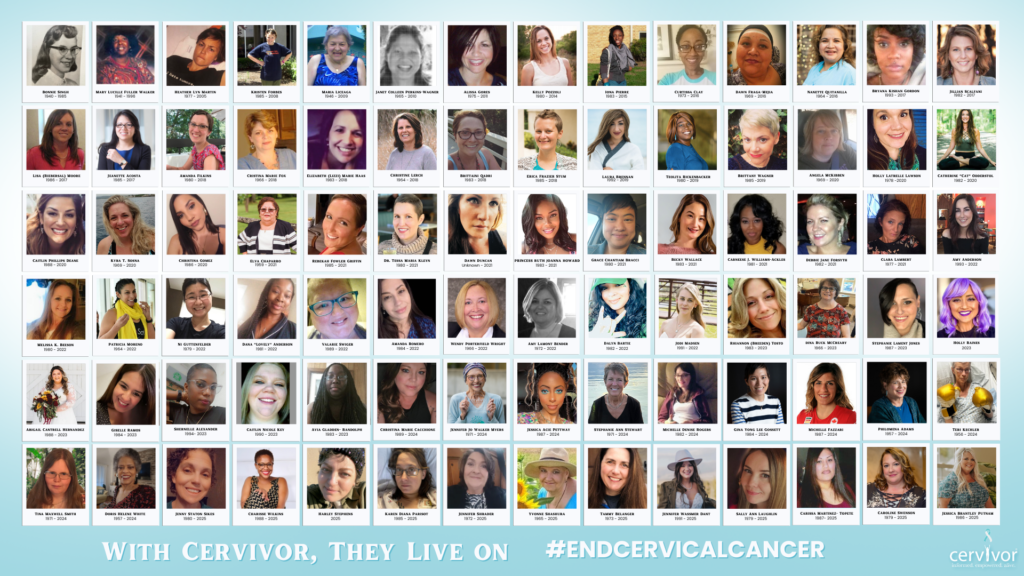
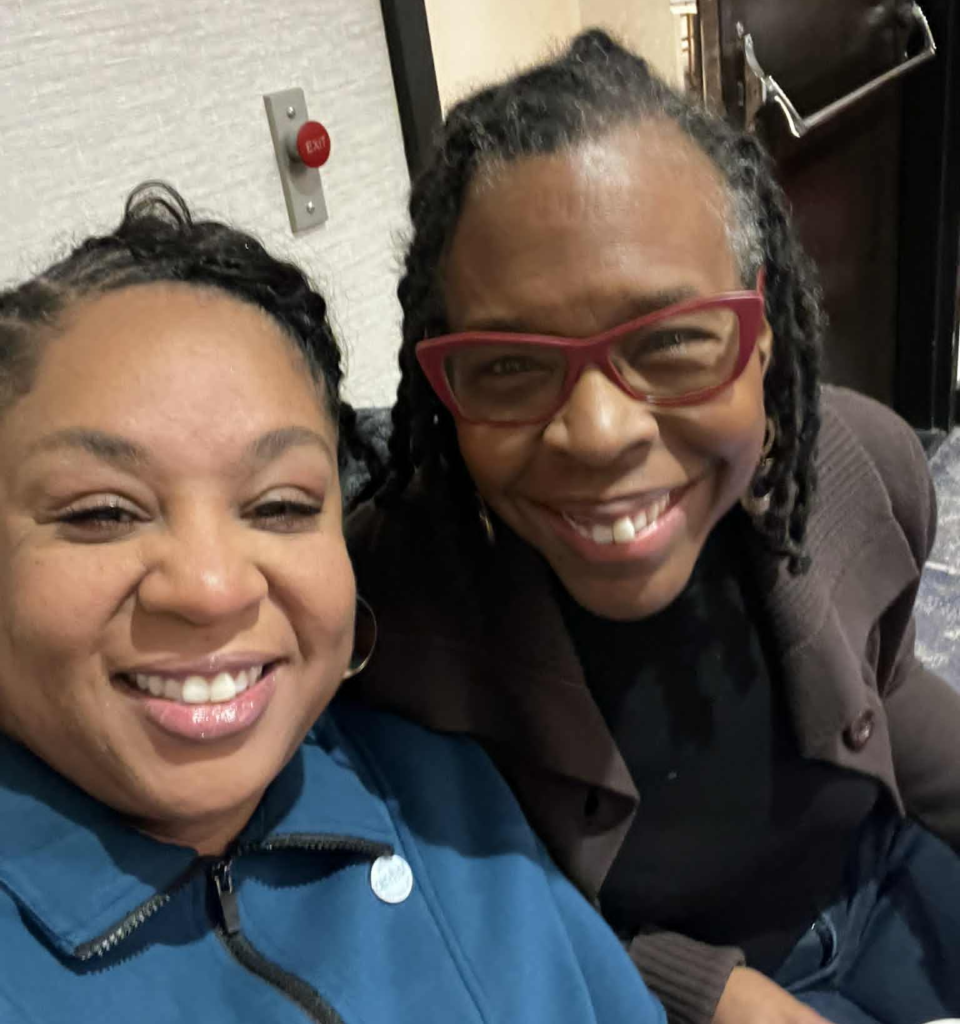
As a survivor herself, every death in the community is another wound. “It’s another person who’s died from a preventable disease, and so I have to really practice self-care around that,” she shares. Surrounding herself with other Black women nonprofit leaders helps her carry the weight. “It’s a very hard time, not only for nonprofits, but nonprofits run by Black women. Knowing that you’re not alone helps it be manageable.”
Standing Firm on Equity
Even as some organizations shy away from terms like “DEI” or “health equity” in response to political pressures, Tamika refuses to dilute Cervivor’s mission. “Just because we change and don’t call a thing a thing doesn’t mean that we don’t experience it,” she says. “We’ve already had a funder not fund us because of our Communities of Color retreat. And I’m not going to change the name of it. No one is going to die from cervical cancer on my watch.”
Her vision is clear: to leave behind a legacy of courage, visibility, and unrelenting advocacy.
A Legacy of Hope and Action
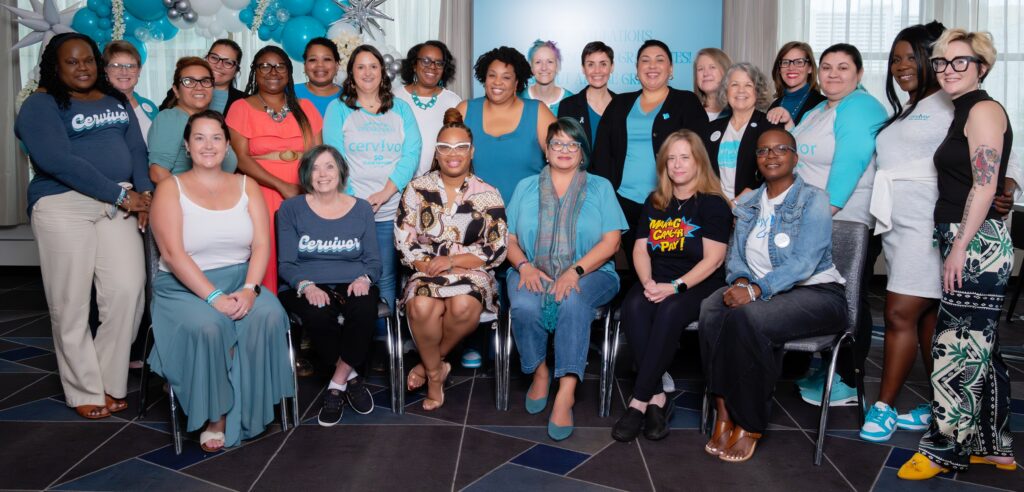
What began as one woman’s way to not feel alone has become a global movement of survivors, advocates, and educators. Tamika is proud of how Cervivor has connected patients, clinicians, community workers, and researchers. “We’ve inspired patients, educated clinicians, and shifted the narrative around cervical cancer,” she says.
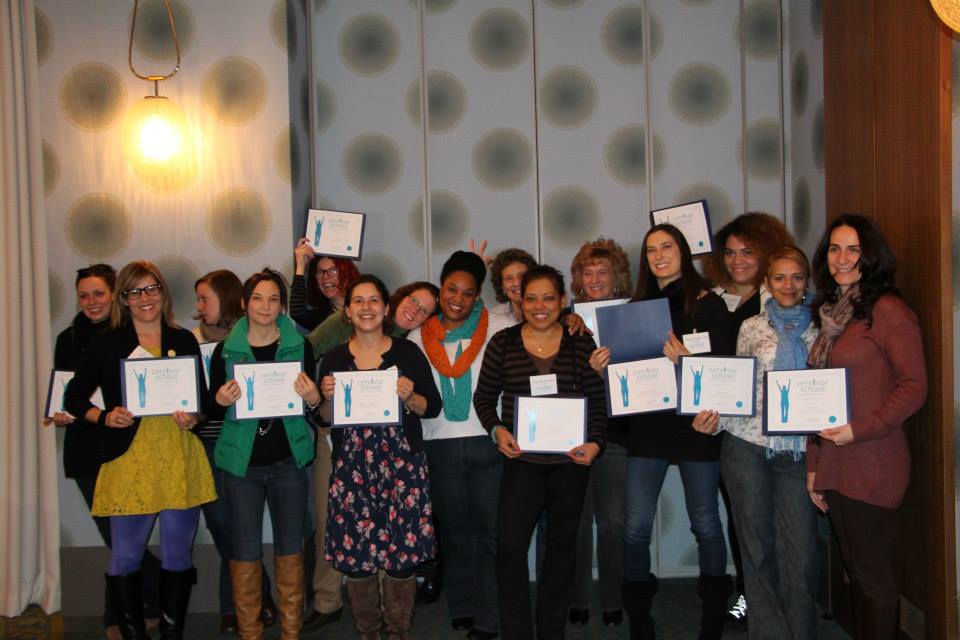

On Black Philanthropy Day, her journey reminds us that philanthropy is not just about giving money—it’s about giving voice, visibility, and leadership. Tamika embodies all three, leading with resilience and purpose to ensure that no one falls through the gaps in the fight against cervical cancer.
Support the Mission
This Black Philanthropy Month, we invite you to support Tamika’s vision and Cervivor’s mission to end cervical cancer through advocacy, education, and community. Here’s how you can take action:
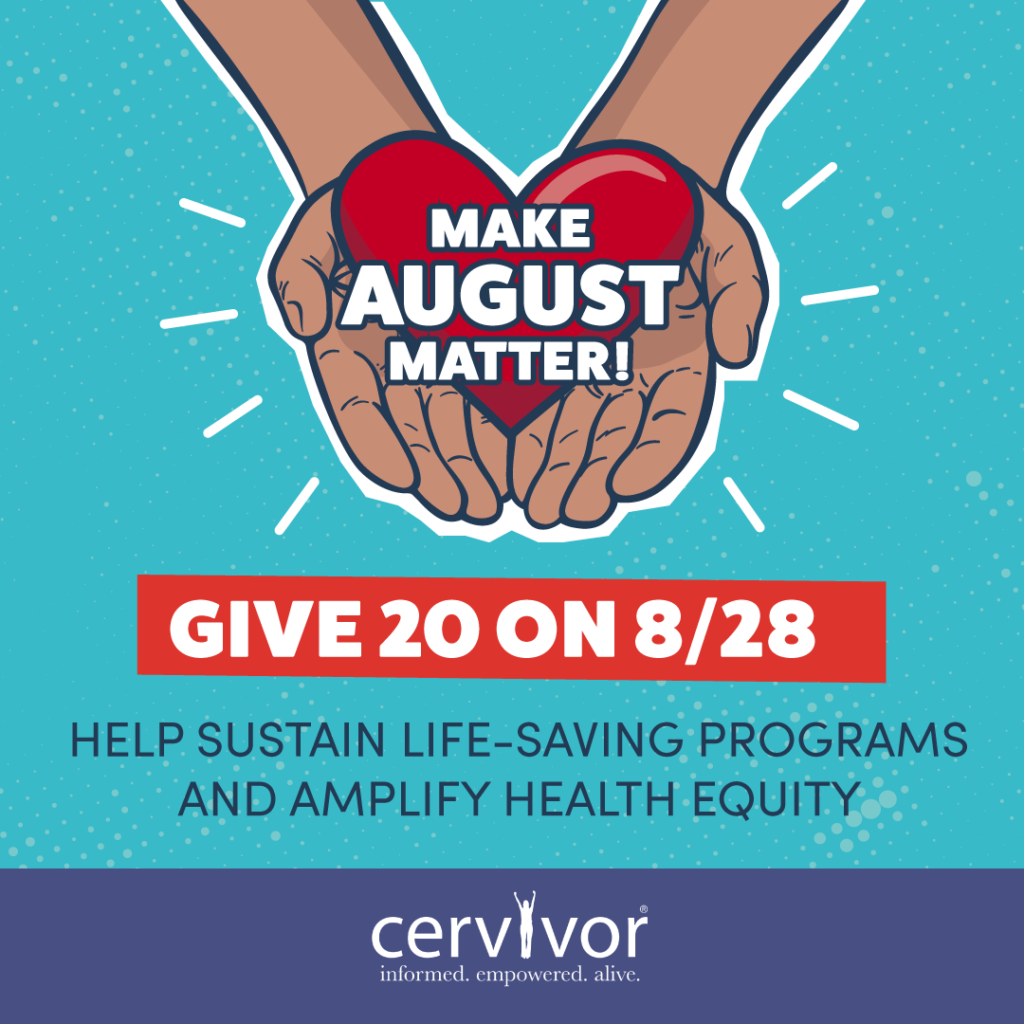
- Give $20 on 8/28: As part of Cervivor’s year-long Tell 20, Give 20 campaign, your $20 donation will directly support a Black-led nonprofit committed to health equity for all.
- Engage with Cervivor: Follow us on social media, share our posts, and help amplify the voices of cervical cancer survivors and advocates. Your engagement builds awareness, strengthens our community, and inspires action.
- Attend Cervivor Events: From Cervivor School and monthly virtual meetups to the next Cervical Cancer Summit—your presence makes a difference. Show up, speak out, and stand with us.